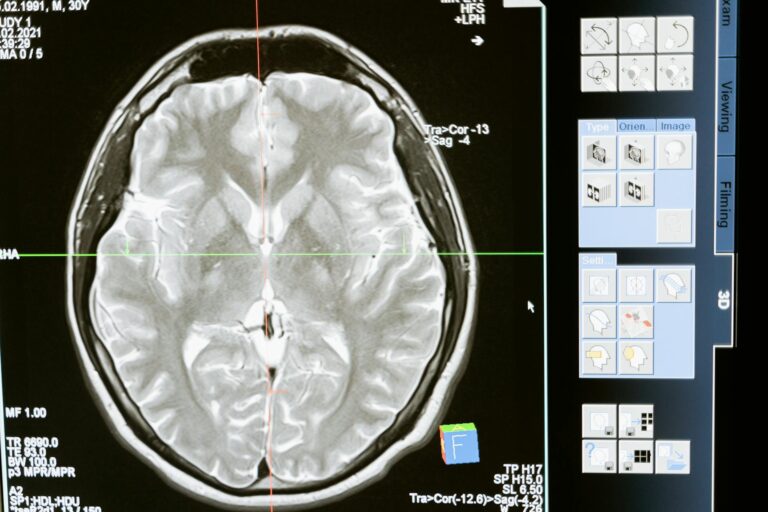
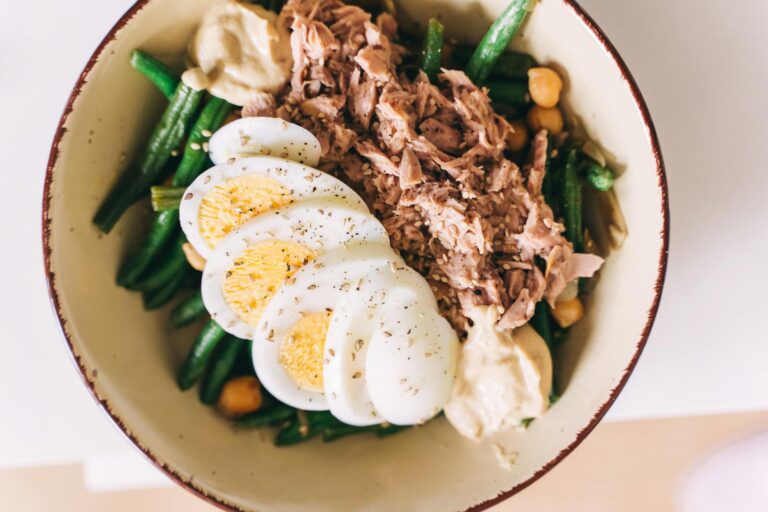
Anti-inflammatory eating patterns can support brain health by reducing inflammation and oxidative stress, which are linked to brain aging and cognitive decline. Research shows that diets rich in anti-inflammatory foods like leafy greens, berries, olive oil, nuts, and fatty fish help protect brain cells and may slow down processes that lead to diseases such as Alzheimer’s[1][4][5].
Inflammation in the brain can damage neurons and shrink brain volume over time. Studies using brain imaging have found that people who consume more inflammatory diets tend to have signs of brain shrinkage and faster aging. In contrast, those who follow anti-inflammatory diets, such as the Mediterranean or MIND diets, tend to have better brain structure and function. These diets emphasize foods high in antioxidants, fiber, healthy fats, and phytonutrients, which help calm harmful immune responses and reduce oxidative damage[1][4].
Key anti-inflammatory foods that benefit the brain include:
– Leafy greens like spinach and kale, which provide vitamins E, K, and folate that protect brain cells.
– Berries, rich in anthocyanins, plant compounds that reduce inflammation and support brain signaling.
– Nuts, which contain healthy fats and polyphenols that guard brain cells.
– Fatty fish such as salmon, a source of omega-3 fatty acids that reduce brain inflammation and support cell membranes.
– Olive oil, a monounsaturated fat that lowers oxidative stress.
These foods also promote a healthy gut microbiome, which communicates with the brain and influences mood and cognition[1][3][4][5].
Emerging research highlights the role of polyphenols—plant compounds found in foods like walnuts, green tea, and leafy greens—in slowing brain aging. Polyphenols have antioxidant and anti-inflammatory effects and may stimulate brain-derived neurotrophic factor (BDNF), a protein that supports neuron growth and synaptic connections, helping maintain cognitive function[6].
Avoiding or limiting processed meats, red meat, refined carbohydrates, added sugars, and highly processed snacks is also important, as these foods are linked to increased inflammation and higher dementia risk[1].
In summary, adopting an anti-inflammatory eating pattern that focuses on whole, plant-based foods, healthy fats, and nutrient-rich proteins can help protect the brain from inflammation-related damage, support cognitive health, and potentially delay neurodegenerative diseases.
Sources
https://beingpatient.com/anti-inflammatory-diet-brain-health-benefits/
https://www.clinicaladvisor.com/features/mediterranean-diet-alzheimer-disease/
https://www.brainandlife.org/articles/research-nuts-berries-support-brain-health-key-nutrients
https://pmc.ncbi.nlm.nih.gov/articles/PMC12610630/
https://www.nm.org/healthbeat/healthy-tips/nutrition/best-food-for-a-healthy-brain
https://www.prevention.com/food-nutrition/a69166153/green-mediterranean-diet-slows-brain-aging-study/