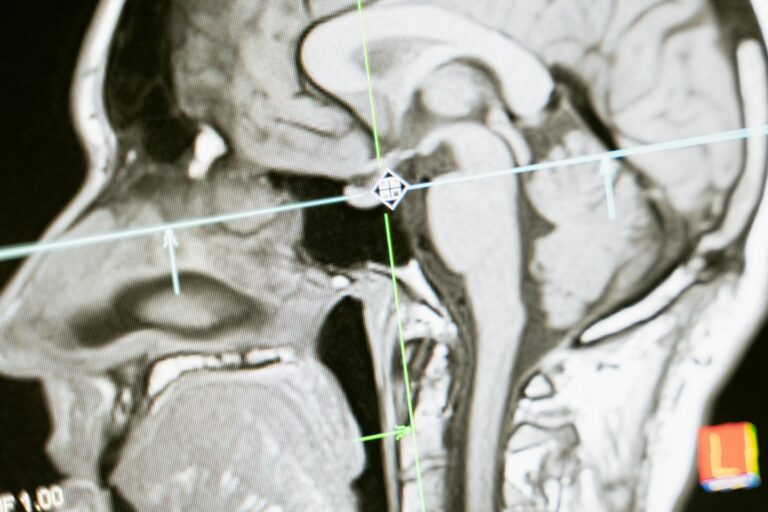
Brain-computer interfaces, or BCIs, are innovative technologies that allow people to control devices using only their brain signals. This technology has the potential to revolutionize how we interact with the world, especially for individuals with severe motor impairments or neurological conditions like dementia.
### How BCIs Work
BCIs capture brain activity through methods such as electroencephalography (EEG), which records signals from the scalp, or more invasive techniques like electrocorticography (ECoG), which involves implanting electrodes directly into the brain. These signals are then processed using advanced algorithms and machine learning models to translate them into commands for devices like computers or prosthetic limbs.
### Potential in Healthcare
In healthcare, BCIs are already making significant impacts. They help patients with paralysis control devices like wheelchairs or communicate through digital interfaces. BCIs also aid in neurorehabilitation by providing real-time feedback during physical therapy exercises, helping patients regain motor functions after injuries or strokes.
### Potential in Dementia
For dementia, BCIs could offer new avenues for diagnosis and treatment. By analyzing brain patterns associated with cognitive decline, BCIs might help identify early signs of dementia. Additionally, they could assist in developing personalized interventions by monitoring how brain activity changes over time. This could lead to more effective management of dementia symptoms.
### Challenges and Future Directions
While BCIs hold great promise, there are challenges to overcome. Ethical considerations, such as privacy and consent, are crucial. Technological advancements are needed to improve signal accuracy and user experience. As research continues, BCIs may become integral tools in managing and understanding dementia, offering hope for improved quality of life for those affected.
### Conclusion
Brain-computer interfaces represent a groundbreaking field that could transform the lives of individuals with neurological conditions. Their potential in dementia is vast, from early detection to personalized treatment strategies. As technology advances, BCIs may become a cornerstone in the fight against dementia, offering new paths for communication, diagnosis, and care.