A Story of Parkinson’s Disease and the Fear of Falling

Fear of falling isn't just a psychological concern for people with Parkinson's disease""it's a rational response to a genuine physical threat that affects...

Fear of falling isn't just a psychological concern for people with Parkinson's disease""it's a rational response to a genuine physical threat that affects...

Learning to live after losing stability requires accepting that movement will never be the same while developing new strategies to work with the body...
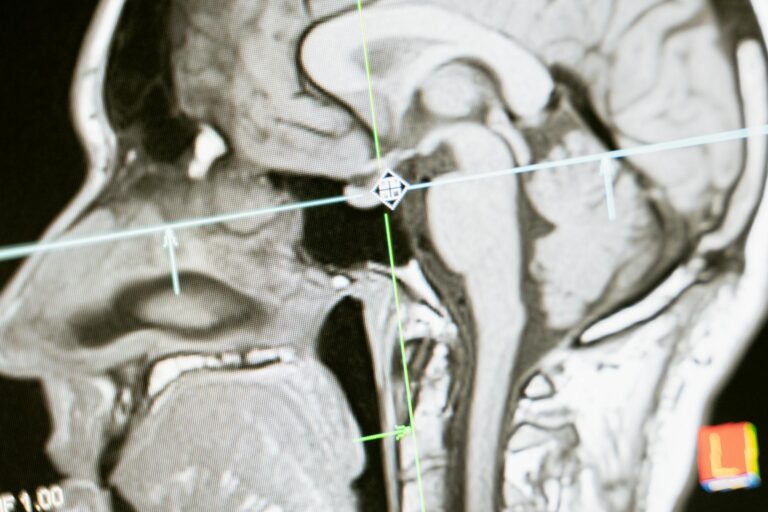
A Parkinson's disease diagnosis frequently becomes the starting point for a cycle of repeated hospitalizations that can dominate a patient's life and...

Parkinson's disease transforms walking from an automatic, unconscious act into a deliberate challenge fraught with danger.

Balance loss in Parkinson's disease is not simply a symptom that appears and stabilizes""it is a progressive challenge that often becomes the defining...

Parkinson's disease erodes independence through a slow, uneven progression that typically begins with subtle difficulties in everyday tasks before...

Living with Parkinson's disease after experiencing serious injuries requires a fundamentally different approach than managing PD alone.

When a person with Parkinson's disease experiences repeated falls over months or years, the cumulative damage to confidence, physical function, and...

Falls in Parkinson's disease are more severe than typical age-related falls because of a convergence of motor dysfunction, impaired protective reflexes,...

Parkinson's disease fundamentally alters how a person walks by slowing movement, shortening stride length, and disrupting the automatic coordination that...