How Video Calls Can Help or Confuse Dementia Patients
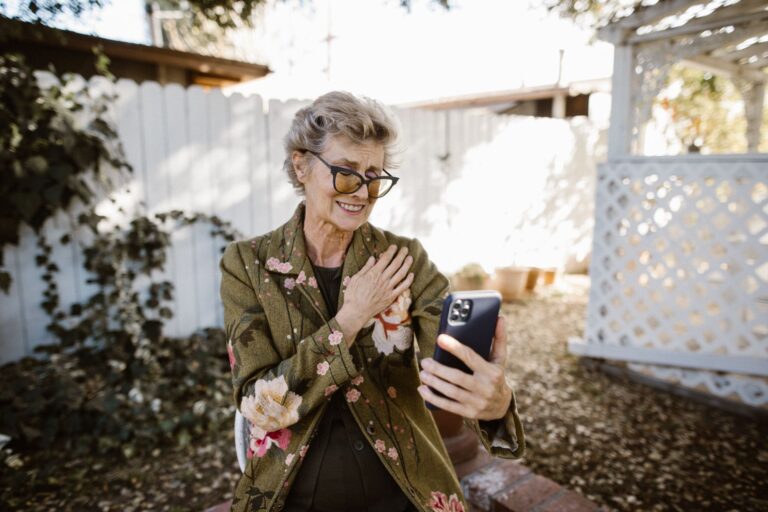
Video calls can strengthen bonds or deepen confusion for people with dementia—the outcome depends on the individual, their stage of illness, and how the call is set up.

Video calls can strengthen bonds or deepen confusion for people with dementia—the outcome depends on the individual, their stage of illness, and how the call is set up.
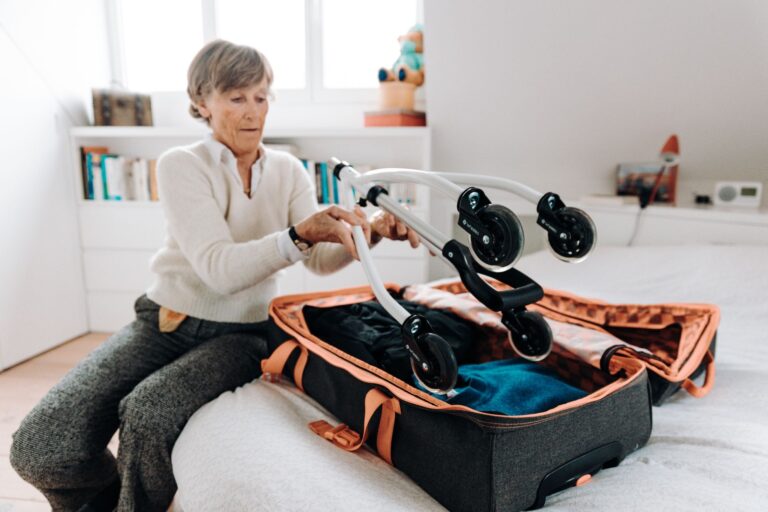
Smart home technology can help manage dementia care tasks and reduce caregiver burden, though research shows it works best alongside human support, not as a replacement.
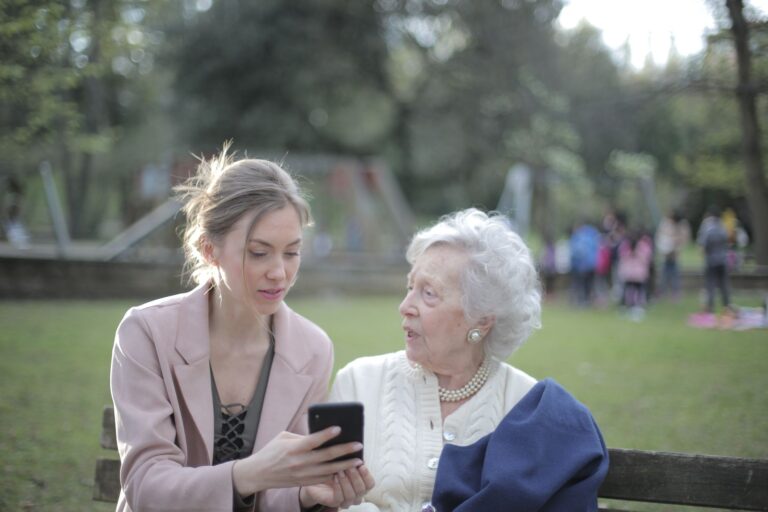
GPS trackers can locate a wandering person with dementia, but technology has real limits—and other strategies matter just as much.
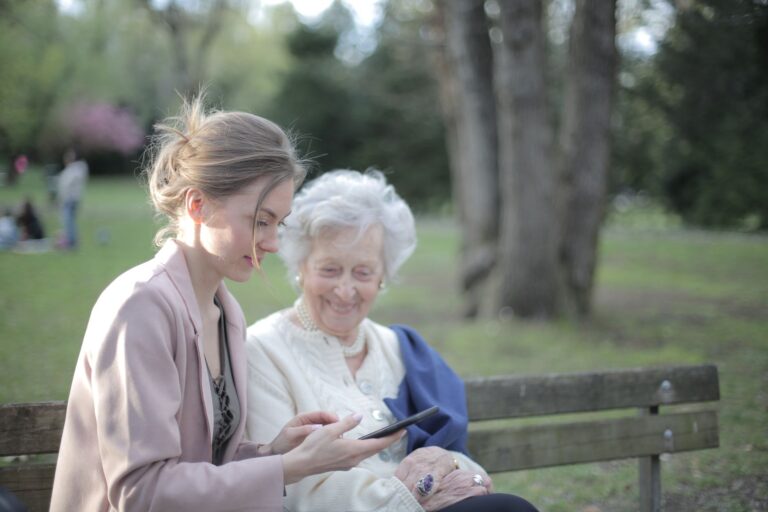
Technology's role in dementia care is helping people stay safer and less isolated—not replacing the human connection that matters most.
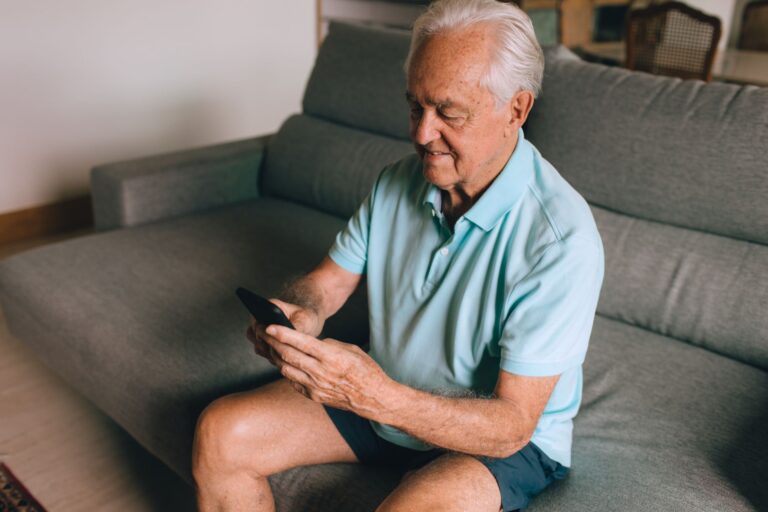
Families adopt dementia apps that solve one problem well, not platforms claiming to manage everything—and simplicity is why Medisafe and Caring Village actually stay on their phones.
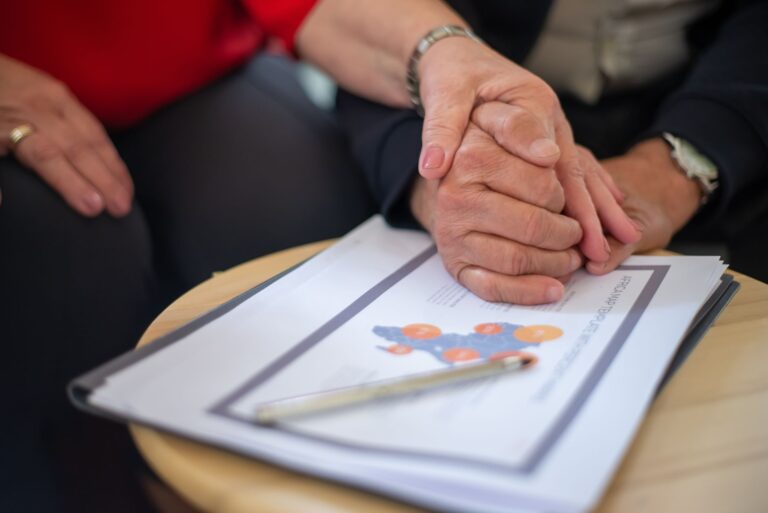
Written records of specific concerns protect your loved one and provide investigators with facts, not just complaints.

Dementia affects how rehab facilities can help—and whether your loved one will retain or safely use what they learn there.
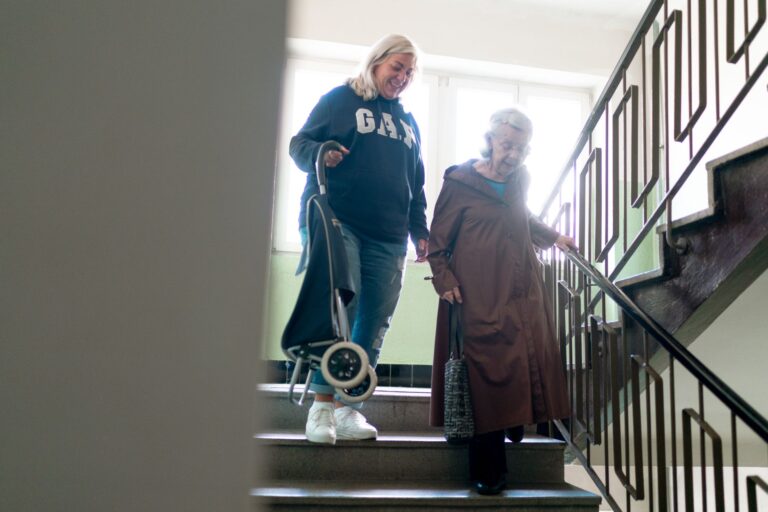
A person with dementia relies on consistency, routine, and environmental familiarity to function.

The most effective approach combines advance preparation with real-time communication tools: creating a detailed appointment summary card, arriving early...
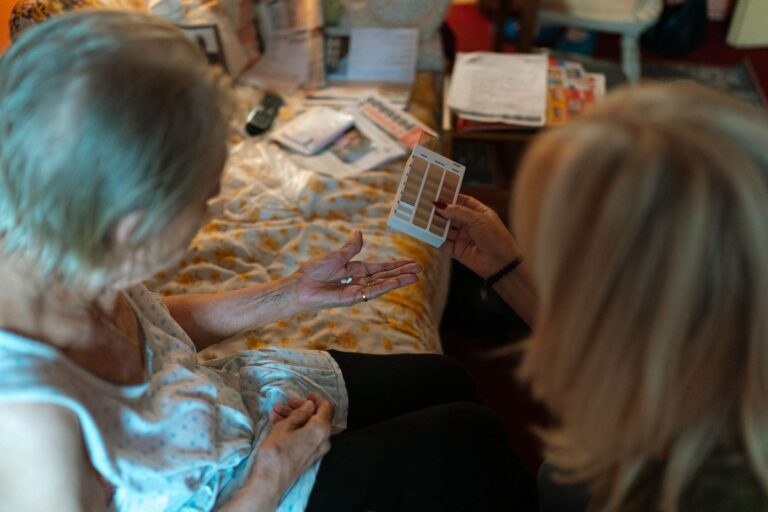
The first weeks after a dementia patient comes home demand close observation of medication compliance, nutrition, behavior, and hidden medical changes that can masquerade as disease progression.