Steve

Steve

Writing about Open Class Action Lawsuits and Dementia Science and Tips since 2019!

Can Antibiotics Affect Autism Symptoms?

Antibiotics can influence autism symptoms indirectly through their effects on the gut microbiome, which plays a crucial role in brain development and function. Repeated antibiotic use in early childhood has been linked to imbalances in gut bacteria, known as dysbiosis,…

What Is the Gut Microbiome Connection to Autism?

The gut microbiome connection to autism involves a complex relationship between the trillions of microorganisms living in the digestive tract and the neurological and behavioral characteristics seen in autism spectrum disorder (ASD). Research increasingly shows that children with autism often…

Does Vitamin D Deficiency Increase Autism Risk?

Vitamin D deficiency has been studied extensively to understand whether it increases the risk of autism spectrum disorder (ASD), a complex neurodevelopmental condition characterized by challenges in social interaction, communication, and behavior. While the exact causes of autism remain unclear,…

Can Omega-3 Fatty Acids Reduce Autism Symptoms?

Omega-3 fatty acids have gained considerable attention as a potential natural support for reducing symptoms associated with autism spectrum disorder (ASD). These essential fats, primarily found in fish oil, are crucial for brain development and function, and they possess anti-inflammatory…

Is There Evidence That Probiotics Help Autism?

There is growing evidence suggesting that probiotics may help individuals with autism spectrum disorder (ASD), particularly by influencing gut health and the gut-brain axis, which is increasingly recognized as important in neurodevelopment and behavior. Research indicates that children with autism…

What Are the Best Supplements for Autism?

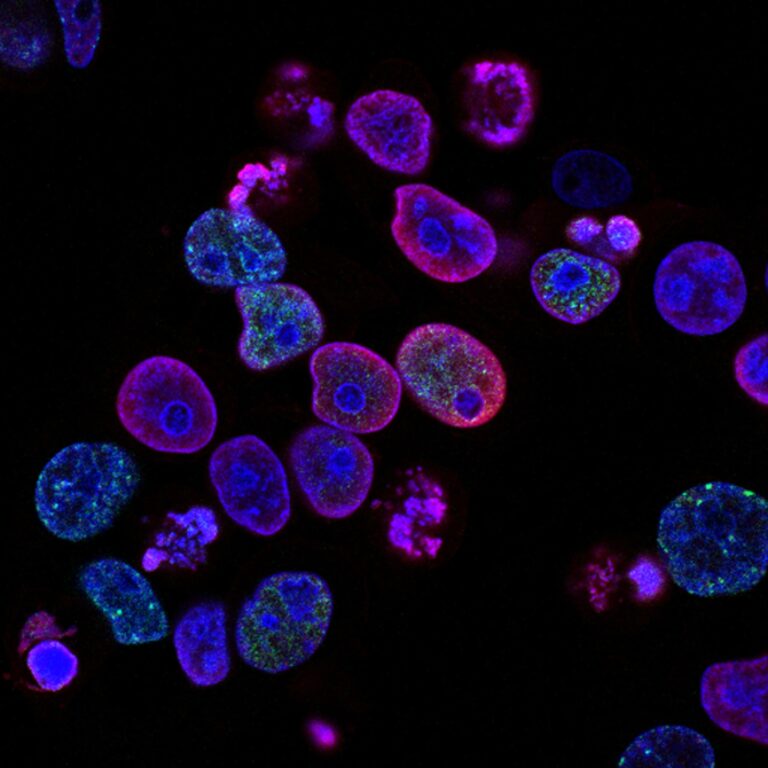
brain cells in dementia

When exploring supplements for autism, several options have shown promise in supporting various symptoms and overall well-being. The best supplements often target brain health, behavior regulation, communication skills, and digestive support. **Omega-3 Fatty Acids** are among the most commonly recommended…

Why Do Autistic Children Avoid Vegetables?

Autistic children often avoid vegetables due to a combination of sensory sensitivities, behavioral patterns, and anxiety related to eating. These factors interact in complex ways, making vegetables particularly challenging for many children on the autism spectrum. One of the main…

How Do Texture Sensitivities Affect Autism Diets?

Texture sensitivities play a significant role in shaping the diets of individuals with autism because many autistic people experience heightened or altered sensory processing, especially related to touch and mouthfeel. These sensitivities can profoundly influence what foods they are willing…

What Is Food Aversion in Autism?

Food aversion in autism refers to a strong dislike or refusal to eat certain foods, often linked to the unique sensory and neurological experiences of individuals on the autism spectrum. It is not simply picky eating but a complex challenge…