Steve

Steve

Writing about Open Class Action Lawsuits and Dementia Science and Tips since 2019!

Why your parent might be afraid to sleep alone
Many parents might feel afraid to sleep alone, and this fear can come from several understandable reasons. One common cause is **separation anxiety**, which isn’t just something children experience; adults can feel it too. For parents, especially those who have…

How to help a confused loved one without making it worse

Helping a confused loved one without making things worse requires patience, calmness, and understanding. When someone is confused—whether due to memory loss, illness, or sudden disorientation—their world feels uncertain and scary. Your role is to be a steady, reassuring presence.…

Why personal boundaries shift with memory loss

Personal boundaries are the invisible lines we draw to protect our emotional and physical space. They help us feel safe, respected, and in control of our interactions with others. But when someone experiences memory loss, these boundaries can shift in…

What GLP-1 research means for dementia treatment

GLP-1 receptor agonists (GLP-1 RAs) are a class of drugs originally developed to treat type 2 diabetes by helping regulate blood sugar. Recently, research has uncovered promising potential for these drugs in treating dementia, including Alzheimer’s disease. Studies show that…

How hallucinations evolve during Alzheimer’s progression

Hallucinations in Alzheimer’s disease tend to develop and change as the illness progresses through its stages. Early on, when memory loss and mild confusion begin, hallucinations are usually rare or absent. At this stage, people mainly struggle with short-term memory…

Why the brain resists new information as it ages

As we get older, our brains don’t take in new information as easily as they once did. This resistance to learning new things is tied to several natural changes happening inside the brain over time. One major factor is that…

How cognitive changes affect personal hygiene habits

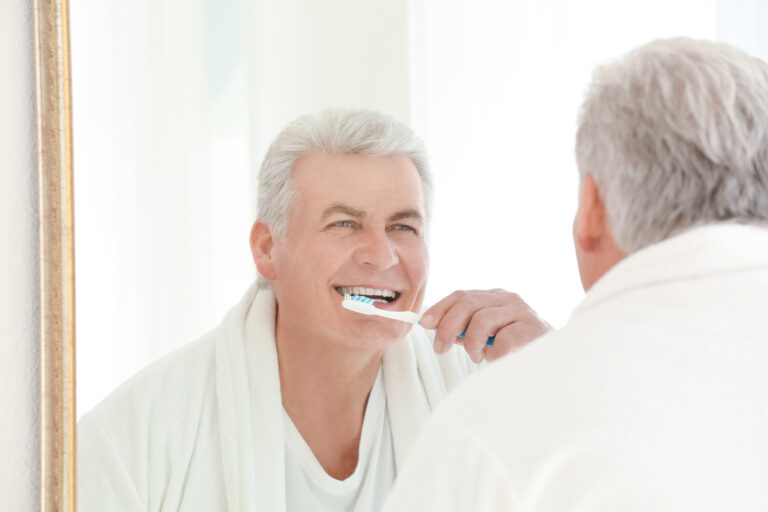
Cognitive changes can have a significant impact on personal hygiene habits because many hygiene tasks rely on memory, planning, and coordination. When the brain’s ability to manage these functions declines, even simple routines like showering or brushing teeth can become…

Why hallucinations are more vivid with certain medications

Hallucinations become more vivid with certain medications because these drugs affect how the brain processes sensory information and controls perception. Many medications that cause vivid hallucinations influence brain chemicals like serotonin, dopamine, or GABA, which play key roles in regulating…

What researchers believe about insulin’s role in memory

Researchers have been exploring insulin’s role beyond its well-known function in regulating blood sugar, discovering that it also plays an important part in memory and brain function. Insulin is not just a hormone for metabolism; it acts in the brain,…

How hormone-related brain fog differs from true cognitive decline

Hormone-related brain fog and true cognitive decline both affect thinking and memory, but they differ in causes, symptoms, and long-term impact. **Hormone-related brain fog** is a temporary state of mental cloudiness caused by hormonal imbalances. Hormones like thyroid hormones, estrogen,…