Steve

Steve

Writing about Open Class Action Lawsuits and Dementia Science and Tips since 2019!

What neurologists look for in cognitive imaging
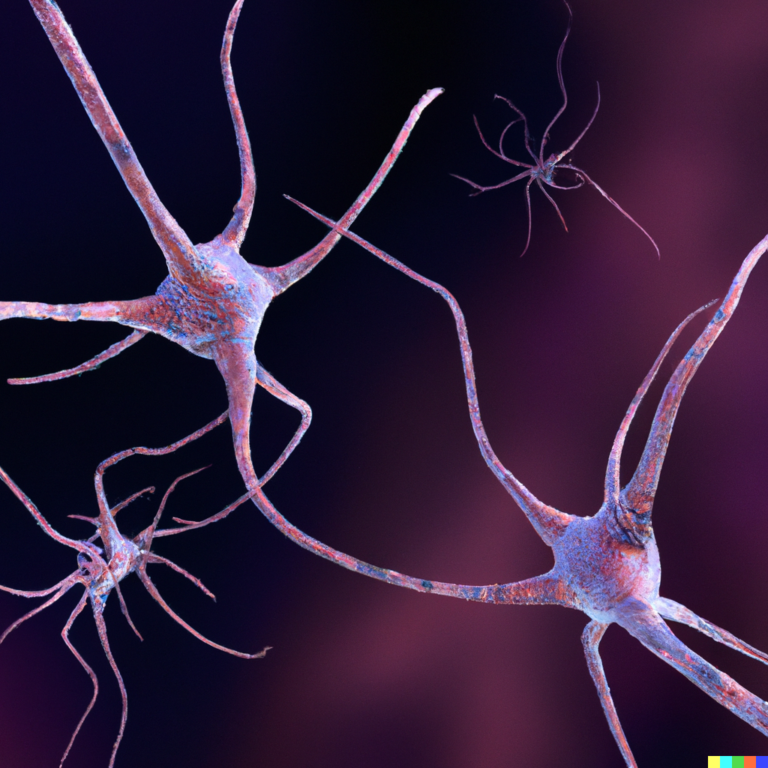
Neurologists use cognitive imaging to look closely at the brain’s structure and function to understand how well it is working, especially when there are concerns about memory, thinking, or behavior. When they examine cognitive imaging scans, such as MRI or…

Can diet really prevent Alzheimer’s

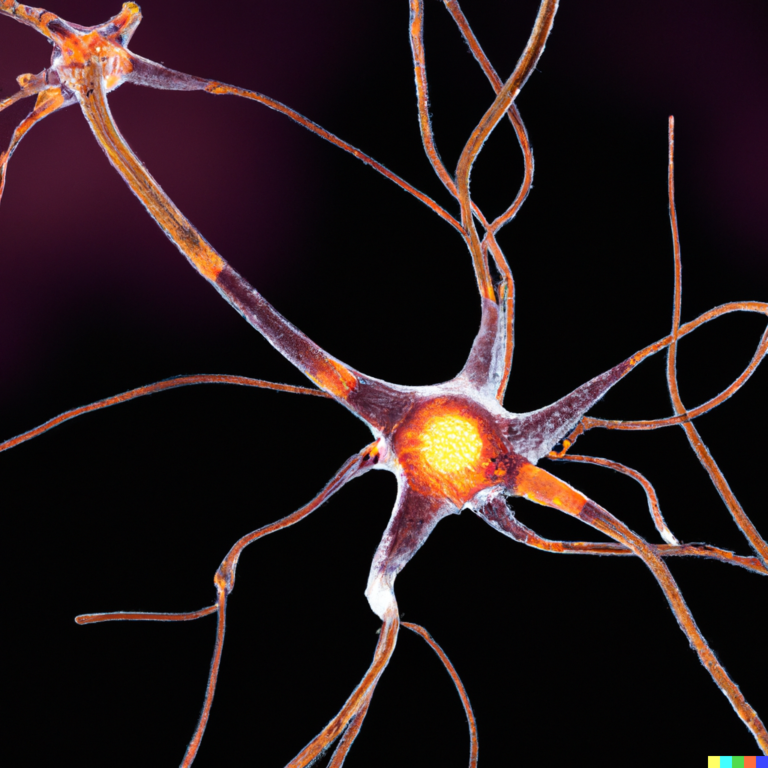
Can diet really prevent Alzheimer’s? While no diet can guarantee complete prevention, growing evidence suggests that what we eat plays a significant role in lowering the risk and slowing cognitive decline associated with Alzheimer’s disease. Certain nutrients appear especially important…

How Alzheimer’s affects dreaming and REM sleep

Alzheimer’s disease affects dreaming and REM sleep in significant ways. People with Alzheimer’s often experience changes in how quickly they enter REM sleep—the stage of sleep where most dreaming happens. Normally, after falling asleep, the brain moves into REM sleep…

How to create a quiet space for someone with dementia

Creating a quiet space for someone with dementia involves thoughtful attention to their unique needs, focusing on safety, comfort, and calmness. The goal is to design an environment that reduces confusion and anxiety while promoting a sense of security. Start…

Why common noises become unbearable in late-stage dementia

In late-stage dementia, common noises that most people barely notice can become overwhelming and unbearable. This happens because the brain, which is already struggling to process information, becomes even more sensitive to sounds. The parts of the brain responsible for…

What brain shrinkage feels like from the inside

Brain shrinkage, or the loss of brain volume, is not something you can directly feel like a pain or ache inside your head. Instead, what it feels like from the inside is more subtle and often described as a gradual…

How the brain changes during menopause

During menopause, the brain undergoes noticeable changes largely due to fluctuating and declining estrogen levels. Estrogen is a hormone that plays an important role not only in reproductive health but also in brain function. It affects areas involved in memory,…

The latest research connecting GLP-1 drugs and brain health

Recent research is revealing exciting connections between GLP-1 drugs—originally developed for diabetes and weight loss—and brain health. These drugs, such as semaglutide and tirzepatide, appear to offer protective effects against neurodegenerative diseases like dementia and Parkinson’s, as well as reducing…

Why dementia makes bedtime more unpredictable

Dementia makes bedtime more unpredictable because it disrupts the brain’s natural sleep-wake cycle and alters sleep patterns in several complex ways. People with dementia often experience fragmented sleep, meaning they wake up frequently during the night and have trouble staying…