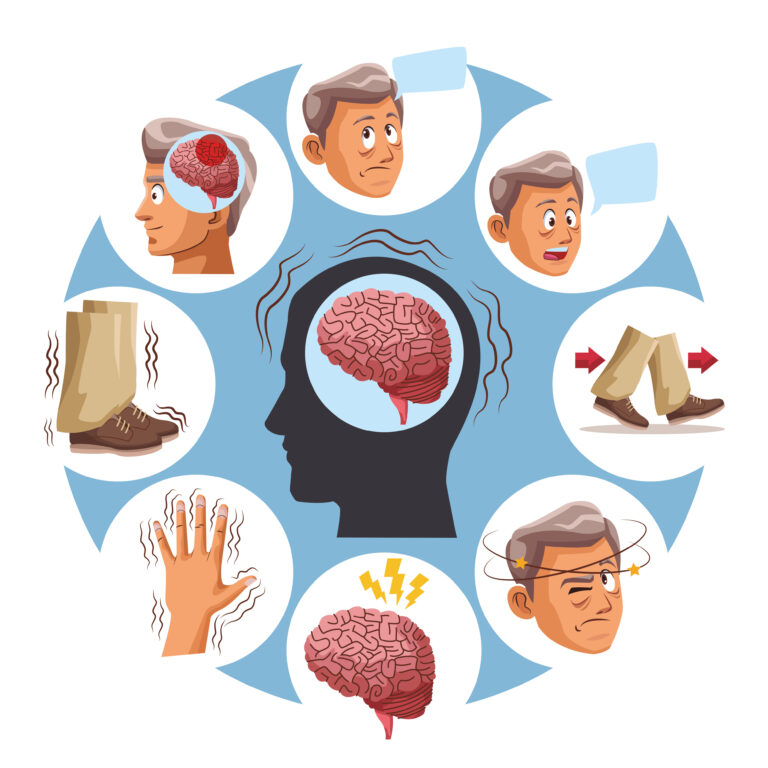
Depression is a common mental health condition that affects millions of people worldwide. It is characterized by feelings of sadness, hopelessness, and loss of interest in activities that were once enjoyable. While it can affect anyone, it is especially prevalent in the elderly population, particularly in those with dementia.
Dementia is a progressive decline in cognitive function that affects memory, thinking, and behavior. It is a condition that mainly affects older adults and can have a significant impact on their daily lives. Studies have shown that up to 40% of individuals with dementia also experience depression. This combination can make it challenging to diagnose and treat both conditions effectively. However, recognizing and treating depression in dementia patients is crucial for their overall well-being and quality of life.
Recognizing Depression in Dementia Patients
The symptoms of depression in dementia patients may differ from those in individuals without dementia. It can be challenging to differentiate between the symptoms of dementia and depression as they may overlap. However, some key signs may indicate that a person with dementia is also experiencing depression.
1. Changes in Behavior: Depressed individuals with dementia may display changes in their usual behavior. They may become more withdrawn and uncommunicative, lose interest in activities they once enjoyed, and become more irritable or agitated.
2. Changes in Mood: Individuals with depression may experience persistent feelings of sadness, hopelessness, and helplessness. They may also display frequent mood swings and have difficulty controlling their emotions.
3. Changes in Cognitive Function: Depression can also affect cognitive function in individuals with dementia, leading to difficulties in thinking, memory, and decision-making.
4. Physical Symptoms: Some physical symptoms that may occur in individuals with depression and dementia include changes in appetite, weight loss or gain, disturbed sleep patterns, and unexplained aches and pains.
It’s important to note that these symptoms may also be present in individuals with dementia alone. However, if they persist for more than two weeks and interfere significantly with daily functioning, it is essential to seek medical attention.
Treating Depression in Dementia Patients
The first step in treating depression in dementia patients is to get a proper diagnosis from a healthcare professional. The doctor will conduct a thorough physical examination and assess the individual’s medical history. They may also use standardized screening tools to evaluate the severity of the depression.
Treatment options for depression in dementia patients may include medication, therapy, and lifestyle changes.
1. Medication: Antidepressants may be prescribed to manage the symptoms of depression in individuals with dementia. However, it is crucial to take into consideration potential side effects and drug interactions, as individuals with dementia are often taking other medications.
2. Therapy: Talk therapy, such as cognitive-behavioral therapy (CBT), can be beneficial in managing depression symptoms. It involves identifying negative thoughts and behaviors and replacing them with more positive ones. Therapy can also help individuals with dementia learn coping strategies to manage their emotions better.
3. Lifestyle Changes: Engaging in physical activities, maintaining a healthy diet, and getting enough rest can have a positive impact on an individual’s overall well-being. Caregivers should encourage and assist individuals with dementia to participate in enjoyable activities that can boost their mood and promote social interaction.
It is also essential for caregivers to provide emotional support and a sense of safety to individuals with dementia and depression. A supportive and understanding environment can help them cope better with their condition.
In some cases, individuals with dementia may also have other underlying health conditions that contribute to depression. In such cases, treating the underlying condition may help alleviate the symptoms of depression.
Final Thoughts
Depression in dementia patients can be challenging to recognize and treat, but it is vital to address it for the individual’s well-being. With proper diagnosis, treatment, and support from caregivers, individuals with dementia can experience an improvement in their mood and overall quality of life. If you or a loved one is experiencing symptoms of depression and dementia, do not hesitate to seek help from a healthcare professional. Remember, with the right treatment and support, it is possible to manage both conditions effectively.