Depression and dementia are two common but complex conditions that affect millions of people around the world. While they may seem unrelated, recent research has shown that there is a strong link between depression and the risk of developing dementia later in life. This link is not fully understood, but scientists are continuously studying it to better understand its causes and potential preventive measures.
To begin with, let’s define what depression and dementia are. Depression is a mental health disorder characterized by feelings of sadness, hopelessness, and disinterest in daily activities. It can affect a person’s thoughts, feelings, and behavior, leading to a decreased quality of life. On the other hand, dementia is a term used to describe a decline in mental ability severe enough to interfere with daily life. It is a progressive condition that affects memory, thinking, and behavior, and is often associated with aging.
The Connection between Depression and Dementia
According to a study published in JAMA Psychiatry, individuals with depression have a 50% higher risk of developing dementia compared to those without depression. This finding suggests that depression may be a risk factor for dementia in later life. But what is the link between these two conditions?
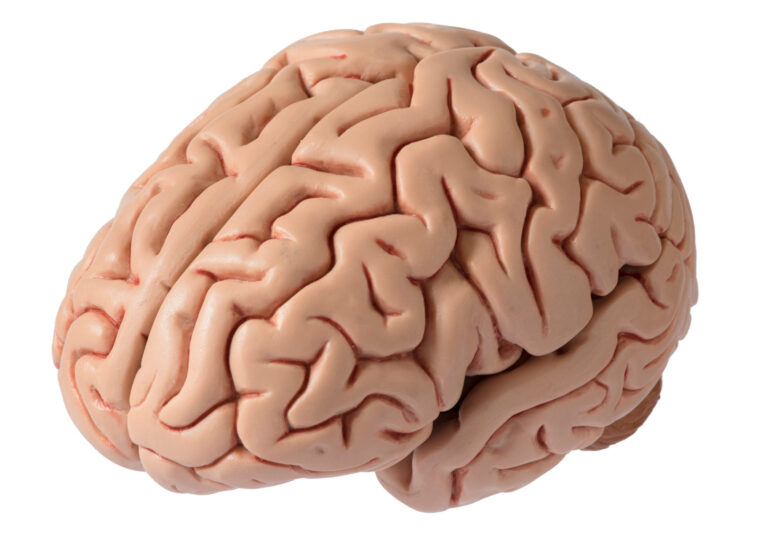
One possible explanation is that depression causes changes in the brain that increase the risk of developing dementia. Chronic stress, a common symptom of depression, can lead to inflammation and shrinkage of the hippocampus – the area of the brain responsible for memory and learning. This can cause cognitive impairment, which is a major characteristic of dementia.
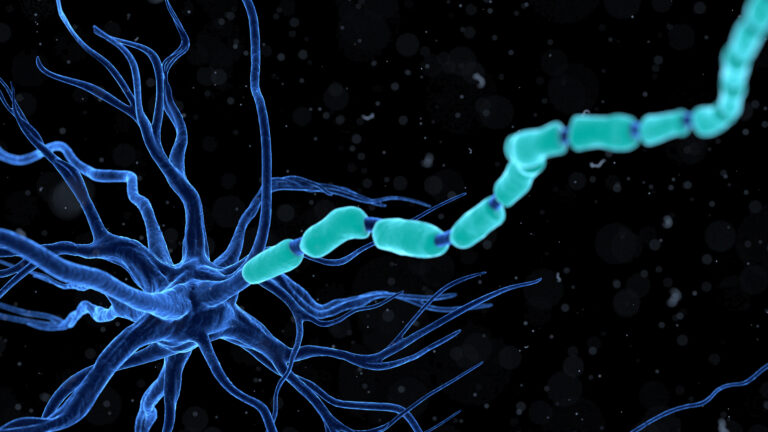
Moreover, depression may also lead to unhealthy behaviors such as smoking, lack of exercise, and poor diet, which are all risk factors for dementia. Additionally, people with depression may have lower levels of brain-derived neurotrophic factor (BDNF), a protein that helps promote the growth and survival of nerve cells in the brain. Low levels of BDNF have been linked to an increased risk of Alzheimer’s disease, the most common form of dementia.
On the other hand, some studies suggest that the link between depression and dementia may be due to shared genetic factors. People with a family history of depression may also have a higher risk of developing dementia due to genetic predisposition.
Preventive Measures
While the exact cause of the link between depression and dementia is still unclear, there are steps that can be taken to potentially reduce the risk of developing these conditions.
One of the most important factors is maintaining good mental health. This includes seeking treatment for depression and managing stress levels. Cognitive-behavioral therapy (CBT) and antidepressant medication have been shown to be effective in treating depression and reducing its impact on brain function.
In addition, adopting a healthy lifestyle can also help reduce the risk of both depression and dementia. This includes regular exercise, a balanced diet, and avoiding smoking and excessive alcohol consumption. These lifestyle choices have been linked to improved brain function and a decreased risk of cognitive decline.
Furthermore, staying socially active and engaged can also be beneficial. Studies have shown that social isolation can increase the risk of depression and dementia. By participating in social activities, individuals can maintain a sense of purpose and improve overall well-being.
Final Thoughts
The link between depression and dementia is a complex and ongoing area of research. While there is no definitive answer yet, it is clear that depression plays a role in increasing the risk of dementia later in life. By recognizing the link between these two conditions, individuals can take steps to manage their mental health and potentially reduce their risk of developing dementia.
If you or a loved one are experiencing symptoms of depression or know someone who is, it is important to seek help from a mental health professional. It is also crucial to maintain a healthy lifestyle and social connections to potentially lower the risk of developing dementia. With further research and understanding, we can work towards finding ways to prevent or delay the onset of these conditions and improve the overall quality of life for those affected.