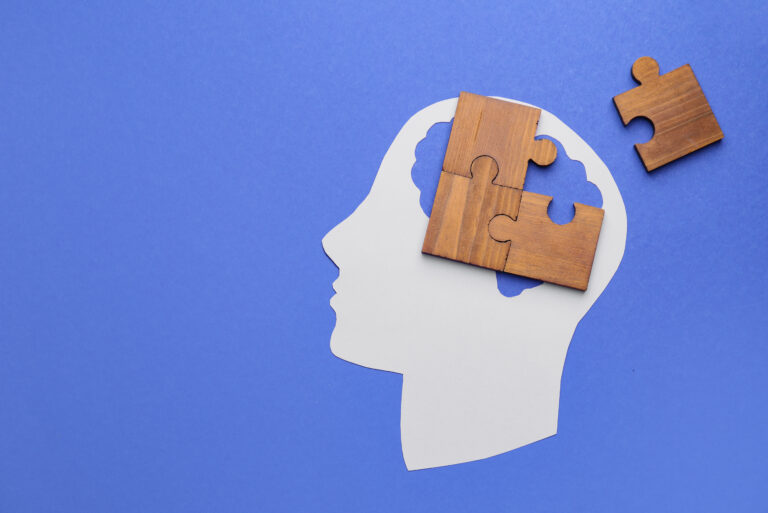
Social isolation does appear to speed up memory and thinking problems for many people, especially in later life, and large studies suggest it can raise the risk of dementia over time.
What is social isolation?
Social isolation means having very little contact with other people. It is about what you do, not just how you feel. Researchers measure it by things like:
– How often you see or talk with friends or family
– Whether you belong to groups, clubs, or religious communities
– How involved you are in your neighborhood or community
This is different from loneliness. Loneliness is a feeling of being alone or not understood, even if you are surrounded by people. Someone can be socially isolated but not feel lonely, or feel very lonely while still seeing others often.
Why scientists think isolation affects memory
Several large research projects have followed thousands of older adults for many years. A team from the University of St Andrews and other institutions looked at more than 30,000 people in the US and over 137,000 cognitive tests collected between 2004 and 2018. They found that higher levels of social isolation predicted faster cognitive decline in later life, even after accounting for age, education, and health conditions, and even when people did not say they felt lonely.[1] A summary of this work is described by Medical Xpress at https://medicalxpress.com/news/2025-12-social-isolation-brain-life.html[1]
The study reported that reducing social isolation has a protective effect on cognitive function across different groups, including men and women and people of different races, ethnicities, and education levels.[1] An overview of this and related research from the Alzheimer’s Foundation of America notes that greater social isolation was consistently linked to faster decline in thinking and memory skills as people aged.[2] See https://www.alzinfo.org/articles/prevention/social-interaction-may-be-key-to-keeping-the-brain-young/[2]
In another long running project from Sydney, Australia, researchers tracked 851 adults aged 70 and older for 12 years. They measured “social frailty,” which reflects how vulnerable a person is to losing social contact and support. Older adults categorized as socially frail were about 47 percent more likely to develop Alzheimer’s disease or another dementia than their more socially connected peers, even after adjusting for other health issues.[2] This work is also described in the same Alzheimer’s Foundation report.[2]
A broader review of dementia care and psychosocial factors in 2025 again lists social isolation as a risk factor for developing Alzheimer’s disease and related dementias, including in communities with language and cultural barriers.[8] The PubMed record is available at https://pubmed.ncbi.nlm.nih.gov/41447168/[8]
How isolation might speed up memory decline
Researchers are still working to fully understand why social isolation harms memory, but several mechanisms are likely involved.
1. Less mental stimulation
When you talk with others, remember details from conversations, plan activities, or play games, your brain must work in complex ways. These social activities challenge attention, language, and memory. Neuropsychologists emphasize that isolation often means less of this “brain exercise,” while regular social engagement keeps neural networks active.[3] A practical overview is given at https://neuropsychologyllc.com/why-social-connection-matters-for-brain-health-dementia/[3]
2. Stress and mood problems
Chronic isolation and loneliness can increase stress hormones and raise the risk of depression and anxiety.[3][6] Over time, high stress and untreated depression are linked to changes in brain areas responsible for learning and memory, such as the hippocampus. A Chilean study of older adults during and after the COVID‑19 pandemic found that social isolation and loneliness were closely related to depressive symptoms, highlighting how emotional health and isolation are tied together.[6] The article from Frontiers in Psychology is described at https://www.frontiersin.org/journals/psychology/articles/10.3389/fpsyg.2025.1683933/full[6]
3. Health behaviors and medical care
People who are isolated often have less support to:
– Keep medical appointments
– Manage medications
– Stay physically active
– Eat well or limit alcohol and smoking
This can worsen conditions such as high blood pressure, diabetes, and sleep problems, all of which affect brain health and dementia risk.[2][3][7] Reviews on lifestyle and brain health point out that poor sleep, inactivity, and other risky habits are linked to weaker memory performance and higher dementia risk in the long term.[7] See the discussion of lifestyle and cognition at https://journals.sagepub.com/doi/10.1177/15598276251411888[7]
4. Biological changes in the brain
Emerging work suggests that social isolation can influence brain structure and function directly. Some studies show that isolated individuals display changes in brain regions tied to memory and social processing, and may show higher levels of inflammation and vascular risk factors, which are known contributors to dementia.[1][5][8] For example, a public health review notes that future research is focusing on how social isolation might mediate cognitive decline across racial and ethnic groups, hinting at biological as well as social pathways.[5] The PubMed overview can be found at https://pubmed.ncbi.nlm.nih.gov/41434859/[5]
Is isolation harmful even if you do not feel lonely?
One important finding from the St Andrews study is that objective isolation predicted faster cognitive decline regardless of whether people reported feeling lonely.[1][2] In other words, the number and quality of social contacts matter for brain health even among people who say they are comfortable spending a lot of time alone.
At the same time, some research suggests the relationship is complex. For example, an analysis in the journal Innovation in Aging found that older adults with persistent subjective