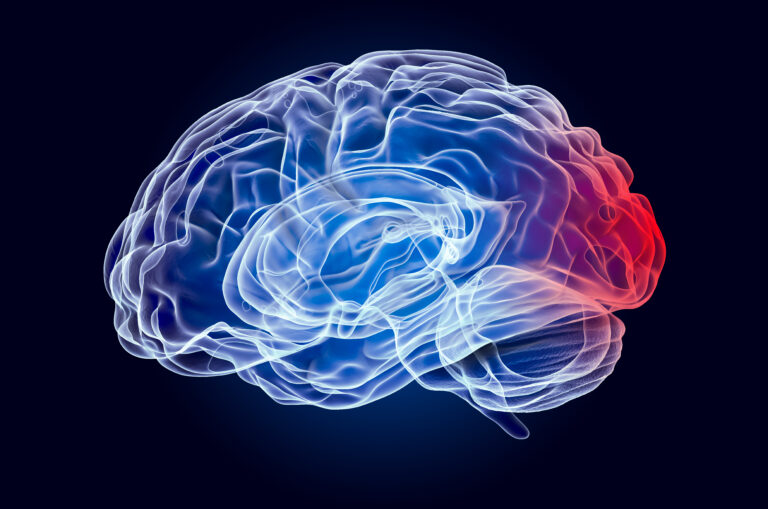
Is oxygen deprivation a leading cause of cerebral palsy?
Cerebral palsy is a group of disorders that affect a person’s ability to move and keep their balance. It often starts in early childhood and comes from damage to parts of the brain that control movement. One major way this brain damage happens is through oxygen deprivation, especially around the time of birth. When a baby does not get enough oxygen, it can lead to a condition called hypoxic ischemic encephalopathy, or HIE. HIE harms key brain areas like the cerebral cortex, cerebellum, and basal ganglia. Medical experts note that HIE is the leading cause of cerebral palsy.https://www.nationalbirthinjurylaw.com/what-causes-cerebral-palsy
Oxygen reaches the baby in the womb through the mother’s placenta and the umbilical cord. During birth, problems like a compressed cord, placental issues, or long labor can cut off this supply. This is known as birth asphyxia. It causes low oxygen levels, or hypoxia, in the baby’s tissues. Without oxygen, brain cells start to die within minutes. Even short periods without oxygen or blood flow can cause lasting harm. HIE from this often leads to a cerebral palsy diagnosis later.https://www.nationalbirthinjurylaw.com/what-causes-cerebral-palsyhttps://www.mannarinoandbrasfield.com/blog/what-is-hypoxic-ischemic-encephalopathy
Doctors spot oxygen issues by watching the baby’s heart rate. Signs include slow heartbeats or little movement. Quick action is key, but delays can worsen the damage. Birth injuries from oxygen loss rank among the top causes of cerebral palsy. Other effects include seizures, learning problems, and motor skill challenges.https://www.sokolovelaw.com/birth-injuries/causes/https://www.rwkgoodman.com/injury/birth-injury-claims/cerebral-palsy-claims/cerebral-palsy-guide-causes-symptoms-legal/
The brain needs a steady flow of oxygen and glucose to work. It has little stored energy, so any drop in blood oxygen or flow starves the cells. This can happen from heart or breathing failure, or other events like near-drowning, though birth-related cases are common in kids. In severe HIE, brain swelling and cell death follow, hitting deep brain areas hard.https://now.aapmr.org/pediatric-anoxic-brain-injury/
Not every baby with oxygen loss gets cerebral palsy. Factors like genes may play a role. For example, certain changes in the MMP2 gene raise the risk after birth asphyxia. Still, oxygen deprivation stands out as a key trigger, often linked to medical errors that could have been avoided.https://pmc.ncbi.nlm.nih.gov/articles/PMC12731818/https://www.cuminggillespie.com/blog/medical-malpractice/faqs-about-hypoxic-ischemic-encephalopathy-hie/
Sources
https://www.nationalbirthinjurylaw.com/what-causes-cerebral-palsy
https://now.aapmr.org/pediatric-anoxic-brain-injury/
https://www.mannarinoandbrasfield.com/blog/what-is-hypoxic-ischemic-encephalopathy
https://www.rwkgoodman.com/injury/birth-injury-claims/cerebral-palsy-claims/cerebral-palsy-guide-causes-symptoms-legal/
https://www.sokolovelaw.com/birth-injuries/causes/
https://pmc.ncbi.nlm.nih.gov/articles/PMC12731818/
https://www.cuminggillespie.com/blog/medical-malpractice/faqs-about-hypoxic-ischemic-encephalopathy-hie/