Brain Changes That Cause Memory Loss
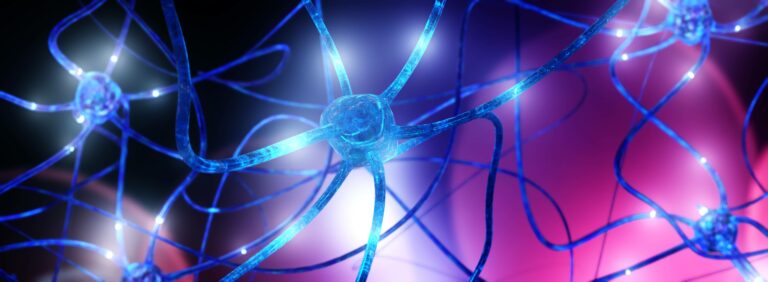
Memory loss happens when parts of the brain change in ways that make it hard to remember things. These changes can come from normal aging, but often they signal bigger problems like dementia. The brain has billions of cells called neurons that send signals to store and recall memories. When something goes wrong with these cells or the spaces around them, memory starts to fade.
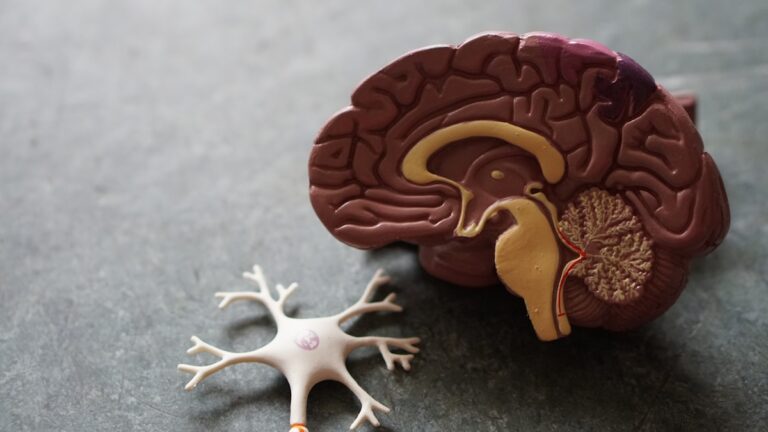
One main cause is Alzheimer’s disease, the most common type of dementia. In Alzheimer’s, sticky clumps called amyloid plaques build up outside neurons, and twisted fibers called neurofibrillary tangles form inside them. These plaques and tangles come from abnormal proteins like amyloid beta and tau. They block brain cells from working right, cause swelling, and kill off connections between neurons. Over time, whole areas of the brain shrink, especially those handling memory, like the hippocampus. This leads to forgetting recent events first, then older ones.
Another issue is enlarged perivascular spaces, tiny channels that clear waste from the brain. When these get clogged, harmful proteins like beta amyloid and tau pile up. Studies show these blockages appear on MRI scans in people with early memory problems, even before full dementia sets in. They act like warning signs for Alzheimer’s or vascular dementia, where poor blood flow starves brain cells.
Fronto-temporal dementia hits different brain spots. Abnormal proteins build up in the frontal and temporal lobes, killing neurons there. This affects behavior, language, and memory, but starts more with personality shifts than pure forgetting.
Lewy body dementia involves clumps of alpha-synuclein protein inside neurons. These Lewy bodies mess with attention, cause hallucinations, and lead to memory loss that comes and goes.
Not all memory loss means dementia. Mild cognitive impairment is an early stage where forgetting appointments or conversations happens more often, but daily life goes on. It can stem from treatable things like depression, thyroid issues, bad drug mixes, or even poor vision and hearing, which starve the brain of input needed for strong memory links. Vascular problems, like blocked blood vessels, also cut off oxygen to brain cells, causing decline.
In all these cases, neurons die, synapses vanish, and brain regions atrophy. Inflammation, stress on cells, and faulty waste removal speed it up. Early detection through scans or blood tests for proteins can spot changes before symptoms worsen.
Sources
https://en.wikipedia.org/wiki/Alzheimer%27s_disease
https://parisbraininstitute.org/dementia
https://www.aarp.org/health/conditions-treatments/what-is-mild-cognitive-impairment/
https://www.sciencedaily.com/releases/2025/12/251228020016.htm
https://nyneurologists.com/services/memory-problems
https://www.alzheimers.org.uk/about-dementia/worried-about-memory-problems/do-i-have-dementia-signs
https://www.dignityhealth.org/conditions-and-treatments/neurology/dementia