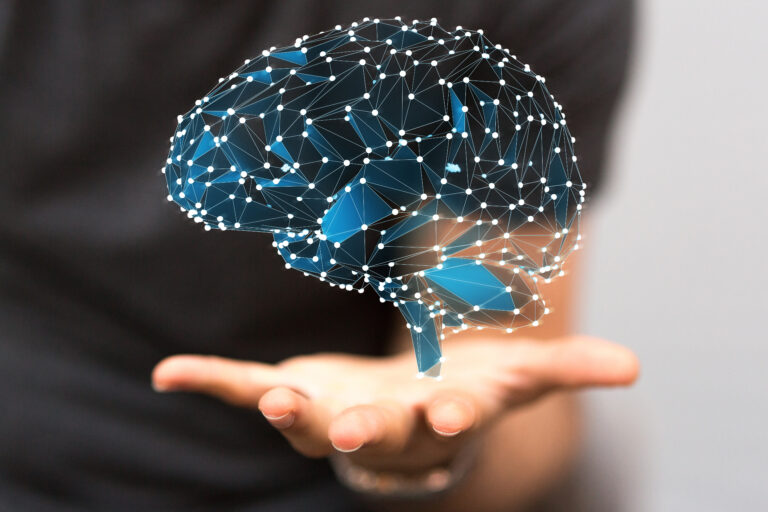
Vitamin D plays a key role in keeping our brains sharp as we age. Low levels of this vitamin have been linked to problems with memory, attention, and overall thinking skills.
Our brains have receptors for vitamin D in areas like the hippocampus and thalamus, which handle memory and learning. This vitamin helps regulate neurotransmitters, the chemicals that let brain cells communicate. It also protects brain cells from damage and reduces inflammation in the nervous system. Studies show that people with enough vitamin D do better on tests of memory, focus, and decision-making.
Low vitamin D levels raise the risk of dementia by about 32 percent, according to a large review of studies. Severe shortages, below 10 ng/ml in blood tests, can increase that risk by nearly 50 percent. This happens partly because vitamin D keeps calcium levels balanced in the brain, which is vital for forming memories. Without it, calcium builds up and harms neurons, speeding up brain aging. Vitamin D also fights oxidative stress from too much glutamate, a brain chemical that can kill cells if levels get out of control.
In animal studies, vitamin D supplements improved brain markers linked to Alzheimer’s, like reducing harmful proteins called amyloid beta and tau. It boosted growth factors that help new brain cells form and supported repair in damaged areas. One trial with older adults with Alzheimer’s found supplements lowered levels of those same harmful proteins. However, not all studies agree. Some large trials saw no drop in dementia rates from supplements, suggesting benefits depend on whether someone starts with a deficiency.
From early life, vitamin D matters for brain growth. Mothers with low levels during pregnancy raise the odds of issues like autism, ADHD, or schizophrenia in their kids. It affects brain structure, like thicker cortex areas and fewer protective proteins.
To maintain good levels, aim for sunlight exposure, fatty fish, or fortified foods, but check with a doctor before supplementing, especially if older. High levels can sometimes increase fall risks.
Sources
https://neuromedcare.com/vitamin-d-and-tinnitus/
https://pmc.ncbi.nlm.nih.gov/articles/PMC12745284/
https://www.mindbodygreen.com/articles/getting-ample-vitamin-d-reduces-your-dementia-risk-by-32-how-to-achieve-and-maintain-healthy-vitamin-d-levels
https://rjptonline.org/AbstractView.aspx?PID=2025-18-12-42
https://now.tufts.edu/2025/12/10/do-older-adults-need-take-vitamin-d-and-calcium-supplements