Hearing Aids and Dementia Risk: What You Need to Know
Hearing loss affects millions of people, especially as we age, and it turns out it can play a big role in dementia risk. Research shows that when hearing loss goes untreated, the chances of developing dementia go up, but hearing aids might help lower that risk by making it easier for the brain to stay sharp.
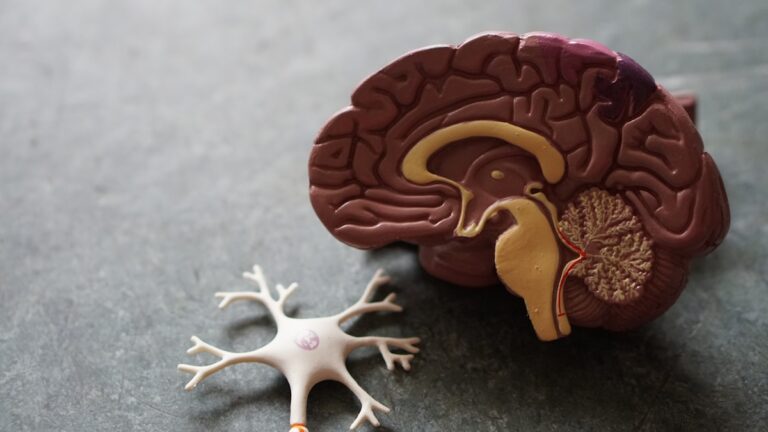
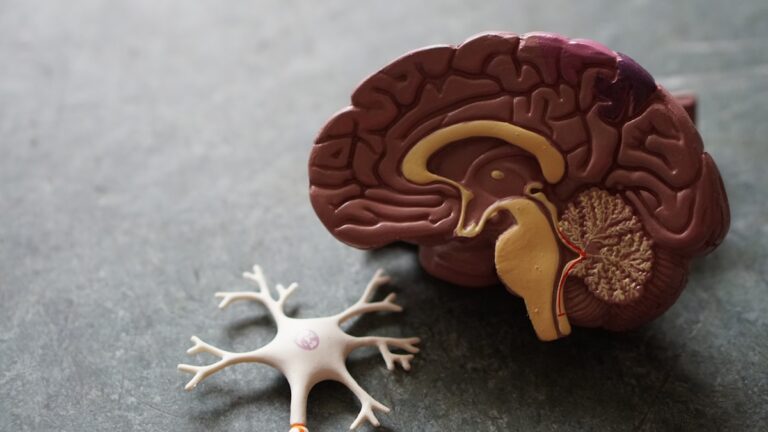
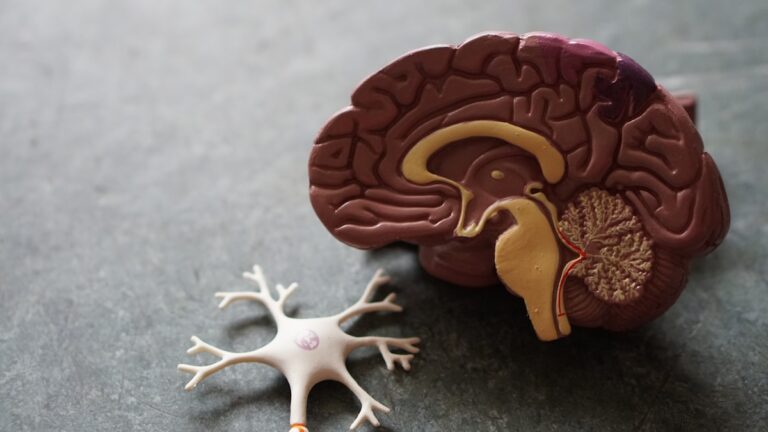
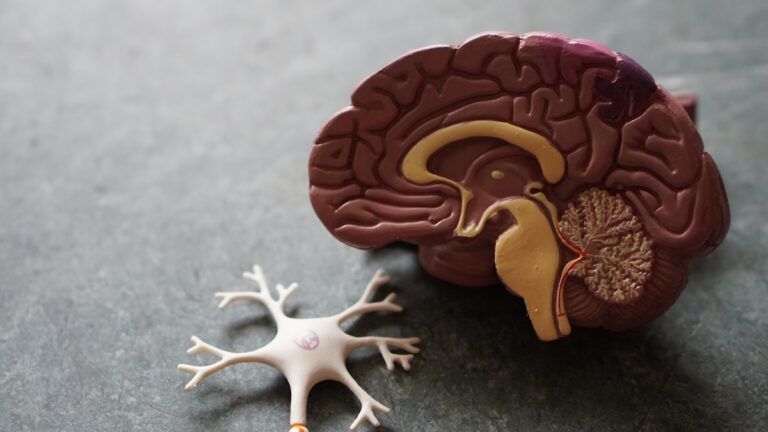
First, lets look at why hearing loss matters for the brain. When you struggle to hear, your brain has to work extra hard to fill in the gaps in conversations or sounds around you. This extra effort, called cognitive overload, tires out the brain over time. Studies have found that people with mild hearing loss have double the risk of dementia, moderate loss triples it, and severe loss makes it five times higher. Brain scans even show faster shrinking in brain areas linked to thinking and memory when hearing loss is ignored. Social isolation adds to the problem too, since missing out on talks with friends or family can lead to loneliness, which harms brain health.
Experts like Dr. Frank Lin from Johns Hopkins are digging into this link. One long-term study followed hundreds of adults for nearly 12 years and confirmed the strong connection between untreated hearing loss and dementia. Midlife hearing loss, starting around age 45, is now seen as a top changeable risk factor, linked to about 7 percent of all dementia cases. Without enough sound input, the brain gets less stimulation, much like a muscle that weakens without exercise.
Now, how do hearing aids fit in? They amplify sounds so you can hear clearly without straining. This cuts down on mental fatigue and lets you join conversations and activities more easily. People using hearing aids report better communication, less exhaustion from listening, and stronger social ties, all of which support brain health. Research suggests hearing aids can slow cognitive decline by up to 50 percent in older adults at high dementia risk. They keep auditory areas of the brain active, preserve memory and attention, and may even reduce overall dementia cases by 7 percent if used widely. Regular users also show lower risk of death from any cause compared to those who skip them.
The key is starting early. Waiting too long, like the average nine years after diagnosis, lets the damage build up. Hearing aids work best for moderate to severe loss, where everyday sounds like doorbells or voices become hard to catch. They do not reverse dementia, but they can protect against it when used consistently.
Many adults hesitate due to stigma, thinking hearing aids make them seem old or are too tricky. But modern ones are small, effective, and worth it for staying connected and mentally fit.
Sources
https://www.bravohearing.com/hearing-loss-and-dementia/
https://www.audiologymaine.com/hidden-risks-of-untreated-hearing-loss
https://www.mensjournal.com/health-fitness/study-finds-midlife-hearing-loss-significantly-raises-dementia-risk-but-this-tool-can-help
https://www.audibel.com/hearing-loss-treatment/hearing-loss-levels-hearing-aid-recs/
https://pmc.ncbi.nlm.nih.gov/articles/PMC12729490/
https://www.aarp.org/health/conditions-treatments/benefits-of-hearing-aids-for-older-adults/