Why Hearing Loss Strains the Brain
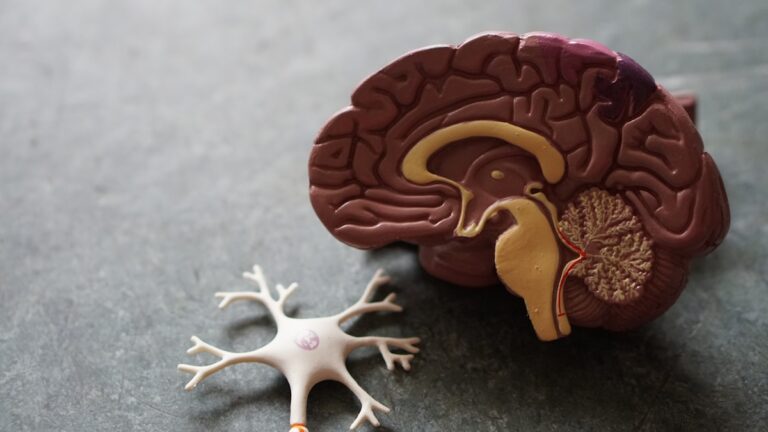
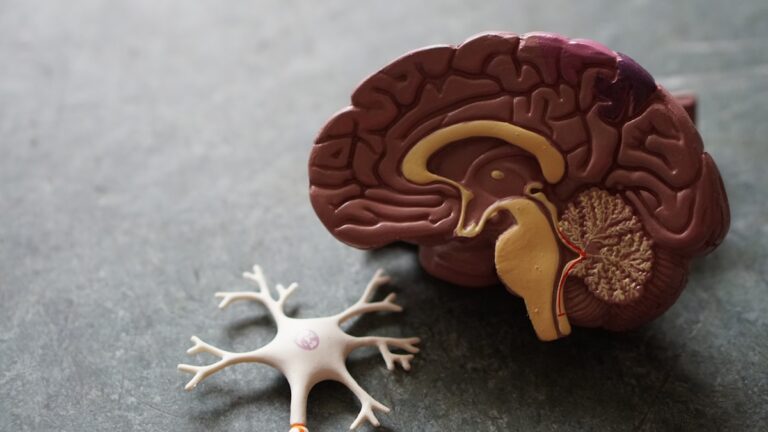
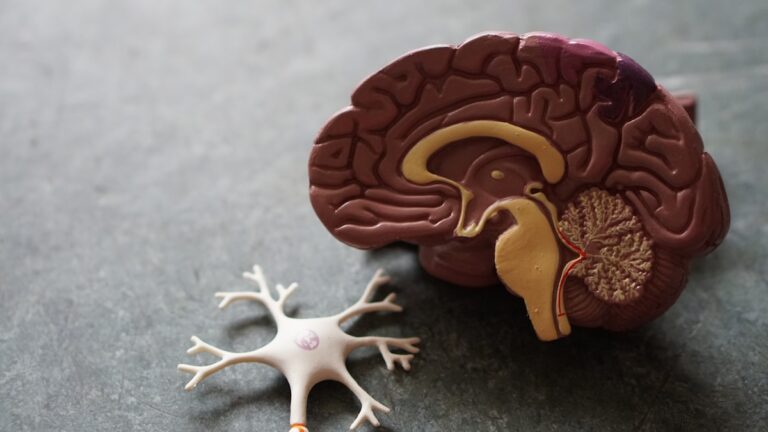
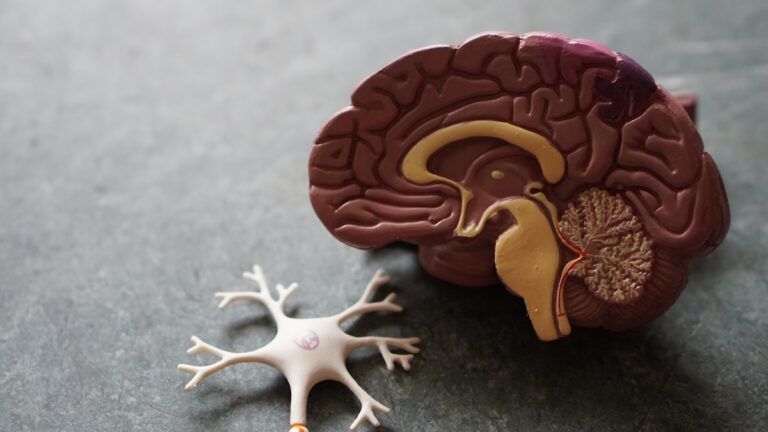
When you have trouble hearing, you might think the problem is limited to your ears. But research shows that untreated hearing loss creates a ripple effect throughout your brain, affecting how you think, remember, and process information.
Your brain is constantly working to make sense of the sounds around you. When your hearing is normal, this happens automatically without much effort. But when hearing loss occurs, your brain has to work much harder to interpret the sounds it does receive. This extra mental effort is like asking your brain to run multiple programs at once when it was designed to handle them one at a time.
Think of your brain’s resources like a computer’s processing power. You have a limited amount of mental energy available for different tasks like memory, attention, problem-solving, and decision-making. When hearing loss forces your brain to dedicate extra resources to decoding sound, fewer resources are left for these other important functions. Over time, this constant strain can lead to mental fatigue and reduced cognitive performance.
The strain becomes even greater in noisy environments. When you have hearing loss and find yourself in a crowded restaurant or busy social gathering, your brain must work overtime to pick out individual voices and conversations. This intense cognitive effort leaves you exhausted and makes it harder to remember what was said or to follow complex discussions.
Research from Johns Hopkins University has shown that this connection between hearing loss and brain strain is very real. Studies have found that individuals with untreated hearing loss perform worse on cognitive tasks than people with normal hearing, even when accounting for age and education level. One study discovered that people with mild hearing loss were twice as likely to develop dementia as those with normal hearing. For those with moderate to severe hearing loss, the risk was even higher.
The brain also experiences physical changes when hearing loss goes untreated. When your auditory system isn’t working properly, the auditory processing centers in your brain become less active. This reduced stimulation can affect neighboring brain regions involved in memory, attention, and problem-solving. Over time, these changes in neural connections can make it harder to follow conversations, remember details, or process complex information.
Another way hearing loss strains the brain is through a process called auditory deprivation. When the brain receives less sound input, it doesn’t get the stimulation it needs to stay sharp and adaptable. The hearing and memory parts of your brain require regular sound stimulation to function efficiently. Without this input, these brain regions can become less active and less efficient.
The good news is that treating hearing loss can reduce this strain significantly. When people with hearing loss use hearing aids, their brains no longer have to work as hard to process sound. This allows mental resources to be redirected toward memory, attention, and other cognitive functions. Studies have shown that older adults who use hearing aids score noticeably higher on cognitive assessments compared to those who don’t treat their hearing loss.
Early intervention is particularly important. Even mild or gradual hearing changes can place extra strain on the brain before you might notice obvious hearing problems. By addressing hearing loss early, you can prevent years of unnecessary cognitive strain and protect your brain health as you age.
The connection between hearing loss and brain strain also affects your emotional well-being. When your brain is constantly working hard to process sound, you experience mental fatigue. This fatigue can contribute to mood changes, anxiety, and depression. Communication difficulties caused by hearing loss can also lead to social isolation, which compounds the emotional and cognitive effects.
Understanding why hearing loss strains the brain highlights the importance of regular hearing checkups and early treatment. Your hearing health is directly connected to your brain health. By taking care of your hearing, you’re also taking care of your cognitive function, emotional well-being, and overall quality of life.
Sources
https://prohearcare.com/hearing-loss-your-cognitive-health
https://www.bravohearing.com/hearing-loss-and-dementia/
https://pmc.ncbi.nlm.nih.gov/articles/PMC12733058/
https://www.hearcarolina.com/blog/hearing-loss-and-dementia-cognitive-decline-prevention/
https://blaids.com/blog/why-untreated-hearing-loss-affects-mental-health-more-than-you-think/
https://aanviihearing.com/blogs-on-hearing-health/can-hearing-loss-affect-mental-health
https://www.aarp.org/health/conditions-treatments/benefits-of-hearing-aids-for-older-adults/