Hearing Changes and Cognitive Load
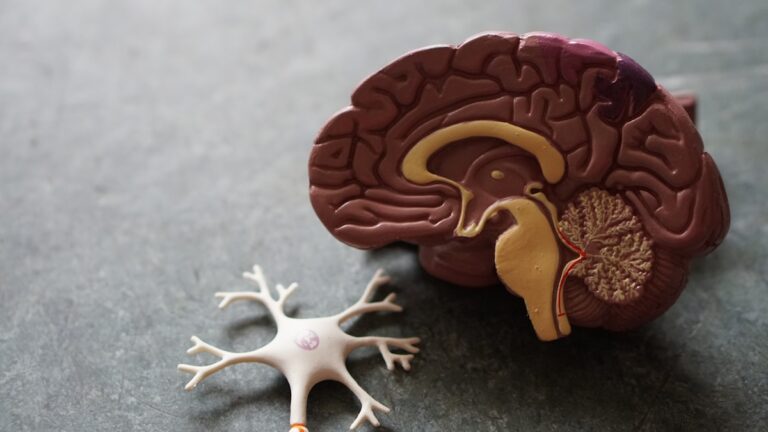
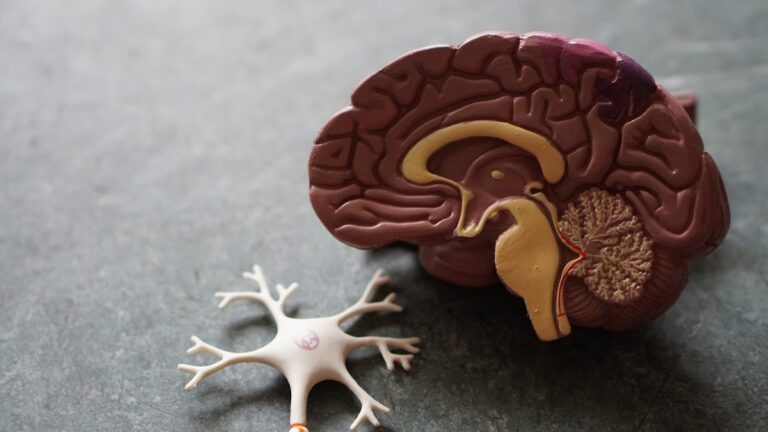
When your hearing starts to fade, it does more than make sounds harder to catch. It puts extra pressure on your brain, a strain known as cognitive load. This happens because the brain works overtime to fill in missing pieces of sound, like trying to solve a puzzle with half the parts gone.
Imagine listening to a friend in a crowded room. If your ears pick up only bits of words, your mind races to guess the rest. This constant guessing tires out brainpower needed for thinking, remembering, or focusing on other things. Studies show this extra effort can speed up mental wear over time, especially in older adults.
One key finding comes from research on how mental tasks change hearing itself. When people tackle tougher thinking jobs, their ear sensitivity shifts. For example, many notice peak response to sounds around 3,000 Hz under high mental strain. Devices worn in the ears can even detect these shifts, hinting at new ways to track brain workload in daily life.
Hearing loss also rewires the brain in subtle ways. Parts that handle sound start pulling in help from areas meant for problem-solving or touch. This switch, called cross-modal plasticity, helps at first but adds to the overall load. Over years, it links to thinner brain tissue in hearing zones and weaker connections for processing sounds.
Experts point to a few main reasons this matters. First, poor hearing floods the brain with unclear signals, forcing it to decode garbled input. In noisy spots like busy streets or family dinners, this gets worse. Second, it can lead to pulling back from talks and gatherings, breeding loneliness that harms thinking skills. Third, less sound input starves brain areas tied to memory and language, making them less sharp.
Large reviews tie untreated hearing loss to higher dementia odds, with one estimate at 32 percent more risk. Brain scans back this, showing changes in key areas. Yet using hearing aids cuts this strain. Trials find they slow thinking slip by nearly half in at-risk groups and even lower death rates from all causes.
These links run both ways too. Early mental slowdown might tweak inner ear mechanics, making sounds feel off during focus-heavy moments. Groups differ in patterns, like age or background, so personal checks help spot issues soon.
Spotting hearing dips early lets simple steps protect brain health. Regular talks with hearing pros can ease the load and keep minds clearer longer.
Sources
https://arxiv.org/html/2512.18413v1
https://www.bravohearing.com/hearing-loss-and-dementia/
https://pmc.ncbi.nlm.nih.gov/articles/PMC12697576/
https://comfyclinic.com/cognitive-decline
https://prohearcare.com/hearing-loss-your-cognitive-health
https://audiologyblog.phonakpro.com/healthy-hearing-and-healthy-aging/
https://www.rockymountainaudiology.com/hearing/hearing-loss-and-dementia.php
https://www.aarp.org/health/conditions-treatments/benefits-of-hearing-aids-for-older-adults/