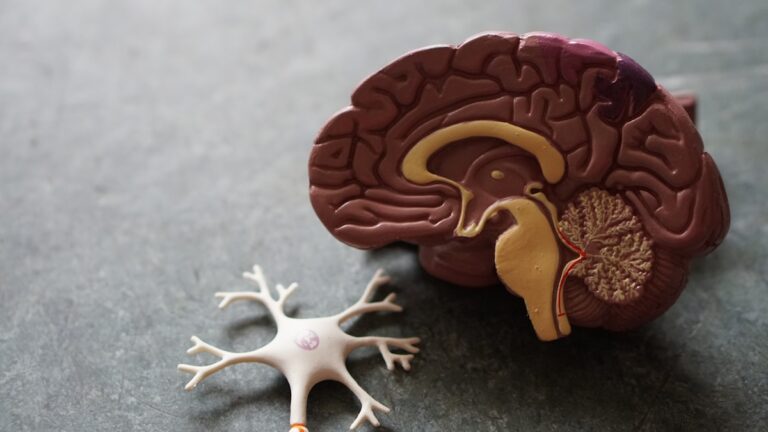
Why Multitasking Becomes Harder With Age
Most people think they can juggle several tasks at once, like checking email while talking on the phone or cooking dinner while scrolling social media. But as we get older, this gets tougher. Our brains just do not handle the constant switching as well.
Brains do not truly multitask. They jump quickly from one thing to another. Each jump uses up mental energy and focus. Studies show this task switching reduces productivity by up to 40 percent for everyone. It also messes with memory, so you forget what you even did that day.[2]
With age, things slow down more. Processing speed in the brain drops as we grow older. This comes from natural changes in brain cells and connections. Older adults take longer to shift attention between tasks. What felt easy in your 20s now feels draining.[3]
Sedentary habits make it worse. Sitting too much, which rises with age, links to cognitive decline. Less movement means weaker brain function over time.[1]
Stress plays a big role too. Constant distractions raise cortisol levels. This harms executive function, the brain’s control center for planning and focusing. Older brains have less room to handle extra stress from interruptions.[2]
Notifications and screens add to the problem. They trigger quick dopamine hits that train the brain to crave more switches. As we age, our tolerance for sustained focus shrinks faster under this pressure.[2]
People who stay sharp past 75 often quit heavy multitasking in their 60s. They pick one task at a time to save energy and keep clarity.[4]
Sources
https://journals.sagepub.com/doi/10.1177/13872877251394751
https://www.latimes.com/live-well/mind/story/dr-zelena-finding-focus
https://int.livhospital.com/mental-decline-with-age-best-vital-guide/
https://geediting.com/gen-bt-people-who-stay-mentally-sharp-after-75-all-quit-these-6-daily-habits-in-their-60s/