Reaction Time Slowing and Brain Aging
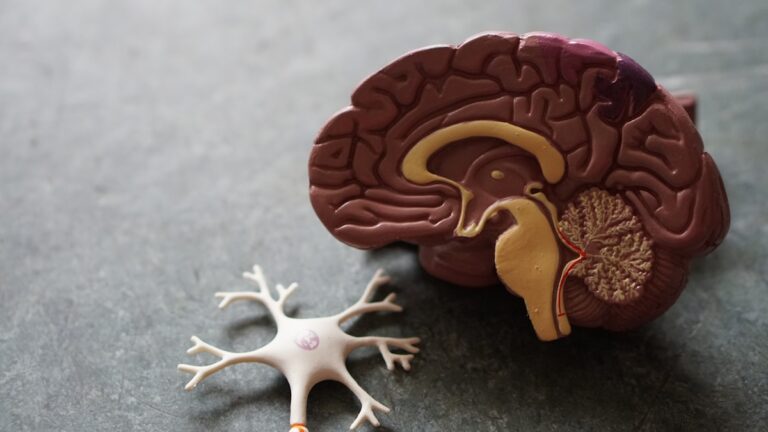
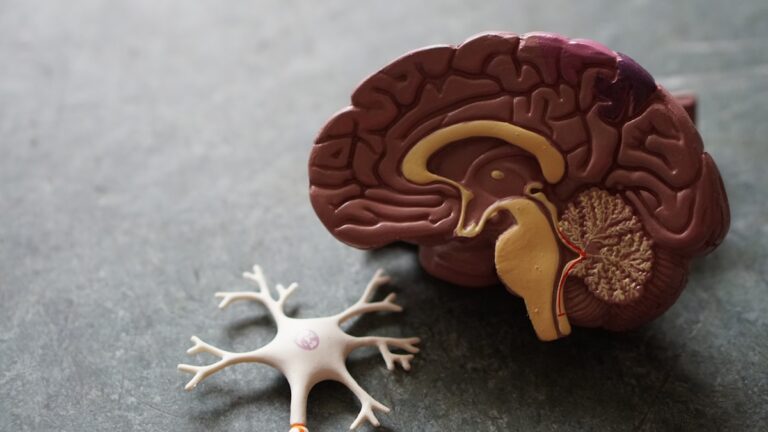
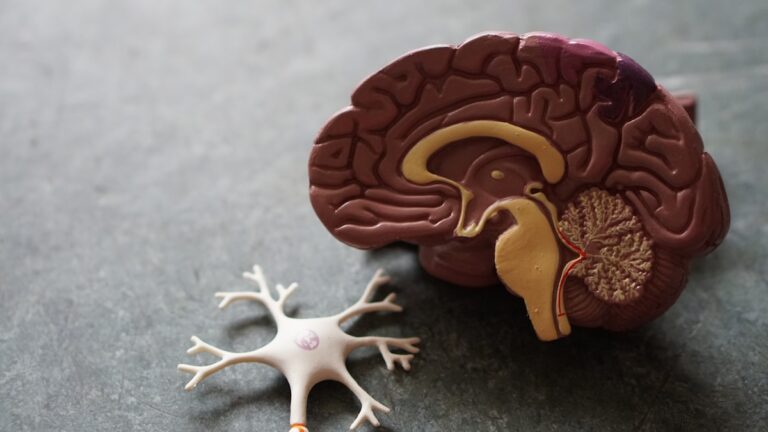
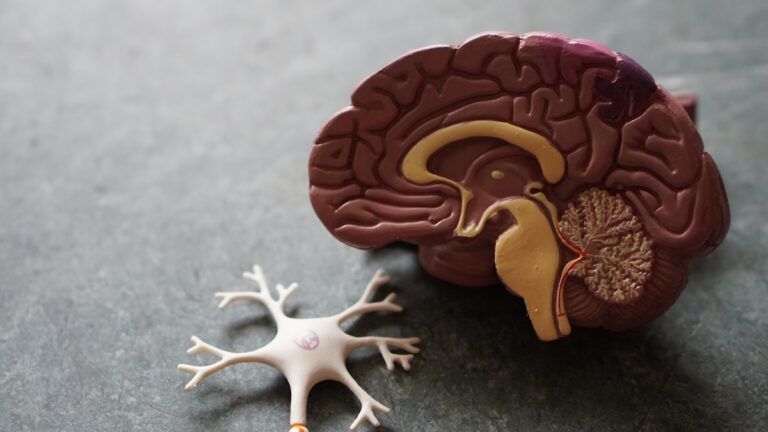
As we get older, our reaction time slows down. This happens because the brain changes in ways that make it harder to process information quickly. Simple tasks like catching a ball or hitting the brakes in traffic take a bit longer. These changes often start in our 40s, well before old age.
Around age 44, something key shifts in the brain. Neurons lose their normal insulin signaling patterns. Insulin helps brain cells use glucose for energy. When this fails, brain cells struggle to get fuel even if blood sugar is fine. This is called neuronal insulin resistance, sometimes known as type 3 diabetes of the brain. It leads to less energy for neurons, slower firing rates, and sluggish brain circuits.[1]
This energy crisis builds up over time. Brain networks that handle fast thoughts start to destabilize around age 43. The brain shrinks by about 5 percent per decade after 40. Mitochondria, the cell’s power plants, weaken with more oxidative stress. This cuts energy to synapses, the connections between brain cells. Synapses weaken, and communication slows.[2][3]
Reaction time ties directly to these changes. Slower neural processing means fewer mental images per second. Young brains fire rapidly, making time feel full. Older brains process slower, so reactions lag. Thalamocortical circuits, which link senses to thoughts, get less efficient. White matter connections, like brain highways, help sync fast reactions with slower thinking, but they falter with age.[1][4][5]
Studies show this slowing precedes bigger problems. Brain glucose use drops 10 to 20 years before memory issues like in Alzheimer’s. Reaction times stretch in tricky tasks, with weaker brain waves like alpha waves. Even simple distractions make it worse.[1][2]
Not everyone slows the same way. Genetics play a role, like the APOE e4 gene worsening insulin issues. Lifestyle matters too. Exercise boosts brain-derived neurotrophic factor, strengthens frontal lobes, and cuts white matter damage. Stress raises cortisol, which harms memory and speeds decline. Staying active can help keep reactions sharper.[3][6]
In the 40 to 60 window, the brain still has plasticity. Early steps like better diet or movement make a big difference before things harden later. Processing speed drops, but sharp minds hold response inhibition, pausing impulses for smart choices.[2][6]
Sources
https://www.andrewhillphd.com/articles/critical-aging-window
https://www.neurable.com/blog-posts/the-40-60-window-your-brains-make-or-break-decades
https://pmc.ncbi.nlm.nih.gov/articles/PMC12753350/
https://www.sciencedaily.com/releases/2026/01/260103155022.htm
https://www.upworthy.com/time-perception-ex1
https://vegoutmag.com/lifestyle/s-if-youre-over-70-and-still-sharp-enough-to-catch-these-9-details-your-cognitive-function-is-outperforming-93-of-your-generation/