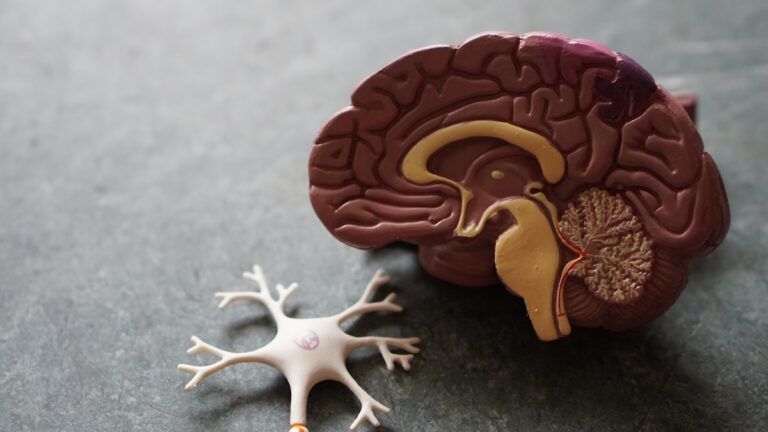
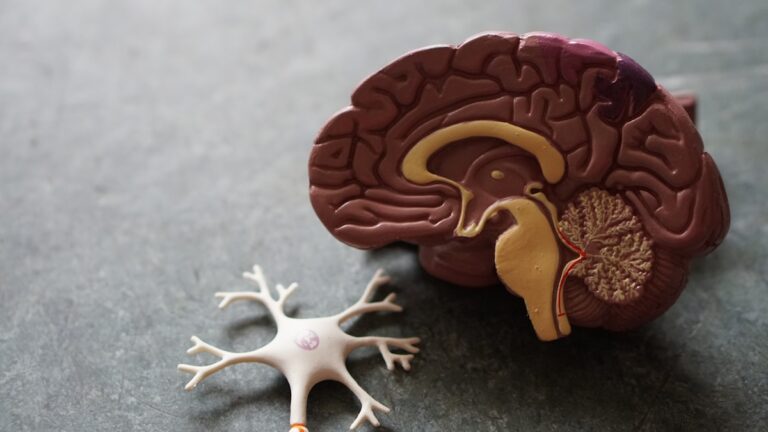
Grip strength is the force you use when squeezing something with your hand, like a tool or a stress ball. It turns out this simple measure can tell us a lot about brain health, especially as people get older. Studies show that weaker grip strength often links to faster cognitive decline, which means problems with memory, thinking, and daily tasks.
Researchers in Japan followed over 1,500 healthy adults aged 50 to 75 for two years. They found that those with weaker grip strength had a higher chance of memory decline. For men in the group, combining grip strength with memory tests predicted decline even better. Stronger hands meant lower risk, even after checking factors like age, smoking, and drinking.
Why does this happen? One reason is that poor grip strength often means less overall muscle power and activity. People who struggle with gripping may move less, and lack of exercise harms the brain. This can lead to dementia or memory loss over time. Low grip also ties to depression, which worsens thinking skills.
Not just overall weakness, but uneven grip between hands matters too. In a study of middle-aged and older adults, those with lopsided hand strength had lower scores on brain tests like the MoCA, which checks memory and drawing skills. Over half the group showed this asymmetry, hinting at early brain changes.
Doctors see grip strength as an easy check in clinics. It is quick to measure with a device called a dynamometer, and it spots risks before big problems show up. Building grip through exercises like squeezing balls or lifting weights might help keep the brain sharp. It also links to better balance, fewer falls, and even lower risks for other issues like heart problems.
Sources:
https://pmc.ncbi.nlm.nih.gov/articles/PMC12725284/
https://moyerwellness.com/grip-strength-is-a-marker-of-health-for-older-adults-heres-why/
https://ijms.info/IJMS/article/view/3934
https://www.ajmc.com/view/handgrip-strength-associated-with-age-related-macular-degeneration
https://journals.sagepub.com/doi/10.1177/1973798X251397887
https://pmc.ncbi.nlm.nih.gov/articles/PMC12761245/