Does social withdrawal in old age worsen dementia? Yes, pulling away from others as people get older can speed up dementia and make cognitive problems worse. Studies show that social isolation harms brain function directly, raising the risk of dementia by cutting down on mental stimulation and weakening key brain areas.
Older adults who spend less time with friends or family face higher chances of memory loss and confusion. One large study of over 30,000 people found that social isolation has a clear harmful effect on thinking skills over time. Most of this damage, about 94 percent, happens directly, not just through feelings of loneliness. Loneliness plays a smaller role, but both together hurt the brain by reducing activity in areas for memory and decision-making.
This withdrawal acts like other big health risks, such as smoking or obesity. It links to faster cognitive decline, much like not exercising the brain through talks or group activities. Without social contact, the brain loses its protective reserve, the backup network that helps fight off dementia symptoms. Research points out that isolation disrupts brain chemicals like dopamine, which handle motivation and learning, leading to quicker drops in daily skills.
Women often feel this more, reporting higher loneliness even with bigger social circles, while men, those with low income, or limited education face bigger isolation risks. Winter months or health issues like poor mobility make it worse, as people stay home more and lose touch. Signs of trouble include forgetting recent events, trouble with chores, or pulling back from conversations, all speeding up if isolation continues.
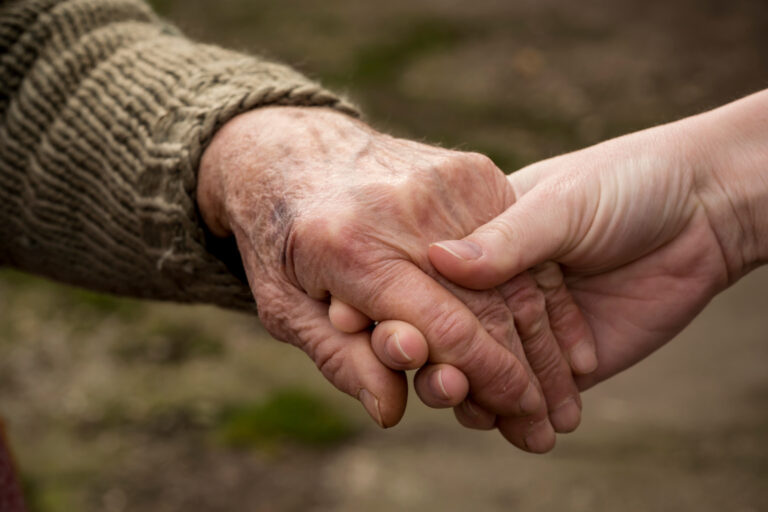
Staying connected helps protect the brain. Simple steps like chatting with neighbors, joining clubs, or calling family keep neural paths strong and slow dementia’s advance. Addressing isolation early works for everyone, no matter gender, race, or background.
Sources
https://www.frontiersin.org/articles/10.3389/fpsyg.2025.1683933
https://academic.oup.com/psychsocgerontology/advance-article/doi/10.1093/geronb/gbaf254/8379737
https://www.myamericannurse.com/the-silent-epidemic-social-isolation-is-harming-our-seniors/
https://nursepartners.org/signs-of-dementia-in-older-adults-with-low-brain-engagement/
https://www.caremountain.com/why-elderly-isolation-increases-during-winter-and-what-to-do/
https://www.sailorhealth.com/blog-post/social-isolation-seniors