Does prayer provide strength to accept life’s end gracefully? Many studies show that for people facing serious illnesses or the end of life, prayer often brings comfort, peace, and a sense of resilience that helps them cope better. Patients with cancer, for example, have shared that prayers from their faith communities give them the greatest comfort, making them feel calm and closer to God even during tough treatments.https://www.cambridge.org/core/journals/palliative-and-supportive-care/article/spirituality-issues-in-cancer-patients-at-ocean-road-cancer-institute-dar-es-salaam-tanzania/5A34363E71B61D3EFC16C6DCD5C9ABCC This kind of spiritual support boosts their ability to keep going, much like what researchers found in studies from Tanzania, Poland, and Lebanon, where faith helped with physical, mental, and emotional strength.https://www.cambridge.org/core/journals/palliative-and-supportive-care/article/spirituality-issues-in-cancer-patients-at-ocean-road-cancer-institute-dar-es-salaam-tanzania/5A34363E71B61D3EFC16C6DCD5C9ABCC
In palliative care, which focuses on easing suffering for those with life-limiting conditions, prayer stands out as a key coping tool. Caregivers and patients in places like Ghana turn to faith and prayer to handle the emotional weight of terminal illness. It helps them find meaning amid questions like “Why me?” or “What happens after death?”https://www.thesocialworkgraduate.com/post/palliative-care-social-work Healthcare workers are encouraged to ask about spiritual beliefs, such as whether faith helps with stress or gives life purpose, because addressing these needs improves overall well-being.https://www.thesocialworkgraduate.com/post/palliative-care-social-work Doctors and nurses in surveys from the US, Turkey, and New Zealand also see prayer as part of spiritual care that supports patients at the end of life.https://pmc.ncbi.nlm.nih.gov/articles/PMC12699817/
Religious people often experience a mix of emotions, like joy and awe alongside worry, which can actually build emotional strength. This “mixed emotions” effect, linked to a sense of a higher power that is both loving and just, helps believers reframe hardships and find silver linings, even in crises like the COVID-19 pandemic.https://www.psypost.org/religious-people-experience-more-mixed-emotions-than-non-believers/ For those nearing life’s end, this emotional complexity through prayer fosters acceptance, turning fear into peaceful perseverance.
Sources
https://www.cambridge.org/core/journals/palliative-and-supportive-care/article/spirituality-issues-in-cancer-patients-at-ocean-road-cancer-institute-dar-es-salaam-tanzania/5A34363E71B61D3EFC16C6DCD5C9ABCC
https://www.thesocialworkgraduate.com/post/palliative-care-social-work
https://pmc.ncbi.nlm.nih.gov/articles/PMC12699817/
https://www.psypost.org/religious-people-experience-more-mixed-emotions-than-non-believers/
Why Prayer provide Matters for Families
Understanding prayer provide helps families ask sharper questions at the next memory clinic visit and make calmer decisions at home. Dementia care decisions often hinge on small details that doctors do not have time to explain in a 15-minute appointment. This section adds the practical context most families never hear.
Most prayer provide questions come up after a worrying moment at home: a missed bill, a wrong turn on a familiar drive, a name that does not come back, or a doctor’s report that uses words no one explained. None of those moments alone diagnoses dementia, but together they often signal that a real conversation is overdue.
What Doctors Wish Families Knew About Prayer provide
Memory specialists routinely report that families come in late. Average time from first family-noticed change to diagnosis is roughly 3 years in the United States. That delay matters because today’s most effective steps — vascular risk control, sleep apnea treatment, depression treatment, medication review, and exercise — work best when started early.
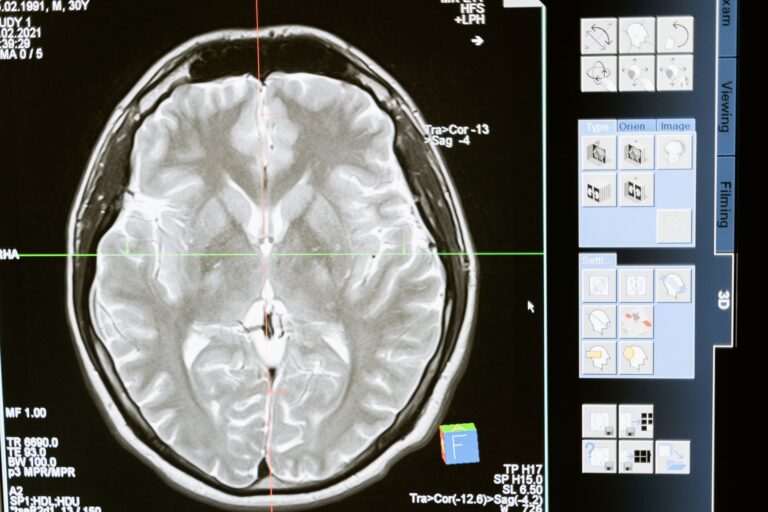
Doctors also wish families knew that no single test diagnoses dementia. The diagnosis is built from cognitive testing, history, labs, imaging, and observation over time. A score on a test is one data point, not a verdict.
Common Questions Families Ask About Prayer provide
When should we see a specialist about prayer provide?
When concerns about memory, judgment, language, or behavior have lasted more than a few months and are affecting daily life. Primary care is the right first stop. They will rule out reversible causes and refer to a neurologist or memory clinic if needed.
What should we bring to the first appointment?
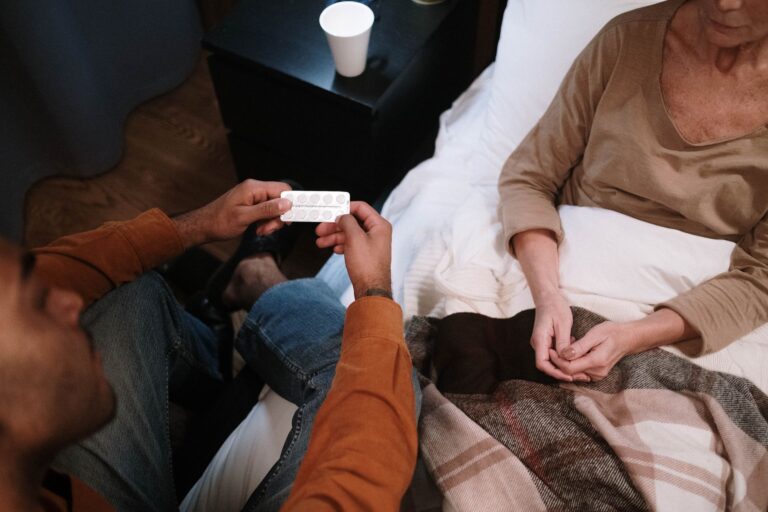
A written timeline of symptoms, a complete medication list (including over-the-counter and supplements), a list of medical conditions, and a family member who has observed the changes.
What can we do at home today?
Manage blood pressure, treat sleep apnea, exercise most days, eat a Mediterranean-style diet, stay socially engaged, address hearing loss, and review medications with a pharmacist for cognitively risky drugs.
When to Call the Doctor
Sudden cognitive change, falls, new confusion, fever with confusion, sudden weakness or speech change, or rapid worsening of dementia symptoms over days warrant immediate medical attention. Slow gradual change can be discussed at the next scheduled visit.
For more authoritative guidance on prayer provide and related dementia topics, the National Institute on Aging and the Alzheimer’s Association are reliable starting points.