Prayer offers older adults a gentle way to handle the challenges of declining health. It provides comfort, cuts down on worry, and builds a sense of peace during tough times.
As people age, health issues like pain, mobility loss, or chronic conditions can feel overwhelming. Prayer steps in as a simple daily practice that many turn to for support. Studies show that regular rituals, including prayer, help lower anxiety levels. For instance, engaging in these routines creates a calming effect on the mind, much like a steady habit that soothes the nerves. This is especially helpful for seniors facing ongoing health struggles, where stress can make symptoms worse.
One key benefit is the emotional lift prayer brings. It fosters a feeling of connection, whether to a higher power, loved ones, or even a community group. Programs like the Comfort Prayer Shawl initiative at places such as St. Vincent’s highlight this. Volunteers knit prayer shawls for those in need, turning the item into a symbol of prayer and care. Older adults receiving these shawls often report feeling wrapped in warmth and hope, which eases their coping with illness. You can learn more about such efforts through https://stvincents.org/about-us/news-press/news-detail?articleId=69708&publicid=395.
Prayer also adds meaning to daily life. When health fades, routines can feel empty, but prayer fills that space with purpose. Research points out that rituals strengthen relationships and boost overall well-being. For older adults, a quiet prayer session might involve gratitude for small joys or asking for strength, shifting focus from loss to resilience. This mental shift helps them manage pain and uncertainty better.
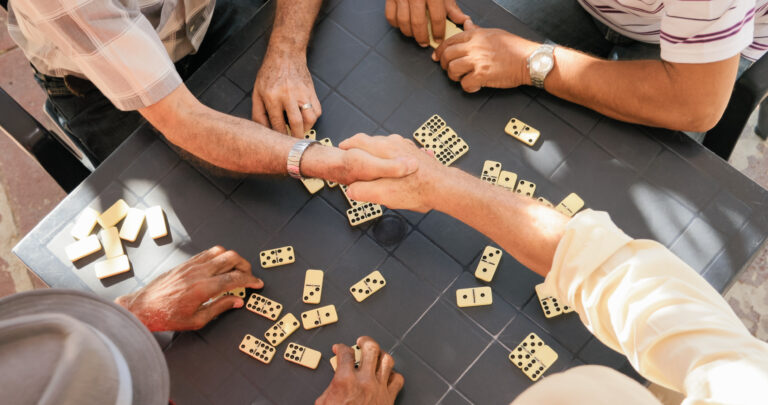
In faith communities, group prayer amplifies these effects. Sharing prayers with others reduces isolation, a common issue in declining health. It reminds seniors they are not alone, building emotional bonds that act as a buffer against despair.
Beyond emotions, prayer encourages healthy habits. It often pairs with reflection, prompting better sleep, calmer breathing, or even light movement, all of which support the body as it ages. Details on rituals’ role in well-being appear in discussions from experts like those at https://www.psychologytoday.com/us/blog/some-assembly-required/202512/engaging-in-rituals-can-strengthen-connection-and-well-being.
Many older adults find prayer accessible, needing no special tools or skills. A whispered thanks before bed or a moment of silence during pain can make a difference. Over time, this builds inner strength, helping them face doctor’s visits, medications, or hospital stays with more steadiness.
Sources
https://stvincents.org/about-us/news-press/news-detail?articleId=69708&publicid=395
https://www.psychologytoday.com/us/blog/some-assembly-required/202512/engaging-in-rituals-can-strengthen-connection-and-well-being