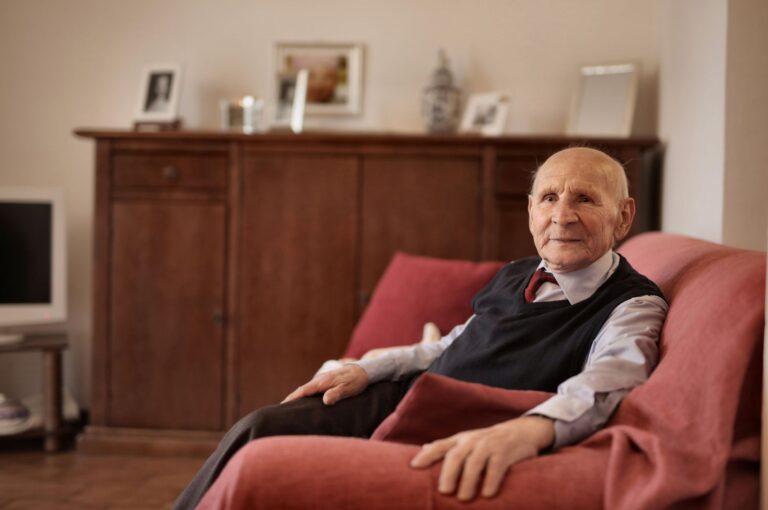
Dementia is a condition that affects the brain and changes the way a person thinks, remembers, and behaves. One of the things that can be impacted by dementia is the ability to recognize patterns. This means that someone with dementia might have trouble seeing how things are connected, noticing similarities, or understanding how information fits together. This can make everyday tasks harder, especially when it comes to understanding medical information or following instructions.
When a person hears something medical, like a doctor explaining a diagnosis or treatment, they often need to recognize patterns in the information. For example, they might need to understand that certain symptoms go together, or that a particular medication is used for a specific condition. This kind of pattern recognition is important for making sense of complex information and making decisions about health care.
Studies have shown that people with dementia, especially those with Alzheimer’s disease, often have trouble with pattern recognition. This is because dementia affects the parts of the brain that are responsible for memory, attention, and problem-solving. When these areas are damaged, it becomes harder to see connections between pieces of information or to remember how things are related [3].
For instance, a person with dementia might struggle to recognize that certain words or phrases are commonly used together in medical conversations. They might also have difficulty understanding the sequence of steps in a medical procedure or the relationship between different symptoms and their causes. This can lead to confusion and make it harder for them to follow medical advice or participate in their own care.
Research has also looked at how technology can help with pattern recognition in dementia. Some studies have used artificial intelligence and machine learning to analyze patterns in brain activity, speech, and other behaviors. These technologies can sometimes detect changes that are not obvious to the human eye, and they can help doctors make more accurate diagnoses [2]. For example, one study used a deep learning model to analyze digital voice recordings and found that people with cognitive impairment produced language that was less similar to the original story and had longer pauses between words [2]. This kind of analysis can help identify patterns that are associated with dementia, even in the early stages.
Another study used a CNN-based framework to analyze EEG recordings from people with dementia. The researchers found that this approach, which uses dynamic mode decomposition to capture spatio-temporal coherent modes, was better at identifying patterns in brain activity than traditional methods [1]. This suggests that advanced technologies can provide new insights into how dementia affects pattern recognition and may lead to better tools for diagnosis and treatment.
It is important to note that not all people with dementia have the same difficulties with pattern recognition. The severity and type of problems can vary depending on the stage of the disease, the specific type of dementia, and individual differences in brain function. Some people might have trouble with certain types of patterns, such as those involving numbers or sequences, while others might struggle more with recognizing patterns in language or social situations [3].
In addition to the direct effects of dementia on the brain, other factors can also influence pattern recognition. For example, people with dementia might have trouble focusing their attention or remembering recent events, which can make it harder to see connections between pieces of information. They might also be affected by mood changes, sleep disturbances, or other health issues that can further complicate their ability to recognize patterns [5].
Despite these challenges, there are ways to support people with dementia in recognizing patterns and understanding medical information. Clear and simple communication, repetition, and the use of visual aids can all help. Technology can also play a role, with tools like digital voice analysis and machine learning providing new ways to detect and understand patterns in behavior and brain activity [2][1].
Overall, dementia can significantly affect a person’s ability to recognize patterns, especially when it comes to understanding medical information. This is due to changes in the brain that impact memory, attention, and problem-solving. However, advances in technology and supportive strategies can help improve pattern recognition and make it easier for people with dementia to navigate complex information and participate in their own care.
[1] https://www.frontiersin.org/journals/neuroinformatics/articles/10.3389/fninf.2025.1706099/full
[2] https://www.nature.com/articles/s44400-025-00040-0
[3] https://pmc.ncbi.nlm.nih.gov/articles/PMC12620074/
[5] https://pmc.ncbi.nlm.nih.gov/articles/PMC12580246/