How Does Dementia Affect Social Engagement
Dementia is a condition that changes how the brain works, and one of the most significant ways it impacts people’s lives is through social engagement. When someone develops dementia, their ability to connect with others, maintain relationships, and participate in social activities often becomes increasingly difficult. Understanding this connection is important for families, caregivers, and anyone who wants to support someone living with dementia.
The Brain Changes Behind Social Withdrawal
When dementia develops, it damages the parts of the brain that help us communicate, remember faces, and understand social cues. People with Alzheimer’s disease, which is the most common type of dementia, often withdraw socially and become more isolated [4]. This isn’t a choice they’re making – it’s a direct result of how the disease affects their brain function. The cognitive changes that come with dementia make it harder to follow conversations, remember people’s names, and engage in the back-and-forth interaction that social connection requires.
One of the challenges people with dementia face is difficulty reading body language, keeping conversations going, and navigating memory challenges during social interactions [2]. When someone can’t remember what was just said or struggles to find the right words, they may feel embarrassed or anxious about being around others. This can lead them to avoid social situations altogether, even though staying connected is actually one of the most protective things they could do for their brain health.
The Vicious Cycle of Isolation and Cognitive Decline
What makes this situation particularly concerning is that social isolation actually makes dementia worse. Research has shown that socially isolated people have double the risk of dementia, even after accounting for other risk factors such as alcohol consumption and physical inactivity [2]. This creates a troubling cycle: dementia causes social withdrawal, and social withdrawal accelerates cognitive decline.
Studies have consistently demonstrated that social engagement is protective against cognitive decline, with older adults who maintain active social lives exhibiting better cognitive performance and a reduced risk of dementia [1]. Conversely, social isolation and loneliness have been linked to an increased risk of cognitive impairment and dementia [1]. In a longitudinal study, researchers found that individuals with higher levels of social activity were less likely to develop Alzheimer’s disease, suggesting that cognitive stimulation from social interactions may help preserve brain function in aging [1].
The research on social frailty provides even more specific numbers. Socially frail individuals were up to 50 percent more likely to develop dementia, even after accounting for other factors such as physical and psychological frailty [2]. Social frailty is when people become vulnerable to losing the resources they need to stay socially connected and to fulfill their social needs [2]. This can happen to anyone, but it’s particularly concerning for older adults who may have lost spouses, moved away from family, or experienced other life changes that reduced their social networks.
How Dementia Changes Social Behavior
Beyond just withdrawing from social situations, dementia can change how people behave when they are around others. Memory loss means they may not remember recent conversations or may repeat the same stories multiple times. They might struggle to recognize people they’ve known for years, which can be deeply painful for both the person with dementia and their loved ones. Some people with dementia become more irritable or anxious in social settings, while others become withdrawn and quiet.
The sensory aspects of social engagement can also become overwhelming. Managing sensory overwhelm is one of the social skills that many people with cognitive concerns struggle with [2]. A crowded room, loud voices, or too much activity happening at once can cause confusion and distress. This means that even when family members try to include someone with dementia in social activities, the experience might be stressful rather than enjoyable.
The Importance of Maintaining Social Connections
Despite these challenges, maintaining social connections is one of the most important things that can be done for someone with dementia. The association between social networks and cognitive health is supported by studies showing individuals with broader and more supportive social ties experience slower rates of cognitive decline [1]. This means that the effort to keep someone with dementia socially engaged is not just about their emotional wellbeing – it’s about slowing the progression of the disease itself.
Research has also shown that regularly volunteering or helping others outside the home can slow cognitive aging by 15 to 20 percent [5]. While this research focuses on people without dementia, it suggests that meaningful social connections and purposeful engagement have real protective effects on the brain. For people with dementia, staying connected may provide similar benefits, even if the nature of that connection changes.
Caregivers and Social Engagement
The role of caregivers in maintaining social engagement for people with dementia is crucial. Caregivers who provide care to people with dementia often experience positive outcomes themselves, such as self-satisfaction and contentment, being socialized with other informal caregivers, increased self-esteem, and better health outcomes [3]. The positive emotions derived from caregiving tasks for loved ones are associated with lower odds of frailty and sleep disruption [3].
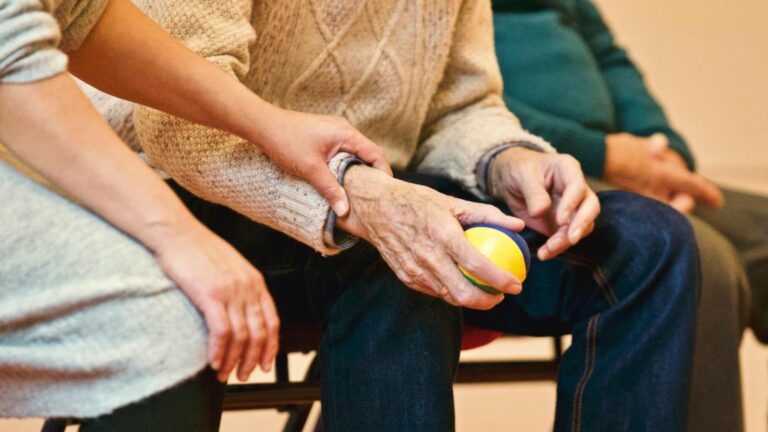
However, caregivers also face challenges. A lack of socialization may lead to feelings of isolation, which impacts the overall caregiver’s caregiving experiences [3]. Social support has been shown to enhance positive experiences and reduce depressive symptoms in caregivers [3]. This means that supporting someone with dementia socially requires support for the caregiver as well.
Practical Approaches to Maintaining Social Engagement
Healthcare providers are beginning to recognize the importance of social engagement in managing dementia. Incorporating social assessments into routine cognitive screenings could help identify at-risk individuals early, allowing for timely interventions such as community programs to promote social engagement aimed at mitigating the effects of social adversity on brain health [1].
One promising approach is programs that focus on the social skills that many people with cognitive concerns struggle with. These programs include reading body language, keeping conversations going, navigating memory challenges, managing sensory overwhelm and practicing assertiveness [2]. The program Maintaining Social Engagement within a clinical trial focuses on these specific skills and can be done not just through medication or high tech interventions, but through the everyday act of staying connected [2].
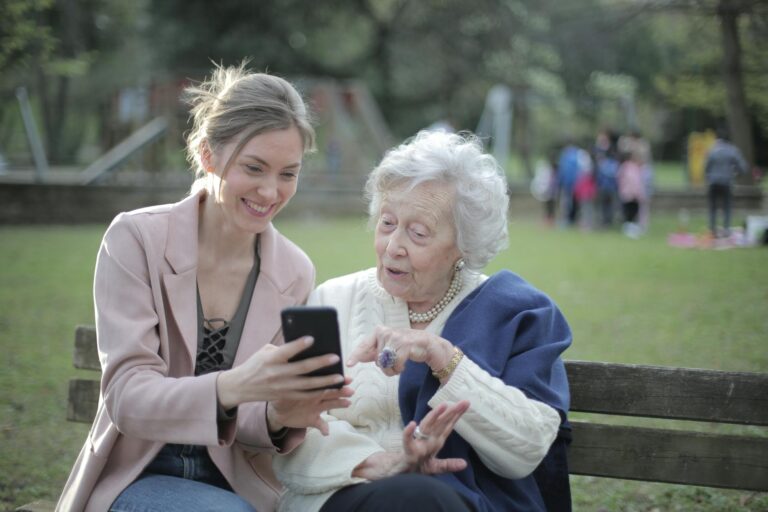
Simple strategies can help maintain social engagement for people with dementia. Smaller, quieter gatherings may be less overwhelming than large social events. Regular visits from family and friends, even if conversations are shorter or more repetitive, provide valuable connection. Participating in activities together, such as looking at photo albums, listening to music, or taking walks, can facilitate engagement without requiring complex conversation. Joining support groups or dementia-friendly community programs can provide both the person with dementia and their caregivers with meaningful social connection.
The Broader Health Implications
The connection between social engagement and dementia has broader health implications. Clinically, the recognition of social adversity such as low socioeconomic status, social isolation, and chronic stress as significant risk factors