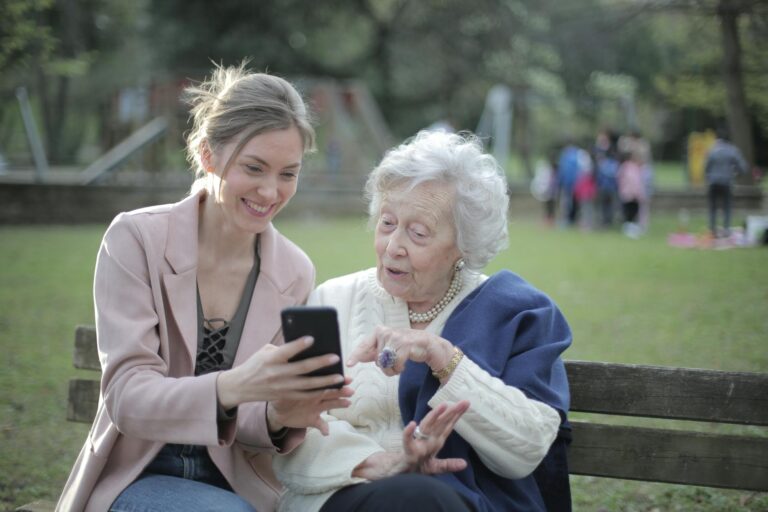
When a loved one with dementia forgets how to walk, it can be a frightening and confusing experience for both the person affected and their caregivers. Dementia affects the brain’s ability to process information, which can lead to difficulties with coordination, balance, and muscle memory. This means that walking, a task once automatic, may become challenging or even impossible without support.
The first step is to understand that this loss of walking ability is part of the progression of dementia and not something your loved one is doing on purpose. It is important to approach the situation with patience and compassion. Consulting healthcare professionals such as physiotherapists and occupational therapists can make a significant difference. Physiotherapists can help maintain muscle strength and balance through gentle, repetitive exercises that engage muscle memory and encourage safe movement patterns. They also work on preventing stiffness and contractures by stretching limbs that may become tight due to inactivity. Walking alongside your loved one can build their confidence and reduce the fear of falling, which is common in dementia patients[1][5].
Occupational therapists play a complementary role by modifying the home environment to reduce confusion and anxiety. They use visual cues like signs or contrasting colors to help your loved one find important places such as the bathroom or bedroom. They also help create structured daily routines to minimize agitation and remove trip hazards that might be misinterpreted by someone with dementia. Ensuring safe seating and clear pathways can prevent falls and make moving around easier[1].
Supporting your loved one to walk should be done carefully. Start with short, manageable distances and include breaks to avoid fatigue. Use mobility aids like canes or walkers if recommended by a healthcare provider, and make sure these aids are properly adjusted. Encourage walking at a comfortable pace without rushing, and always ensure the environment is safe and free of obstacles. Proper footwear and clothing suited to the weather can also improve comfort and safety[2].
If your loved one falls, stay calm and check for injuries. Do not move them if you suspect serious harm. If they are uninjured, help them get up safely by guiding them to roll onto their side, then to hands and knees, and finally to a sturdy chair for support. If they are injured or disoriented, call emergency services immediately. After a fall, it is important to consult a healthcare professional to assess for hidden injuries and to review their mobility care plan to prevent future falls[2].
In addition to physical support, cognitive strategies can help maintain some independence. Using visual reminders, keeping important items in the same place, and establishing routines can reduce confusion and help your loved one feel more secure. While brain exercises may not prevent dementia progression, they can help keep the mind engaged and organized[4].
Remember, walking difficulties in dementia are often linked to changes in gait, coordination, and balance caused by the disease. Early recognition and intervention can improve quality of life and safety. Always seek advice from healthcare professionals who specialize in dementia care to tailor support to your loved one’s specific needs[3][6].
Sources
https://private-physio.co.uk/conditions/dementia-care/
https://www.helpinghandshomecare.co.uk/care-advice/how-to-support-an-elderly-person-walking/
https://www.alzheimersresearchuk.org/news/spotting-early-signs-that-could-be-dementia-when-should-you-worry/
https://www.ucihealth.org/blog/2025/11/mild-cognitive-impairment
https://therapycarept.com/physical-therapy-guide-to-alzheimers-disease/
https://www.aegisliving.com/the-stages-of-caregiving-the-changes-you-will-face-with-dementia-2/