Dementia is a condition that affects the brain and changes the way a person thinks, remembers, and behaves. One of the most noticeable changes for both people with dementia and their families is how they interact with others. Over time, dementia can make it harder for someone to recognize faces and voices, especially when medical topics are being discussed. This happens because dementia damages the parts of the brain that help with memory, language, and understanding social cues. When someone has dementia, they may look at a familiar face and not know who it is, or hear a familiar voice and not understand what is being said, particularly if the conversation is about something complex like health or medicine.
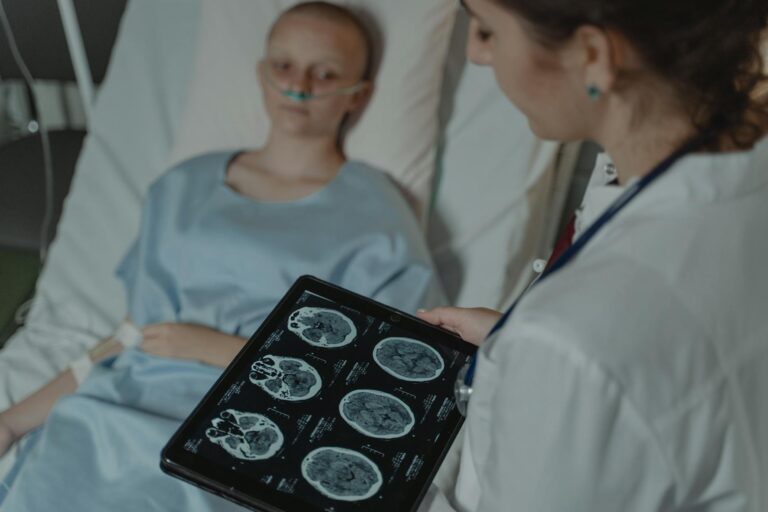
The brain has special areas that help us recognize faces and voices. The fusiform face area is responsible for recognizing faces, while the temporal lobe helps us recognize voices and understand speech. In dementia, especially in Alzheimer’s disease, these areas can become damaged. This means that even if a person sees or hears someone they know well, their brain may not be able to process that information correctly. For example, a person with dementia might not recognize their own child or spouse, or they might not understand what a doctor is saying during a medical appointment. This can be very confusing and upsetting for both the person with dementia and their loved ones [1].
When medical topics are discussed, the challenge becomes even greater. Medical language is often complex and uses words that are not part of everyday conversation. For someone with dementia, this can make it even harder to understand what is being said. The brain’s ability to process language is affected by dementia, so even if a person hears the words, they may not be able to make sense of them. This is why people with dementia often need extra time to understand what is being said, and why simple, clear language is so important during medical conversations [1].
Another factor that makes it harder for people with dementia to recognize faces and voices is the loss of memory. Dementia causes memory problems, which means that a person may forget who someone is or what they look like. This can happen even with people they see every day. For example, a person with dementia might not remember their doctor’s face or voice, even if they have been seeing them for years. This can make medical appointments more stressful, as the person may feel anxious or confused about who is talking to them and what is being said [1].
Emotions also play a role in how people with dementia recognize faces and voices. The brain’s ability to process emotions is affected by dementia, so a person may not be able to pick up on emotional cues in someone’s voice or facial expression. This means that even if a doctor is speaking in a calm and reassuring tone, the person with dementia may not feel reassured. They may not be able to tell if someone is happy, sad, or angry just by looking at their face or listening to their voice. This can make it harder for them to understand the context of a conversation, especially when medical topics are being discussed [1].
Technology is being used to help people with dementia recognize faces and voices. For example, some researchers are using artificial intelligence to analyze digital voice recordings and detect early signs of cognitive impairment. These AI systems can pick up on subtle changes in speech and language that may not be noticeable to the human ear. This can help doctors diagnose dementia earlier and provide better care for people with the condition. Studies have shown that AI-based analysis of voice samples can outperform traditional neuropsychological tests in detecting cognitive impairment, especially in the early stages of dementia [1].
Another area of research is using large language models to help identify early cognitive decline through speech-based natural language processing. These models can analyze speech patterns and detect subtle linguistic markers that may indicate dementia. For example, a study using transformer-based embeddings and handcrafted linguistic features found that combining these approaches improved the detection of Alzheimer’s dementia and related dementias. The study also showed that synthetic augmentation using large language models could enhance the performance of these systems, making them more effective at identifying early-stage impairment [2].
Digital monitoring is also being explored as a way to help people with dementia recognize pain and other health conditions. As dementia progresses, people often have difficulty reporting their experience of pain, especially in the later stages. Digital monitoring systems can use automated facial recognition and analysis, smart computing, and affective computing to identify signs of pain in people with dementia. These systems can provide objective evidence of the presence and intensity of pain, which can help caregivers and healthcare providers provide better care [3].
The use of subtitles and visual cues can also help people with dementia recognize faces and voices during medical conversations. Subtitles improve accessibility for people with hearing impairments and aid comprehension of complex information. Visual cues, such as the presence of a familiar face or a clear image, can help modulate cognitive load and make it easier for people with dementia to understand what is being said. This is particularly beneficial for individuals with lower working memory capacity, who may rely more on nonverbal cues from the speaker [4].
In summary, dementia affects the brain’s ability to recognize faces and voices, especially when medical topics are being discussed. Damage to specific brain areas, memory loss, and changes in emotional processing all contribute to these challenges. Technology, such as artificial intelligence and digital monitoring systems, is being used to help detect early signs of cognitive impairment and improve care for people with dementia. Subtitles and visual cues can also help make medical conversations easier to understand for people with dementia.
References
[1] Nature. Voiceprints of cognitive impairment: analyzing digital voice for early detection. https://www.nature.com/articles/s44400-025-00040-0
[2] Frontiers in Artificial Intelligence. LLMCARE: early detection of cognitive impairment via transformer. https://www.frontiersin.org/journals/artificial-intelligence/articles/10.3389/frai.2025.1669896/full
[3] JMIR Mental Health. Pain Cues in People With Dementia: Scoping Review. https://mental.jmir.org/2025/1/e75671/PDF
[4] PMC. Quality and reliability of Alzheimer’s disease videos on Douyin and other platforms. https://pmc.ncbi.nlm.nih.gov/articles/PMC12638718/