Dementia, including Alzheimer’s disease, can indeed cause people to forget family events, and this memory loss is a core symptom of the condition. Dementia refers to a group of brain disorders characterized by progressive damage to brain cells, which leads to a decline in cognitive functions such as memory, communication, and reasoning. One of the most distressing aspects for families is when a loved one with dementia no longer recognizes familiar people or forgets important shared experiences, including family gatherings and events.
The reason dementia causes such memory loss lies in the brain’s structural and functional changes. Research from the University of Virginia has identified that in Alzheimer’s disease, a common form of dementia, the loss of social memory—the ability to remember people and social interactions—is linked to the breakdown of specialized structures called perineuronal nets. These nets are mesh-like coatings that surround neurons and help maintain proper communication between brain cells, particularly those involved in social memory. When these nets degrade, the brain loses its ability to preserve memories of familiar individuals, even though other types of memory, like object recognition, may remain intact for some time. In experiments with mice, protecting these nets early on helped preserve social memory despite other Alzheimer’s-related brain changes, suggesting a direct biological cause for forgetting family and friends in dementia patients[2][6][8].
Family events can be particularly challenging for people with dementia because these occasions often involve multiple stimuli, unfamiliar faces, and complex social interactions. The cognitive decline in dementia affects the brain’s ability to encode, store, and retrieve memories, making it difficult for the person to recall past family gatherings or recognize relatives who may not be seen frequently. This can lead to confusion, anxiety, and sometimes distress for both the person with dementia and their family members.
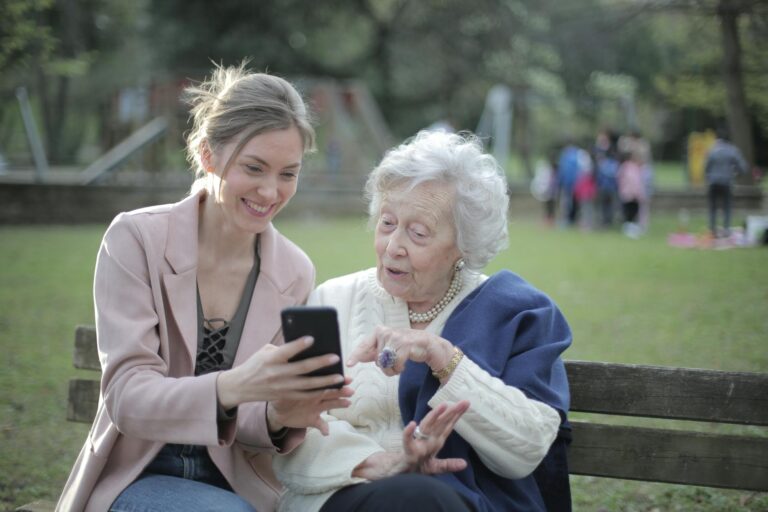
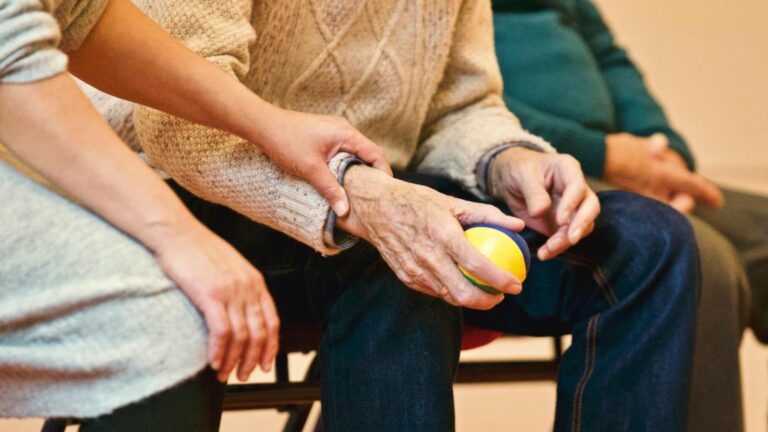
Caregivers and family members play a crucial role in supporting those with dementia during family events. Research shows that family involvement can stimulate recognition and reinforce a person’s sense of identity, which may help slow cognitive decline and improve emotional well-being. Familiar voices, faces, and shared stories can trigger moments of recognition and comfort, even when verbal communication becomes difficult. Regular family visits and personalized care that honors the individual’s history and preferences contribute significantly to maintaining emotional connections[4].
However, large or noisy gatherings can overwhelm someone with dementia, causing sensory overload and increased agitation. Experts recommend adapting family events to be more dementia-friendly by creating quieter spaces, limiting the number of attendees, and allowing for shorter visits. Planning ahead with strategies such as having an exit plan if the person becomes distressed can reduce stress for everyone involved. Introducing relatives with context, such as reminding the person who they are and their relationship, can also ease anxiety caused by memory lapses[5].
The emotional impact of dementia-related memory loss is profound. Families often experience grief as they witness their loved one’s gradual fading from shared memories. Stories from caregivers highlight the heartbreak of moments when a person with dementia no longer recognizes close family members, underscoring the importance of compassionate care and ongoing research to better understand and eventually prevent these symptoms[3].
In summary, dementia can cause people to forget family events due to the progressive damage to brain structures responsible for memory, particularly social memory. The breakdown of perineuronal nets in the brain is a key factor in this loss. Family involvement and tailored care approaches can help support cognitive function and emotional well-being, even as memory declines.
Sources:
[1] PMC article on dementia symptom recognition and caregiver experiences
[2] Neuroscience News, University of Virginia research on perineuronal nets and social memory
[3] Rutgers University story on Alzheimer’s impact on families
[4] Grand Brook Memory Care on family visits and emotional well-being
[5] University of Alabama at Birmingham expert advice on navigating family events with dementia
[6] The Independent article on Alzheimer’s and memory loss mechanisms
[7] Alliance for Aging Research survey on caregiver challenges
[8] McKnight’s article on brain degradation and social cognition loss in Alzheimer’s