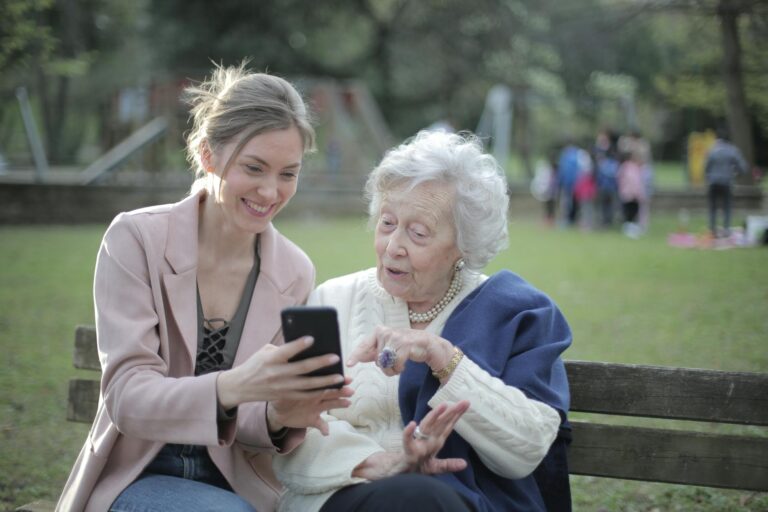
Dementia changes the way people talk and connect with their families, especially when medical topics come up. When someone in the family has dementia, it can be hard for everyone to understand each other, and this gets even more difficult when doctors or nurses are involved. The person with dementia may not remember words, may get confused about what is being said, or may not be able to express their feelings clearly. Family members often feel unsure about how to explain medical information or how to help their loved one understand what is happening to them. This can lead to stress, misunderstandings, and sometimes even arguments within the family.
One of the main problems is that dementia affects language processing. As the disease progresses, people with dementia find it harder to understand long or complicated sentences. They may not be able to follow a conversation about medical tests, treatments, or changes in their health. Instead, they rely more on tone of voice, facial expressions, body language, and touch to make sense of what is being said[3]. For example, if a doctor talks in a calm and gentle way, the person with dementia might feel comforted, even if they do not fully understand the words. On the other hand, if the tone is rushed or harsh, they might feel scared or upset, even if the words are meant to be helpful[3].
Family members often struggle with how to explain medical information in a way that their loved one can understand. Using simple words and short sentences is important. It is also helpful to speak slowly and clearly, and to give the person time to respond. Sometimes, it is better to use pictures, gestures, or written notes to help explain things. For example, if a doctor says that a blood test is needed, the family might show a picture of a needle or use a toy syringe to demonstrate what will happen. This can make the situation less frightening and easier to understand[5].
Another challenge is that people with dementia may not be able to give informed consent for medical treatments. Informed consent means that a person understands the risks and benefits of a treatment and agrees to it freely. But as dementia gets worse, the person may not be able to understand complex medical information or make decisions about their care. This can be a difficult situation for families, who may have to make decisions on behalf of their loved one. Doctors and nurses need to work closely with families to make sure that the person with dementia is treated with respect and dignity, and that their wishes are taken into account as much as possible[7].
Communication problems can also lead to emotional distress for both the person with dementia and their family. Family caregivers often feel guilty, anxious, or overwhelmed when they cannot explain things clearly or when their loved one does not understand what is happening. They may worry that they are not doing enough or that they are making things worse. This can lead to feelings of isolation and burnout, especially if there is not enough support from doctors, nurses, or other family members[1].
Research shows that the stress of caregiving can have serious effects on the health of family members. Caregivers of people with dementia often experience emotional exhaustion, anxiety, depression, and social withdrawal. The stress can even cause physical changes in the body, such as shorter telomeres, which are structures that protect the ends of chromosomes. Shorter telomeres are linked to faster aging and a higher risk of heart disease. This means that the stress of caregiving is not just a mental health issue, but a physical health issue as well[2].
One of the biggest challenges for families is finding ways to cope with these problems. Some families seek out information and education about dementia and communication. They may attend support groups, read books, or talk to doctors and nurses about how to communicate better. Others use technology, such as apps or online resources, to help them understand medical information and share it with their loved one. Some families also use emotional support from friends, relatives, or professional counselors to help them deal with the stress of caregiving[1].
Despite these efforts, many families still feel that their needs are not being met. They may not have access to enough information about dementia, or they may not have enough time to attend support groups or talk to doctors. Some families also face cultural barriers, such as stigma around talking about emotions or the pressure to care for their loved one without asking for help. These barriers can make it even harder to communicate about medical issues and to get the support that is needed[1].
In some cases, families may need to work with doctors and nurses to find creative ways to communicate. For example, they might use simple language, pictures, or gestures to explain medical information. They might also ask doctors to repeat things or to write down important information. Some families also use assistive technology, such as tablets or smartphones, to help their loved one understand what is happening. These tools can make communication easier and less stressful for everyone involved[1].
It is also important for doctors and nurses to listen to families and to take their concerns seriously. Families know their loved one best, and they can often provide valuable insights into how to communicate effectively. Doctors and nurses should work with families to develop a plan that respects the person with dementia and meets the needs of the family. This might include regular meetings, written information, or access to support services[1].
In many cases, families also need emotional support to help them cope with the challenges of dementia and communication. This might include counseling, support groups, or peer support from other families who are going through similar experiences. Emotional support can help families feel less isolated and more confident in their ability to care for their loved one[1].
Overall, dementia makes communication with family more difficult, especially when medical topics are involved. Families need clear, simple information, emotional support, and practical tools to help them communicate effectively. Doctors and nurses play an important role in supporting families and helping them navigate the challenges of dementia and communication. By working together, families and healthcare professionals can help people with dementia feel understood, respected, and supported[1][2][3][5][7].
References
[1] https://pmc.ncbi.nlm.nih.gov/articles/PMC12577227/
[2] https://news.emory.edu/stories/2025/11/hs_alzheimers_caregivers_03_11_2025/story.html
[3] https://empoweredendings.com/alzheimers-dementia-care/
[5] https://www.uab.edu/nursing/news/news-you-can-use/supporting-family-living-with-dementia
[7] https://alz-journals.onlinelibrary.wiley.com/doi/full/10.1002/alz.70962