Dementia can indeed cause people to confuse relatives, especially when medical topics or situations are involved. This confusion arises because dementia affects brain functions related to memory, recognition, and understanding, which are critical for correctly identifying people and processing complex information such as medical discussions.
Dementia is a broad term describing a decline in cognitive abilities severe enough to interfere with daily life. It affects memory, thinking, behavior, and the ability to recognize familiar people, including relatives. One common symptom is difficulty recognizing or confusing family members, which can become more pronounced when the person with dementia is stressed, anxious, or confronted with complex or unfamiliar information, such as medical issues[4][3].
Medically, dementia damages specific brain areas responsible for memory and perception, such as the temporal and parietal lobes. This damage impairs short-term memory and judgment, leading to confusion about who people are, even close relatives. For example, a person with dementia might mistake a caregiver for a family member or confuse one relative for another[3]. This is not simply forgetfulness but a neurological impairment in processing and recalling faces and relationships.
When medical topics are discussed, the confusion can intensify. Medical information often involves unfamiliar terminology, abstract concepts, and emotional stress, all of which can overwhelm someone with dementia. The brain’s impaired circuits may cause the person to misinterpret or forget details, leading to further confusion about who is involved or what is happening[5]. For instance, a person might not remember that a doctor or nurse is a professional helper and instead confuse them with a relative or stranger.
Additionally, dementia can cause delusions and paranoia, especially in the middle to late stages. These symptoms may cause the person to suspect relatives of wrongdoing or to believe that familiar people are imposters (a phenomenon known as Capgras syndrome)[5]. Such delusions can exacerbate confusion and mistrust toward family members during medical discussions or care.
Confusion in dementia is also influenced by other factors such as infections, medication side effects, dehydration, or changes in environment, which can worsen cognitive function temporarily or permanently[1][2]. For example, delirium—a sudden, severe confusion often caused by illness or medication—can occur alongside dementia, making recognition of relatives even more difficult[2].
Communication difficulties are another important aspect. Dementia can cause aphasia, which impairs the ability to find words, understand speech, or follow conversations[6]. When medical information is presented, the person may struggle to comprehend or respond appropriately, increasing confusion about who is speaking or what is being discussed.
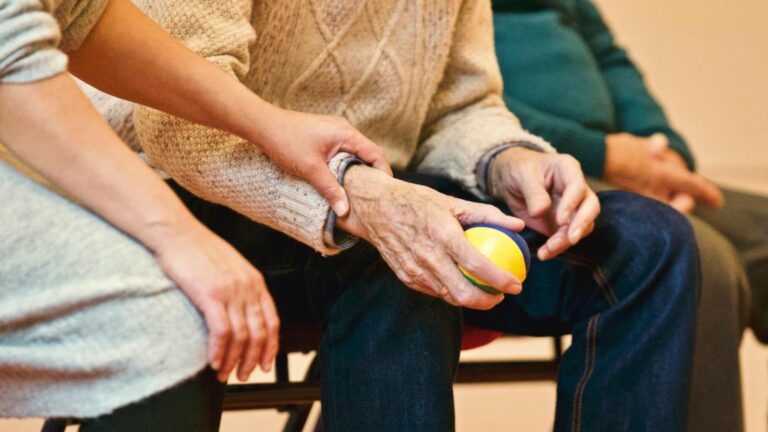
Families and caregivers can help by maintaining familiar routines, using clear and simple language, and providing reassurance. Creating a calm environment with minimal distractions helps reduce anxiety and confusion. Physical reassurance such as hand-holding or gentle touch can be more effective than verbal explanations alone[3]. Avoiding confrontation and redirecting the person gently when they confuse relatives is recommended to reduce distress[3].
In summary, dementia causes confusion about relatives because it impairs memory, recognition, and comprehension, especially under the stress of medical discussions. This confusion is a direct result of brain changes caused by dementia and can be worsened by other medical conditions or environmental factors. Understanding these mechanisms helps caregivers provide better support and patience when such confusion occurs.
Sources:
[1] Understanding What Causes Confusion in Seniors – HBRHC
[2] Delirium vs Dementia: Key Differences Every Caregiver Should Know – A Place at Home
[3] Understanding Dementia Stages: A Medical Guide for Families – Kites Senior Care
[4] Alzheimer’s Disease: Everything You Need to Know – Dementia Australia
[5] Is Paranoia a Sign of Dementia? Delusions and More – myALZteam
[6] Spotting Early Signs That Could Be Dementia – Alzheimer’s Research UK