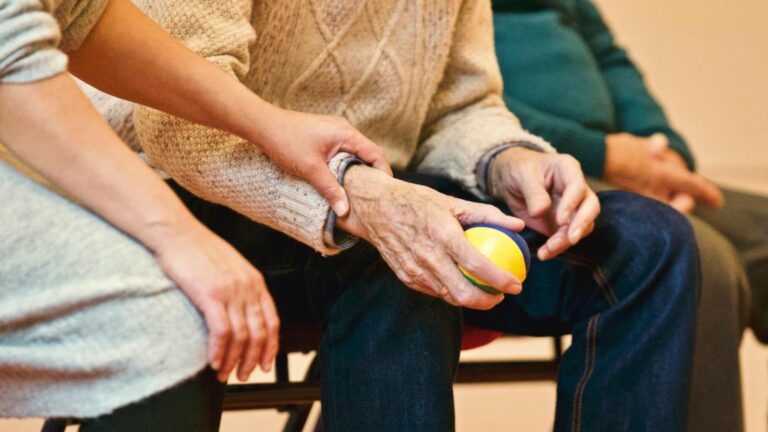
When the weather gets cold, especially as the days get shorter and the air feels sharper, many people notice that their knuckles start to hurt. This is not just something you imagine. Lots of people feel this way, and there are real reasons why cold weather can make your knuckles ache. If you have ever wondered why your fingers feel stiff or sore when the temperature drops, you are not alone. The answer involves how your body reacts to the cold, changes in the air, and even how much you move around.
One of the main reasons knuckles hurt in cold weather is something called barometric pressure. Barometric pressure is the weight of the air pushing down on your body. When the weather changes, especially when it gets colder, this pressure goes up and down. When the pressure drops, the tissues around your joints, including your knuckles, can expand a little bit. This expansion puts extra pressure on the nerves in your joints, which can cause pain or aching. People who already have arthritis or have had injuries to their hands are often more sensitive to these changes because their joints may already be more sensitive or have less cushioning [1][3][5][7][17].
Another reason is that cold temperatures make your muscles tighten up. Your body tries to keep itself warm by making your muscles contract, which means they get tighter. When the muscles around your knuckles and fingers tighten, they can pull on the tendons and compress the spaces between your joints. This makes your knuckles feel stiff and can make moving your fingers harder. The longer your muscles stay tight, the more uncomfortable your knuckles can feel [1][5][7][9].
The fluid inside your joints, called synovial fluid, also plays a role. This fluid helps your joints move smoothly by acting like a lubricant. In cold weather, some researchers believe this fluid can get thicker, kind of like water turning into slush. When the fluid is thicker, it does not move as easily inside your joints, so your knuckles have to work harder to move. This extra effort can lead to pain and stiffness [3][5][9].
Cold weather also means people tend to move less. When it is cold outside, many people stay indoors and are less active. When you do not move your hands and fingers as much, your joints can get stiff and the muscles that support them can weaken. Less movement also means the fluid in your joints does not circulate as well, which can make stiffness and discomfort worse [1][5][9].
For people with arthritis, especially osteoarthritis or rheumatoid arthritis, cold weather often makes symptoms worse. Arthritis causes inflammation in the joints, and cold weather can increase this inflammation. When inflammation goes up, so does pain and swelling. People who have had old injuries to their hands or knuckles may also notice more pain when the weather gets cold, because those areas are already more sensitive [5][13][15].
Fibromyalgia is another condition that can make joint pain worse in cold weather. People with fibromyalgia often have increased pain sensitivity, and cold weather can make this worse. The combination of lower temperatures, changes in pressure, and less movement can all add up to more discomfort in the knuckles and other joints [5].
Reduced blood flow is another factor. When it is cold, your body tries to keep your core warm by sending less blood to your hands and feet. This means your knuckles get less blood, which can make them feel stiff and achy. Less blood flow also means your joints do not get as much oxygen and nutrients, which can make them feel worse [7].
Humidity and dampness can also play a role. Some people notice that their knuckles hurt more when the weather is not just cold but also damp or rainy. Changes in humidity, along with temperature and pressure, can all affect how your joints feel [15].
If you want to feel better, there are things you can do. Staying warm is important. Wearing gloves or mittens can help keep your hands warm and reduce stiffness. Moving your fingers and hands regularly, even when you are indoors, can help keep your joints flexible and your muscles strong. Gentle exercises, like squeezing a stress ball or stretching your fingers, can make a difference [1][5][9].
Staying active in general is also helpful. Even if you do not want to go outside, simple activities like walking around the house, doing light housework, or stretching can keep your joints moving and reduce stiffness. If you have arthritis or another condition that makes your knuckles hurt, talking to a doctor can help you find the best ways to manage your symptoms [5][13][15].
In short, knuckle pain in cold weather is a real thing that many people experience. It happens because of changes in air pressure, muscle tension, thickening of joint fluid, less movement, increased inflammation, and reduced blood flow. People with arthritis, old injuries, or fibromyalgia may feel it more, but anyone can notice some discomfort when the weather gets cold. Taking steps to stay warm and keep moving can help reduce the pain and stiffness in your knuckles.
Sources
[1] https://functionsmart.com/cold-weather-joint-pain-why-november-makes-everything-ache/
[3] https://twincitiespainclinic.com/why-do-my-joints-ache-when-it-gets-cold/
[5] https://www.summithealth.com/health-wellness/why-do-my-joints-hurt-cold-weather-understanding-winter-pain
[7] https://www.mediciortho.com/post/arthritis-in-autumn-managing-joint-stiffness-as-temperatures-drop
[9] https://www.orthopedicsurgeonnyc.com/blog/why-osteoarthritis-feels-worse-in-winter-and-what-you-can-do-about-it/
[13] https://nabjc.com/posts/cold-weather-and-your-joints-what-you-need-to-know/
[15] https://www.goodrx.com/conditions/arthritis/does-cold-weather-affect-arthritis
[17] https://www.discovermagazine.com/is-there-a-hidden-connection-between-bad-weather-and-achy-joints-48236/