Supratentorial is a term doctors use when talking about the brain and MRI scans. It means the area above a membrane called the tentorium cerebelli. This membrane separates the top part of the brain from the lower part. The supratentorial region includes the cerebrum, which is the largest part of the brain and controls things like thinking, movement, and senses.
When a doctor says a tumor or lesion is supratentorial, it means it is located in the upper part of the brain, not in the cerebellum or brainstem. This is important because different parts of the brain can have different types of problems. For example, most brain tumors in adults are found in the supratentorial area. In children, tumors are more often found in the lower part, which is called infratentorial.
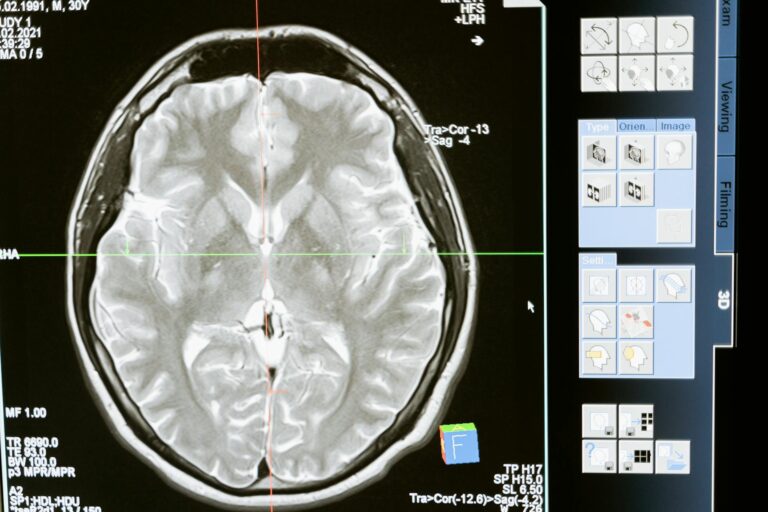
On an MRI, supratentorial structures are easy to see. The scan shows the cerebrum, the ventricles, and any abnormalities like tumors, cysts, or blood vessel problems. Doctors look at the shape, size, and how the tissue appears on different MRI sequences to understand what might be going on. Sometimes, swelling or fluid buildup around a lesion in the supratentorial area can also be seen, which helps with diagnosis and planning treatment.
Supratentorial is not just about tumors. It can also refer to other conditions like bleeding, infections, or malformations. For example, a cavernous malformation, which is a cluster of abnormal blood vessels, can be supratentorial if it is in the cerebrum. The location helps doctors decide the best way to treat the problem, whether it is surgery, medication, or monitoring.
Sources
https://int.livhospital.com/what-does-brain-cancer-look-like-on-an-mri/
https://pmc.ncbi.nlm.nih.gov/articles/PMC12596198/
https://www.britannica.com/science/death/Mechanisms-of-brain-stem-death
https://www.stroke-manual.com/cavernous-malformation/
https://en.wikipedia.org/wiki/Craniotomy
https://www.cureus.com/articles/422575-surgical-experience-of-supratentorial-meningiomas-without-preoperative-embolization-in-a-low-income-country-a-retrospective-observational-study