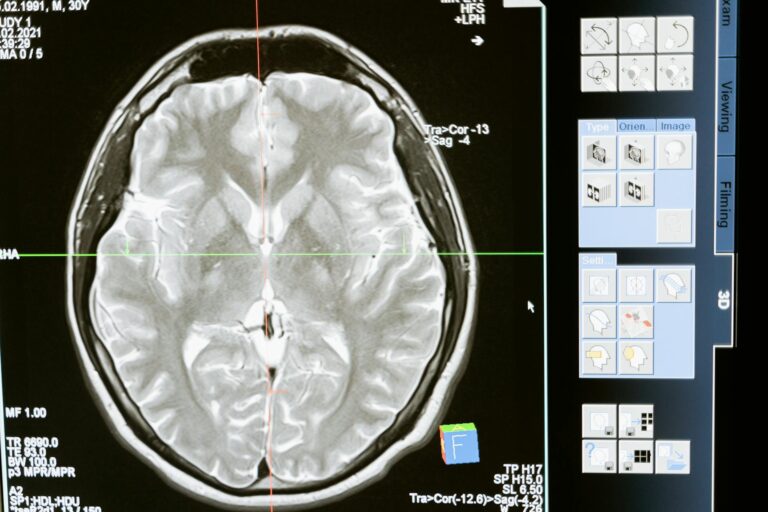
Sudden confusion in elderly people can be alarming for both the person experiencing it and their loved ones. Unlike the gradual decline associated with dementia, sudden confusion often appears quickly and may come and go throughout the day. Understanding what causes this confusion is crucial because many of the underlying reasons are treatable.
One of the most common culprits behind sudden confusion in older adults is delirium, which is a state of acute confusion that accompanies a severe illness or medical condition. Delirium is strongly associated with worse health outcomes and is often missed by hospital staff, particularly when it presents as the “quiet” type where a person becomes withdrawn rather than agitated. The tricky part about delirium is that it tends to fluctuate. A person might seem perfectly clear-minded in the morning but become completely confused by evening, a pattern sometimes called “sundowning.”
Infections are a leading cause of sudden confusion in elderly people. Urinary tract infections deserve special attention because they don’t always show typical symptoms like pain or fever in seniors. Instead, a UTI might present as sudden confusion, agitation, or disorientation. Other infections can also trigger acute confusion by affecting the brain’s function.
Dehydration is another frequent trigger that caregivers and healthcare providers should watch for. Even mild dehydration can cause confusion in vulnerable older adults. Similarly, electrolyte imbalances and problems with blood glucose levels, whether too high or too low, can rapidly affect mental clarity.
Medication issues play a significant role in sudden confusion. New medications or changes to existing prescriptions can cause confusion as a side effect. Additionally, abruptly stopping a medication that a person has been taking regularly can also trigger acute confusion. Certain medications, particularly those with anticholinergic properties, are especially problematic for older brains.
Pain that goes untreated can contribute to confusion and agitation. When an elderly person cannot communicate their pain effectively or when pain is overlooked, it can manifest as confusion rather than clear complaints of discomfort. Constipation and urinary retention are also surprisingly common causes that should not be overlooked.
Sleep deprivation and disrupted sleep patterns can significantly worsen confusion in older adults. Hospital environments, with their noise, lights, and constant activity, often interfere with sleep and can trigger or worsen confusion.
Environmental stress and unfamiliar surroundings can be powerful triggers. Moving to a new location, hospitalization, or even changes in routine can push a vulnerable older person into confusion. For those with existing dementia or cognitive impairment, the stress and unfamiliarity of a hospital setting alone may be enough to cause increased confusion.
Sensory impairments should not be underestimated. Uncorrected vision problems or hearing loss can contribute to confusion by making it harder for an older person to understand their surroundings and communicate effectively.
Other medical conditions can also cause sudden confusion. Thyroid problems, vitamin B12 deficiency, depression, and kidney or liver problems are all potential underlying causes. Sepsis, a severe systemic infection, can cause what doctors call sepsis-associated encephalopathy, which results in confusion and altered mental status.
It is important to understand that sudden confusion in an elderly person is often a sign that something treatable needs attention. Unlike dementia, which develops gradually over time, delirium and acute confusion typically appear suddenly and may improve once the underlying cause is identified and treated. This is why seeking medical evaluation promptly is so important. A healthcare provider can help determine whether the confusion stems from an infection, medication issue, metabolic problem, or other medical condition that requires treatment.
Caregivers should pay attention to any sudden changes in an older person’s mental state and report these changes to a doctor as soon as possible. Early diagnosis and treatment of the underlying cause can help restore the person’s mental clarity and prevent serious complications.
Sources
https://betterhealthwhileaging.net/hospital-delirium-what-to-do/
https://optoceutics.com/sudden-worsening-of-dementia-symptoms-signs-getting-sudden-alzheimer/
https://en.wikipedia.org/wiki/Delirium
https://me.health.gov.il/en/older-adult/keep-me-healthy/common-conditions/delirium/
https://www.myalzteam.com/resources/is-paranoia-a-sign-of-dementia-delusions-and-more
https://aplaceathome.com/newton-ma/delirium-vs-dementia-key-differences-every-caregiver-should-know/