Confusion at night in dementia is a real challenge that many families face. When the sun goes down, people with dementia often become more confused, agitated, and restless. This nighttime confusion can make evenings difficult for both the person with dementia and their caregivers.
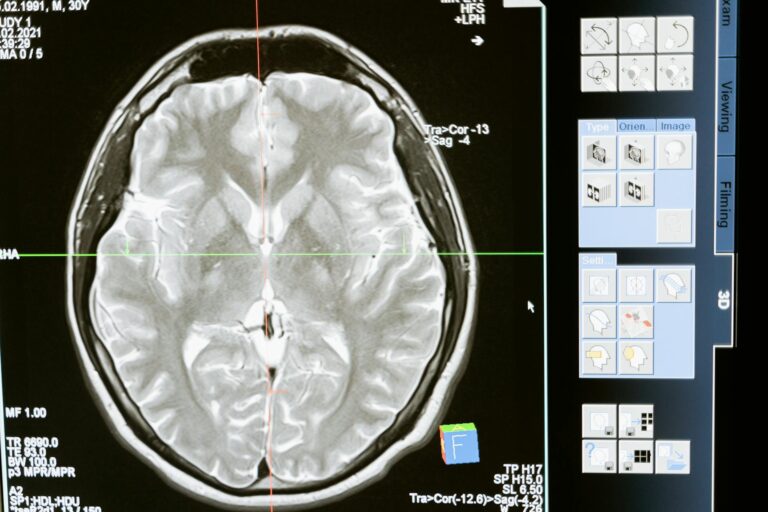
The brain changes that come with dementia are at the heart of this problem. Dementia damages specific parts of the brain that control sleep and wake cycles. The hypothalamus and suprachiasmatic nucleus are two areas that get affected. These brain regions normally help regulate when we feel sleepy and when we feel awake. When they are damaged, the body loses its ability to tell the difference between day and night.
One major reason for nighttime confusion is that the brain stops producing enough melatonin. Melatonin is a natural hormone that tells your body when it is time to sleep. Without enough melatonin, people with dementia struggle to fall asleep and stay asleep. Their internal clock, also called the circadian rhythm, gets disrupted. This means they might feel wide awake at midnight but exhausted at noon.
Fatigue plays a big role in nighttime confusion. Many people with dementia experience extreme tiredness during the day. They might sleep 14 hours or more and still wake up feeling exhausted. This daytime fatigue can make them irritable and confused when evening arrives. It is similar to how a small child becomes cranky and difficult when they are overtired past their bedtime.
The fading light as the sun sets can trigger confusion in people with dementia. When it gets dark outside, shadows appear in rooms. These shadows can be confusing and even frightening to someone whose brain is already struggling to process information correctly. In fall and winter months, when days are shorter and nights are longer, this problem gets worse. People with dementia may have trouble telling 6 in the morning from 6 in the evening because both times are dark.
Pain, depression, and boredom also contribute to nighttime confusion. If someone is uncomfortable or sad, they are more likely to become agitated and confused when evening arrives. Lack of stimulation during the day can make nighttime confusion worse. Additionally, hunger, thirst, and overstimulation from too much noise or activity in the afternoon can trigger confusion later.
Medications can sometimes make nighttime confusion worse. Some seniors take many different medications, and the side effects can interfere with sleep and increase confusion. Medical conditions like sleep apnea or other sleep disorders can also play a role.
The shift from day to night is particularly hard on people living in care facilities. The change in staff, the sounds of the building, and the loss of control over their environment can all trigger confusion. Some research suggests that the timing of staff shift changes might even contribute to the problem.
It is important to understand that nighttime confusion is not something the person with dementia is choosing or can control. Their brain is damaged in ways that make it genuinely difficult for them to sleep normally and stay oriented at night. This is a symptom of the disease itself, just like memory loss or difficulty thinking clearly.
Sources
https://caringseniorservice.com/blog/sundowning/
https://www.myalzteam.com/resources/fatigue-and-alzheimers
https://smart.dhgate.com/why-dementia-symptoms-worsen-at-night-sundowning-explained/
https://www.alzheimers.org.uk/blog/supporting-people-with-dementia-when-the-clocks-change
https://seniorlivinglss.com/blog/what-is-sundowners-syndrome/