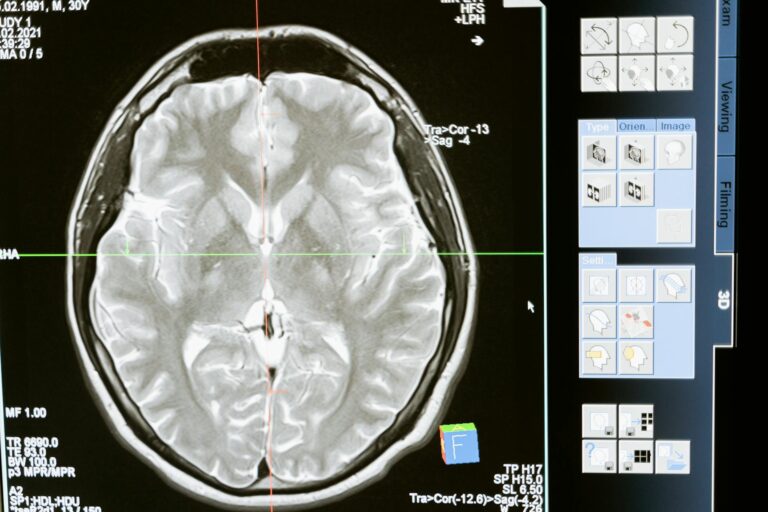
Simple fitness plans can indeed support brain longevity by helping maintain cognitive function and reducing the risk of dementia and Alzheimer’s disease. Regular physical activity, even at moderate levels, has been shown to slow cognitive decline and promote brain health.
Research indicates that people who exercise regularly are less likely to experience cognitive decline. For example, a long-term study tracking older adults found that those who moved more scored better on memory and thinking tests, which are key indicators of brain health. Exercise helps reduce the risk of Alzheimer’s and other dementias by improving blood flow, lowering stroke risk factors like high blood pressure and blood sugar, and promoting neuroplasticity—the brain’s ability to adapt and learn throughout life. Aerobic exercises such as walking, swimming, or cycling are particularly beneficial, as they have been linked to increased volume in the hippocampus, the brain area responsible for memory and learning[1].
A recent study published in Nature Medicine found that even low to moderate physical activity, such as walking 5,000 to 7,500 steps a day, can slow cognitive decline by about half in people showing early signs of Alzheimer’s. This activity was associated with a slower buildup of tau protein in the brain, which is believed to play a direct role in brain cell damage and dementia progression. Interestingly, exercise did not affect beta-amyloid levels, another protein linked to Alzheimer’s, but its impact on tau suggests a protective mechanism against cognitive decline[2][5].
Experts recommend aiming for about 150 minutes of moderate exercise per week, combining aerobic activities with strength training to maximize brain benefits. This level of activity has been shown to reduce the risk of Alzheimer’s by up to 50% and help maintain cognitive fitness with age. Women between 40 and 60 who exercise regularly show significant reductions in memory loss and cognitive decline. Additionally, improving sleep quality through exercise further supports brain health[3][1].
While aerobic exercise is often emphasized, some research suggests that other forms of exercise may also protect brain regions from degeneration and slow dementia progression, offering a drug-free approach to brain longevity[4].
Sources
https://health.clevelandclinic.org/exercise-and-brain-health
https://www.statnews.com/2025/11/03/exercise-slows-alzheimers-progression-journal-nature-medicine-study/
https://alzheimersprevention.org/alzheimers/pillar-3-exercise-brain-aerobics/
https://timesofindia.indiatimes.com/life-style/health-fitness/not-cardio-but-this-is-the-best-exercise-for-the-brain-and-can-even-slow-down-cognitive-decay-says-longevity-expert/articleshow/125297836.cms
https://www.nature.com/articles/s41591-025-03955-6