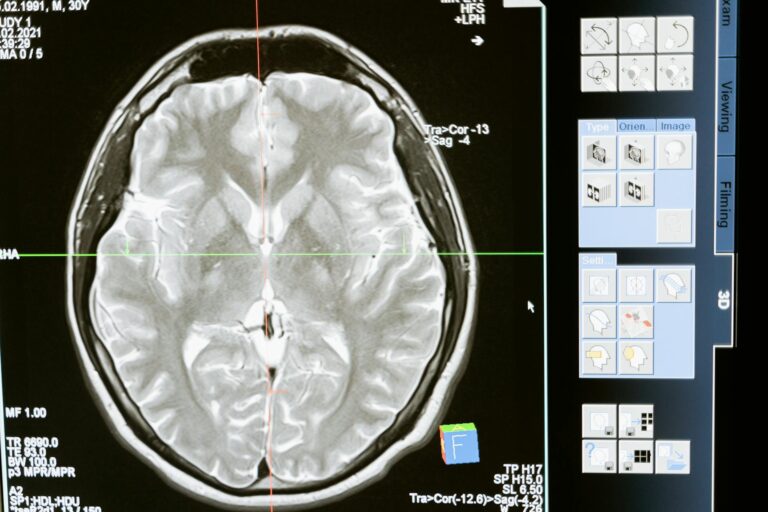
Music-based movement can improve the brain-body connection by enhancing coordination, timing, and communication between neural and muscular systems. When people move to music, especially music with a strong, clear rhythm or groove, it activates brain areas involved in motor control, such as the basal ganglia and putamen, which help regulate movement and timing. This activation supports better synchronization of body parts during movement, leading to more coordinated and efficient physical activity.
Studies show that high-groove music, which has a compelling rhythm, increases coordination between joints and improves the coupling of trunk and limb movements. This suggests that music with a strong beat can reorganize neuromuscular control strategies, making movements smoother and more connected. Adaptive music technologies that adjust tempo and rhythm in real time to match a person’s movement can boost motivation and performance during exercise, helping people sustain physical activity longer and with greater enjoyment.
Music also engages multiple brain regions beyond motor areas, including those involved in emotion, memory, and attention. This broad engagement can reduce stress and improve mood, which further supports better movement and body awareness. For example, rhythmic music has been used to help Parkinson’s patients improve gait and reduce tremors by facilitating motor timing and coordination.
Playing music, not just listening, requires complex brain functions such as fine motor skills, timing, and emotional expression, which can strengthen the brain-body connection even more. Group music-making activities, like drumming circles or ensemble playing, also promote social connection and synchronized movement, enhancing overall brain and body integration.
In summary, moving to music—especially music with a clear rhythm or groove—can improve how the brain and body work together by enhancing motor coordination, timing, and motivation. Personalized and adaptive music systems show promise in making these benefits more accessible and effective for exercise and rehabilitation.
Sources
https://neurosciencenews.com/adaptive-music-neurotech-exercise-29909/
https://pmc.ncbi.nlm.nih.gov/articles/PMC12595761/
https://neurofitbraincentre.com.au/music-brain-waves/
https://www.colorado.edu/atlas/minds-rhythm
https://www.thehelpgroup.org/the-power-of-everyday-music-insights-from-cognitive-neuroscientist-dr-assal-habibi/
https://www.news-medical.net/news/20251107/Real-time-personalized-music-enhances-emotional-experience-and-performance.aspx