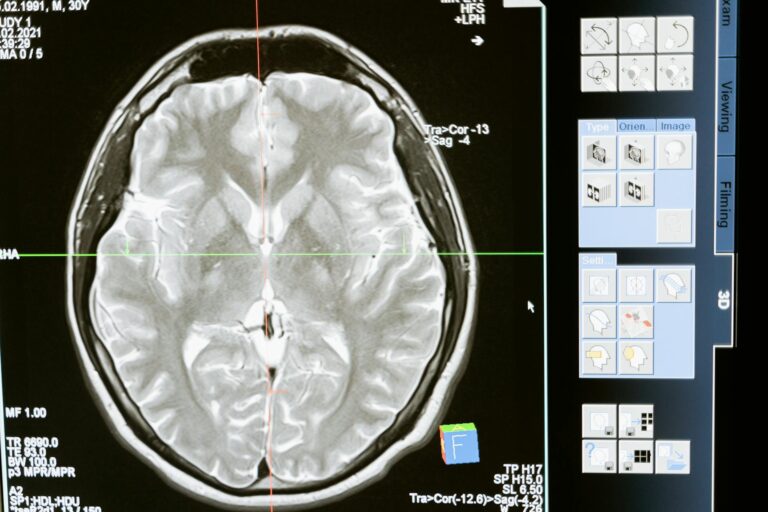
Purposeful tasks can play a significant role in supporting identity for people living with dementia. Engaging in meaningful activities helps maintain a sense of self by connecting individuals to their past experiences, skills, and personal interests. This connection fosters dignity, autonomy, and emotional well-being even as cognitive abilities decline.
Research and practical approaches in dementia care emphasize the importance of person-centered activities tailored to the individual’s history and preferences. For example, Montessori-based memory care programs focus on what a person can still do, offering tasks that reflect their life skills and identity. These tasks provide opportunities for accomplishment and reinforce a sense of purpose, which can reduce feelings of frustration and helplessness often associated with dementia[4][6].
Meaningful engagement also supports cognitive and emotional health. Activities such as music, creative arts, gentle exercise, and social interaction stimulate the brain and encourage connection with others. Cognitive Stimulation Therapy, which uses themed activities to promote thinking and memory, has shown benefits in improving quality of life for people with mild to moderate dementia[3]. Additionally, familiar routines and purposeful tasks help create predictability and comfort, which are important for emotional stability[5].
The role of caregivers and professionals is crucial in identifying and facilitating these purposeful tasks. Since dementia can impair motivation and the ability to recognize one’s own needs, support from others helps tailor activities to the person’s current abilities and interests. This individualized approach not only enhances engagement but also strengthens the person’s sense of self-efficacy and identity[2].
In summary, purposeful tasks are more than just activities; they are a way to affirm identity, promote dignity, and improve the overall well-being of people living with dementia. By focusing on abilities rather than losses, these tasks help maintain a connection to the person’s unique life story and foster meaningful relationships with caregivers and community.
Sources
https://btpl.org/review/memory-identity-and-hope/
https://pmc.ncbi.nlm.nih.gov/articles/PMC12595687/
https://lovettcare.co.uk/guides/activities-that-support-wellbeing-in-people-with-dementia
https://seniorhousingnews.com/2025/11/12/kisco-senior-living-draws-on-brain-health-research-for-new-memory-care-program/
https://mdseniorwellness.com/design-for-life-a-day-with-purpose-the-art-and-science-of-person-centered-engagement-at-aroha-memory-care/
https://maryannmorse.org/2025/11/05/memory-care-team-achieves-iccdp-certification-in-montessori-method-applied-to-dementia/