# Can Healthy Fats Improve Long Term Memory Storage
Your brain is roughly 60 percent fat. This fact alone tells you something important: the fats you eat matter for how your brain works. But the relationship between dietary fat and memory is more complicated than it might seem at first glance.
## The Fat and Memory Connection
Research shows that not all fats affect your memory the same way. Scientists have discovered that the type of fat you consume plays a crucial role in whether your memory improves or declines. When researchers studied mice on high-fat diets, they found something interesting happening in the hippocampus, the part of the brain responsible for forming new memories. The nerve cells in this region began to overfire, which scrambled the normal patterns needed for storing memories properly.[1]
However, the real culprit behind memory problems was not the fat itself. Instead, it was the inflammation that resulted from consuming certain types of fats. When researchers blocked a specific inflammatory molecule called interleukin-1 beta, they were able to prevent the memory loss, even though the mice continued eating the high-fat diet.[1] This discovery changed how scientists think about fat and brain health.
## Healthy Fats vs. Unhealthy Fats
The distinction between healthy and unhealthy fats is critical. A well-designed ketogenic diet that focuses on extra-virgin olive oil, nuts, seeds, avocado, eggs, and fish tends to support brain health rather than harm it.[1] These foods contain the kinds of fats your brain actually needs.
Salmon stands out as one of the best sources of omega-3 fatty acids, which are essential for brain health. These healthy fats enhance the structure of brain cells, improving their function and leading to better cognition and memory.[2] Avocados are rich in monounsaturated fats that contribute to healthy blood flow, which your brain needs to work effectively. They also contain vitamin K and folate, which help prevent blood clots in the brain and improve cognitive function, particularly memory and concentration.[2]
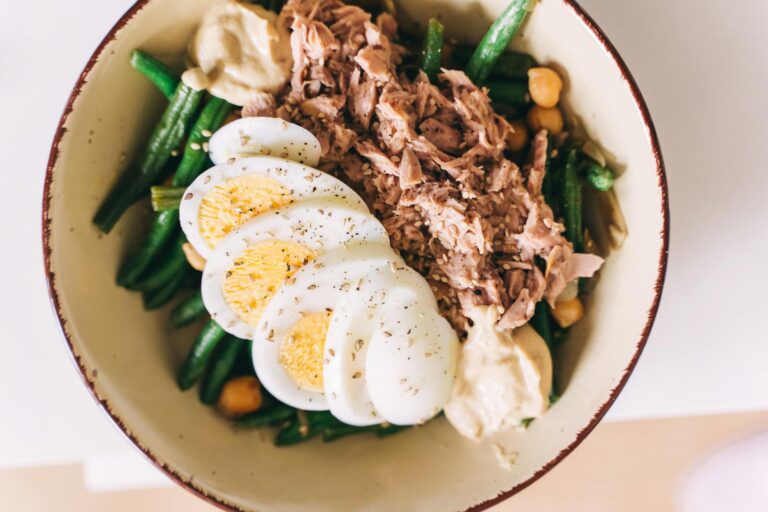
Extra virgin olive oil is packed with powerful antioxidants called polyphenols that help protect the brain against damage and oxidative stress, promoting brain health and function.[2] Nuts provide healthy fats, antioxidants, and vitamin E that protect brain cells and provide steady energy.[2] Eggs contain vitamins B6 and B12, folate, and choline, which support mood regulation and memory.[2]
## The Problem With Processed Fats
The real problem emerges when you consume high-fat diets made up of processed foods, fried foods, and fast food. A 60 percent fat diet consisting of these ultra-processed items is very different from a well-formulated ketogenic diet.[1] Western, ultra-processed high-fat patterns can raise inflammation and impair the memory functions that depend on the hippocampus.[1]
Research has shown that even short periods of eating high-fat processed foods can worsen memory in people at risk for Alzheimer’s disease.[1] The inflammation triggered by these unhealthy fats appears to be the mechanism behind the memory decline.
## Reversing Memory Loss
One of the most encouraging findings from recent research is that memory loss from high-fat diets can be reversed. Scientists discovered that by increasing glucose in the brain, they could reverse memory loss even when the high-fat diet continued.[1] This suggests that the damage is not permanent and that interventions targeting the underlying mechanisms can help restore memory function.
## The Broader Picture
Beyond individual fats, the overall dietary pattern matters significantly. The MIND diet, which combines Mediterranean and DASH diet principles, has been identified as one of the most beneficial dietary patterns for brain health. This diet is rich in fruits, vegetables, whole grains, high-quality proteins like fish and poultry, and unsaturated fats.[3] Research shows that adherence to the MIND diet is associated with reduced risk of dementia, stroke, depression, and anxiety, as well as better cognitive performance.[3]
The protective effects of healthy dietary patterns work through multiple pathways. A favorable metabolic signature explains a substantial proportion of the reduced risk for stroke and depression, while slower biological aging significantly mediates the reduced risk of dementia.[3]
## What This Means For Your Memory
The evidence suggests that healthy fats can indeed improve long-term memory storage, but only when they come from whole food sources and are part of a balanced diet. Your brain needs fats to function properly, but it needs the right kinds of fats. Omega-3 rich foods like salmon, monounsaturated fats from avocados and olive oil, and the nutrients found in nuts and eggs all support the brain structures and processes involved in memory formation and storage.
The key is avoiding the ultra-processed, high-fat foods that trigger inflammation in your brain. When you choose clean, minimally processed fat sources and combine them with plenty of vegetables, whole grains, and quality proteins, you create an environment where your brain can form and store memories more effectively.
## Sources
https://www.organicauthority.com/energetic-health/side-effects-of-a-keto-diet