Can Anti Inflammatory Diets Lower Alzheimer’s Risk
Eating the right foods can make a big difference in how our brains age. Scientists have found that diets which help reduce inflammation in the body may also lower the risk of Alzheimer’s disease. Inflammation is the body’s way of fighting off infection, but when it stays active for too long, it can harm healthy cells, including those in the brain. This kind of long-term inflammation is linked to many health problems, including Alzheimer’s.
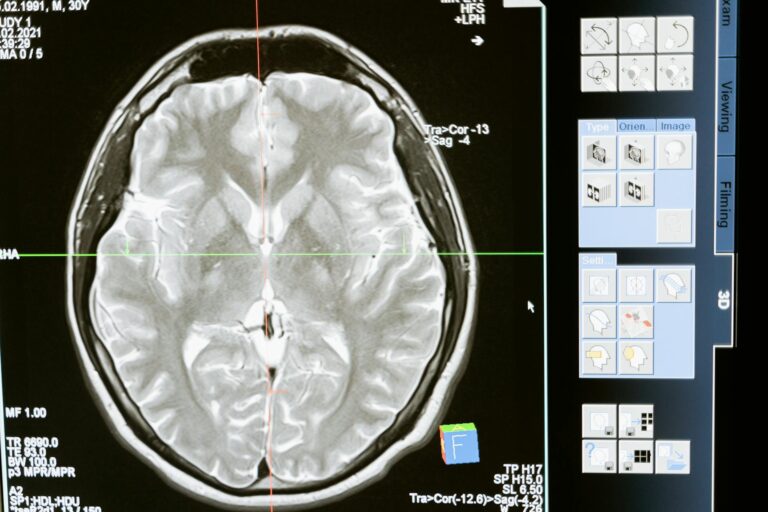
Research shows that people who eat a lot of foods that cause inflammation, like processed meats, sugary snacks, and refined carbs, are more likely to have memory problems and a higher risk of dementia. Brain scans of these individuals often show signs of faster aging, such as shrinking brain tissue and enlarged ventricles. On the other hand, those who eat more foods that fight inflammation tend to have healthier brains and a lower risk of Alzheimer’s.
The Mediterranean diet and the MIND diet are two eating plans that are especially good at reducing inflammation. Both diets focus on plant-based foods, healthy fats, and lean proteins. They include lots of leafy greens, berries, nuts, seeds, whole grains, legumes, and fatty fish like salmon. Olive oil is a key ingredient, and foods like garlic and onions are encouraged for their anti-inflammatory properties. These foods are rich in fiber, antioxidants, and healthy fats, all of which help protect brain cells from damage.
Studies have found that people who stick to these diets, even if not perfectly, have a lower risk of cognitive decline and Alzheimer’s. For example, one large study showed that following the MIND diet, even moderately, can reduce the risk of Alzheimer’s. Another study found that a diet high in polyphenols, which are plant compounds found in foods like walnuts, green tea, and leafy greens, may slow down brain aging. These foods help manage blood sugar, reduce inflammation, and support healthy blood vessels in the brain.
Flavonoid-rich foods, such as berries, apples, oranges, and black tea, are also linked to healthier aging. People who eat more of these foods tend to have a lower risk of frailty, impaired physical function, and poor mental health. Flavonoids are known for their ability to reduce inflammation and support healthy blood vessels, which are important for brain health.
While no single diet can guarantee protection against Alzheimer’s, making healthy food choices can have a positive impact on brain health. Eating more anti-inflammatory foods and cutting back on processed and sugary foods is a simple step that can help reduce the risk of Alzheimer’s and support overall well-being.
Sources
https://beingpatient.com/anti-inflammatory-diet-brain-health-benefits/
https://pubmed.ncbi.nlm.nih.gov/41144113/
https://newsroom.clevelandclinic.org/2025/11/12/how-diet-plays-a-role-with-alzheimers-prevention
https://www.prevention.com/food-nutrition/a69166153/green-mediterranean-diet-slows-brain-aging-study/
https://www.clinicaladvisor.com/features/mediterranean-diet-alzheimer-disease/
https://www.consultant360.com/exclusive/mediterranean-diet-linked-reduced-risk-cognitive-impairment-and-dementia
https://www.health.harvard.edu/staying-healthy/flavonoid-rich-foods-may-fuel-healthier-aging
https://www.bannerhealth.com/services/alzheimers/prevention/eating-well
https://www.nature.com/articles/s41591-025-03955-6
https://www.brightfocus.org/resource/the-gut-microbiome-and-alzheimers-disease-understanding-the-connection/