Alcohol and Your Brain: What Happens When You Drink Less
Your brain is one of the most complex organs in your body, and it needs proper care to function well throughout your life. One of the most important things you can do for your long-term brain health is to pay attention to how much alcohol you consume. Recent research shows that cutting back on alcohol can have real benefits for your thinking, memory, and overall cognitive abilities as you age.
How Alcohol Damages the Brain
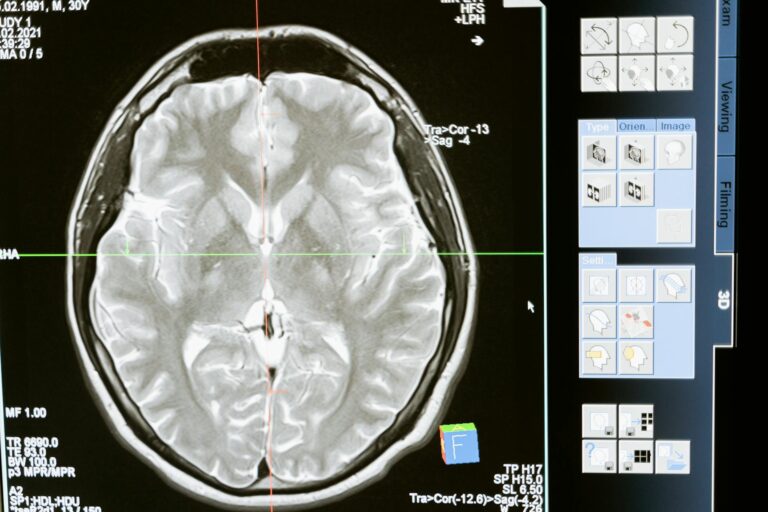
To understand why reducing alcohol matters, it helps to know what alcohol actually does to your brain. When you drink alcohol regularly, it affects the physical structure of your brain in several ways. Alcohol reduces the amount of gray matter in your brain, which is the tissue responsible for processing information. It also damages white matter, which helps different parts of your brain communicate with each other. Additionally, alcohol causes iron to build up in the brain, and this accumulation has been linked to serious conditions like Alzheimer’s disease and Parkinson’s disease.[1]
The damage happens at a cellular level too. Alcohol disrupts the mitochondria, which are like tiny power plants inside your brain cells. These mitochondria produce the energy that neurons need to work properly. When alcohol interferes with this energy production system, your brain cells struggle to function, and over time this leads to cognitive decline.[3]
The Connection Between Alcohol and Dementia
One of the most serious risks associated with heavy drinking is dementia. Research has shown that alcohol consumption is directly linked to an increased risk of developing dementia later in life.[1][2] What’s particularly important to know is that this risk exists at all levels of drinking. Even light to moderate alcohol consumption can increase your dementia risk, contrary to what some older studies suggested.[1]
Scientists used to think that moderate drinking might actually protect your brain, but newer research has revealed why those earlier studies were misleading. People who are in the early stages of dementia often naturally drink less because their condition affects their behavior. Additionally, many people who report being non-drinkers were actually heavy drinkers earlier in life who quit due to health problems. When researchers accounted for these factors, the protective effect of moderate drinking disappeared.[1]
The numbers are striking. For every threefold increase in alcohol consumption, there is a 15 percent higher lifetime risk of developing dementia.[1] If alcohol use disorder could be reduced in the population, researchers estimate that up to 16 percent of dementia cases could be prevented.[1]
Why Cutting Back Helps
The good news is that you do not have to quit alcohol completely to see benefits for your brain. Research shows that reducing your alcohol intake, even without stopping entirely, can help protect your brain health.[1] This means that if you currently drink more than you should, cutting back is a practical step you can take right now to improve your cognitive future.
When you reduce your alcohol consumption, you give your brain a chance to recover and maintain its function. Your brain has some ability to repair itself, but alcohol interferes with this natural healing process. By drinking less, you remove this interference and allow your brain to work more efficiently.
Memory and Cognitive Function
Alcohol affects memory and learning in direct ways. Chronic heavy drinking causes cognitive deficits, including memory problems that can make it harder to learn new information and retain what you already know.[4] However, research has shown that when people reduce their alcohol consumption and receive proper support, their memory function can improve significantly.[4]
In one study of people with alcohol use disorder, those who received memory training along with standard treatment showed much greater improvement in their memory and cognitive abilities compared to those who only received standard treatment.[4] This suggests that your brain can recover from alcohol-related damage when you take action to reduce drinking and support your cognitive health.
The Bigger Picture
Alcohol is one of the most commonly abused substances, and its effects on the brain are well-documented. Chronic excessive drinking is a major contributor to brain aging and neurodegeneration.[3] But the key word here is chronic and excessive. By being mindful of your alcohol consumption now, you can prevent these serious long-term problems.
Your brain is constantly working to maintain itself and repair damage. When you reduce alcohol consumption, you remove a major obstacle to this natural maintenance process. You also reduce inflammation in your brain and allow your mitochondria to function more efficiently.[3]
The research is clear: cutting back on alcohol is one of the most effective things you can do for your long-term cognitive health. Whether you are currently a heavy drinker or someone who enjoys moderate amounts of alcohol, reducing your intake can help protect your memory, thinking skills, and overall brain function as you age.
Sources
https://www.addictionpolicy.org/post/new-study-shows-even-light-alcohol-use-increases-dementia-risk
https://pmc.ncbi.nlm.nih.gov/articles/PMC12552321/
https://www.nad.com/news/nad-supplement-counters-alcohol-induced-brain-aging-according-to-new-study
https://www.frontiersin.org/journals/psychiatry/articles/10.3389/fpsyt.2025.1668684/full