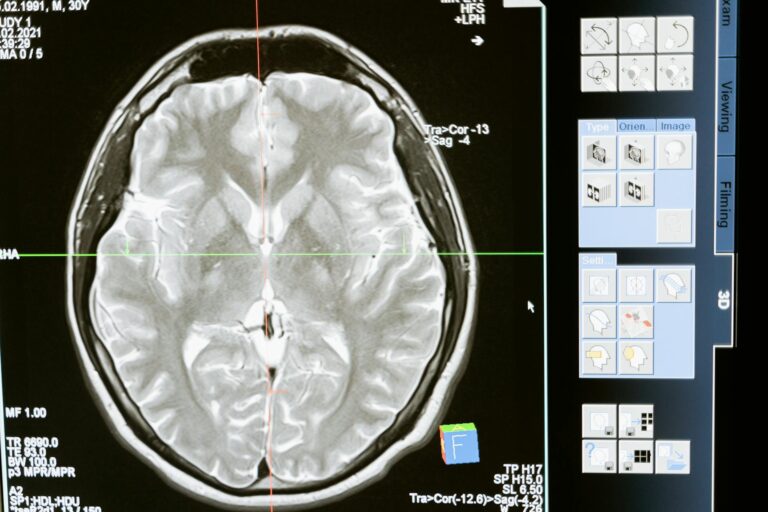
Spiritual practices can play a significant role in supporting brain and emotional health by influencing both physiological and psychological processes. Research shows that activities such as meditation, prayer, and other forms of spiritual engagement can lead to measurable changes in brain function and chemistry that promote resilience, stress recovery, and emotional regulation.
For example, an intensive meditation retreat combining multiple mind-body techniques was found to rapidly reprogram brain activity and blood biology. This retreat enhanced neuroplasticity—the brain’s ability to reorganize itself—improved metabolism, boosted immunity, and provided pain relief. Participants experienced increased integration across different brain regions, which correlated with profound mystical experiences characterized by feelings of unity and transcendence. These brain changes were similar to those induced by psychedelic substances but achieved through meditation alone, indicating that spiritual practices can deeply affect how the brain processes reality and emotions[1].
In addition to meditation, spiritual practices rooted in religious traditions also contribute to emotional well-being. Islamic spiritual practices such as dhikr (remembrance of God), prayer, and reading the Qur’an have been shown to reduce stress and improve mental health by lowering cortisol levels, a hormone linked to stress. These practices help individuals manage emotions more effectively, increase self-awareness, and foster acceptance, which can reduce symptoms of depression and anxiety. Combining spirituality with psychological techniques, known as psychoreligious therapy, offers a holistic approach to emotional disorders by integrating biological, psychological, and spiritual dimensions[2].
Buddhist spirituality offers another example of how spiritual frameworks support mental health. Beyond mindfulness meditation, Buddhism provides ethical and spiritual teachings that emphasize compassion, interconnection, and humility. These principles counteract the isolation and stress often caused by modern individualistic cultures. Incorporating Buddhist wisdom into psychotherapy encourages greater self-awareness and ethical reflection, which can help individuals engage with their emotional challenges more compassionately and reduce feelings of alienation[4].
Neuroscientific research also highlights that spiritual awakening activates specific neural circuits associated with feelings of being loved, receiving guidance, and experiencing connection to something greater than oneself. This activation can rewire the brain to foster peace and resilience, suggesting that spiritual experiences are not just abstract concepts but have concrete effects on brain function and emotional health[3].
Overall, spiritual practices influence brain and emotional health by promoting neuroplasticity, reducing stress hormones, enhancing emotional regulation, and fostering a sense of connection and meaning. These effects are supported by a growing body of scientific evidence that integrates spirituality with neuroscience and psychology, offering promising pathways for improving mental well-being.
Sources
https://www.eurekalert.org/news-releases/1104876
https://ijcsrr.org/wp-content/uploads/2025/11/03-0311-2025.pdf
https://lewishowes.com/podcast/the-neuroscience-of-spiritual-awakening-how-to-rewire-your-brain-for-peace/
https://medicalxpress.com/news/2025-11-buddhist-spirituality-mental-health.html