Regular checkups are important for keeping track of overall health, and they can also help spot early signs of cognitive changes. Many people worry about memory problems as they get older, but not all forgetfulness is a sign of something serious. Sometimes, it’s just part of normal aging. However, regular visits to a doctor can help tell the difference between normal memory lapses and changes that might need more attention.
During a checkup, a doctor might ask questions about memory, mood, and daily activities. Simple screening tools like the Mini-Mental State Examination or the Montreal Cognitive Assessment are often used. These tests check things like memory, attention, and problem-solving skills. They don’t take long and can help doctors see if there are any early warning signs of cognitive decline.
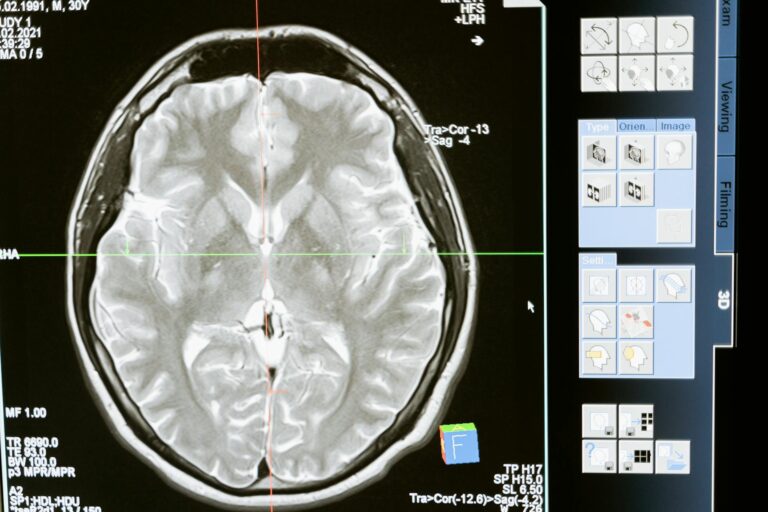
Sometimes, blood tests or brain scans are also done to rule out other causes of memory problems, like vitamin deficiencies or thyroid issues. These tests can help make sure that any changes in thinking or memory are not due to something that can be treated easily.
Regular checkups also give doctors a chance to notice small changes over time. If something seems off, they can recommend further testing or refer the person to a specialist. Early detection is important because it allows for timely support and treatment, which can make a big difference in managing conditions like dementia or Alzheimer’s disease.
It’s not just about memory. Doctors also look at mood, behavior, and how well someone can handle everyday tasks. Changes in these areas can sometimes be early signs of cognitive issues. Routine psychiatric evaluations can help catch problems like depression or anxiety, which can sometimes look like or worsen memory problems.
New tools and technologies are making it easier to spot cognitive changes early. Some tests can now be done quickly and even at home, using simple tasks or digital devices. These advances mean that more people can get checked without needing to spend a lot of time or go through complicated procedures.
Having regular checkups doesn’t guarantee that every problem will be caught, but it does increase the chances of finding issues early. This can lead to better care and support, helping people stay independent and healthy for longer.
Sources
https://lonestarneurology.net/others/memory-loss-vs-normal-aging-when-to-get-a-cognitive-evaluation/
https://www.thesupportivecare.com/blog/why-regular-psychiatric-evaluations-are-essential-in-memory-care
https://pmc.ncbi.nlm.nih.gov/articles/PMC12617266/
https://globalalzplatform.org/2025/10/29/politico-closing-the-gap/
https://www.frontiersin.org/journals/artificial-intelligence/articles/10.3389/frai.2025.1689182/full
https://jamanetwork.com/journals/jamanetworkopen/fullarticle/2841183
https://www.youtube.com/shorts/Y9TuECLhrWk