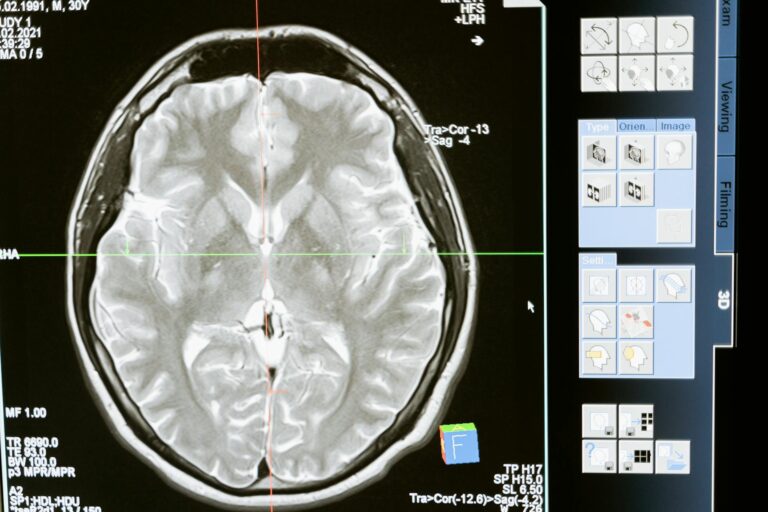
Cutting out processed foods from your diet can make a real difference when it comes to memory. Many of the foods we eat every day, especially those that come in boxes or bags and are filled with chemicals and additives, are not doing our brains any favors. Studies show that eating a lot of these foods can actually change the way our brain works, making it harder to remember things and even increasing the risk of memory problems as we get older.
Processed foods are often high in sugar, unhealthy fats, and artificial ingredients. When we eat these foods regularly, they can cause inflammation in the brain and disrupt the way brain cells communicate. This can lead to memory lapses and trouble focusing. Some research has found that even a short period of eating a diet high in processed foods can start to affect memory, sometimes in as little as four days. This happens because certain brain cells become overactive, which interferes with how memories are formed and stored.
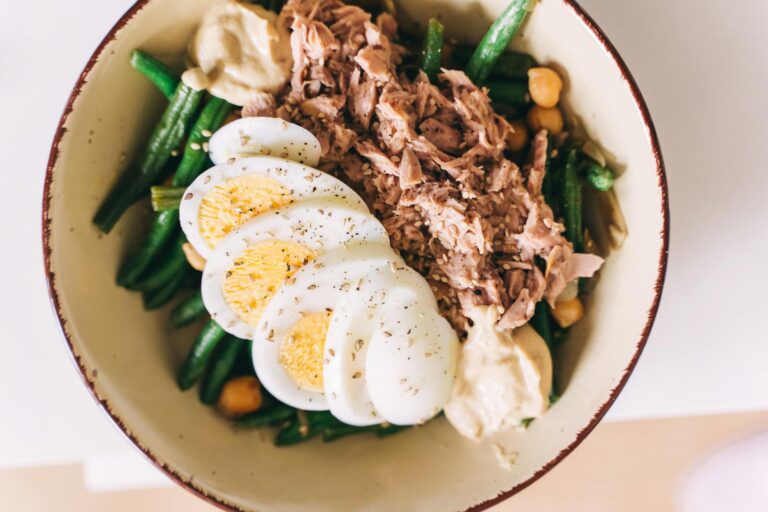
On the other hand, eating whole, unprocessed foods like fruits, vegetables, nuts, and fish can help protect the brain. These foods are rich in nutrients that support healthy brain function. For example, foods like blueberries, avocados, and fatty fish contain antioxidants and healthy fats that help keep brain cells strong and improve blood flow to the brain. Diets such as the Mediterranean and MIND diets, which focus on whole foods and limit processed items, have been linked to better memory and a lower risk of diseases like Alzheimer’s.
When people switch from a diet full of processed foods to one based on whole foods, they often notice improvements in their ability to think clearly and remember things. This is because the brain gets the nutrients it needs to work properly, and it is not being bombarded with harmful chemicals and excess sugar. Even small changes, like swapping out a bag of chips for a handful of nuts or choosing fresh fruit instead of a sugary snack, can make a positive impact over time.
Eating less processed food also means less exposure to additives and preservatives that may harm the brain. Some studies suggest that certain ingredients found in ultra-processed foods, such as emulsifiers and hydrogenated oils, can affect brain structure and function. By cutting these out, the brain has a better chance to stay healthy and work at its best.
Making the switch to a diet with fewer processed foods does not have to be difficult. Start by reading labels and choosing foods with simple, recognizable ingredients. Focus on meals made from scratch using fresh ingredients whenever possible. Over time, these choices can help keep the brain sharp and support better memory.
Sources
https://www.aislmall.com/news/junk-food-rich-diets-can-lead-to-rapid-memory-loss/
https://effectivate.com/brain-nutrition/
https://www.sciencedaily.com/releases/2025/10/251020092824.htm
https://foodmedcenter.org/how-junk-food-rewires-the-brain-to-be-depressed-and-how-exercise-can-help-undo-it/
https://www.nm.org/healthbeat/healthy-tips/nutrition/best-food-for-a-healthy-brain
https://www.clinicaladvisor.com/features/mediterranean-diet-alzheimer-disease/