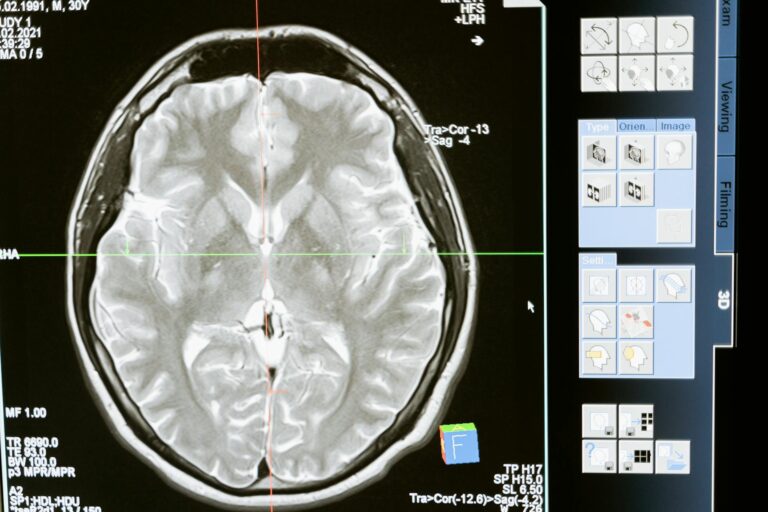
Can Supplements Make a Meaningful Difference in Brain Health
When it comes to keeping the brain sharp, many people wonder if taking supplements can really help. The answer is not always simple. Some supplements have shown promise in supporting brain health, but they are not magic pills. The best approach is usually a mix of healthy eating, regular exercise, and, in some cases, certain supplements.
One of the most studied supplements for brain health is omega-3 fatty acids. These are found in fish oil and algae, and research suggests they help maintain brain cell membranes and support memory. B vitamins, especially B6, B12, and folate, are also important. They help lower levels of a substance called homocysteine, which is linked to brain health problems. Magnesium L-threonate is another supplement that stands out because it can cross into the brain and may improve memory and learning.
Probiotics, which are good bacteria for the gut, have also gained attention. Studies show that probiotics may help improve cognitive function, especially in people with mild cognitive impairment. The effect seems to be stronger when people take higher doses for at least 12 weeks. Some specific strains, like Lactobacillus plantarum and Bifidobacterium longum, have shown neuroprotective effects.
Other supplements that may support brain health include curcumin from turmeric, lion’s mane mushroom, phosphatidylserine, and green tea extract. These have been studied for their potential to support memory, reduce inflammation, and promote nerve growth. L-theanine, found in green tea, is known for helping people feel calm without making them sleepy, and it may also support cognitive function.
Creatine is another supplement that is often associated with muscle strength, but emerging research suggests it may also help with memory and focus, especially in vegetarians and older adults. Choline, an essential nutrient found in eggs and some fish, is important for brain communication and memory. Low levels of choline have been linked to anxiety disorders, so making sure you get enough may be helpful.
While these supplements show promise, it is important to remember that most experts agree that getting nutrients from food is the best way to support brain health. Diets like the Mediterranean and MIND diets, which focus on whole grains, leafy greens, berries, nuts, fish, and olive oil, are linked to better brain function and lower risk of cognitive decline. Supplements may help, especially if someone has a deficiency, but they are not a substitute for a healthy diet.
Sources
https://pubmed.ncbi.nlm.nih.gov/41237466/
https://www.nutritionaloutlook.com/view/the-science-of-brain-maintenance
https://www.nm.org/healthbeat/healthy-tips/nutrition/best-food-for-a-healthy-brain
https://www.alzdiscovery.org/cognitive-vitality/ratings/l-theanine
https://www.uclahealth.org/news/article/why-everyones-talking-about-creatine
https://health.ucdavis.edu/welcome/news/headlines/low-choline-levels-in-the-brain-associated-with-anxiety-disorders/2025/11
https://baptisthealth.net/baptist-health-news/five-evidence-based-ways-to-boost-memory-and-improve-brain-health