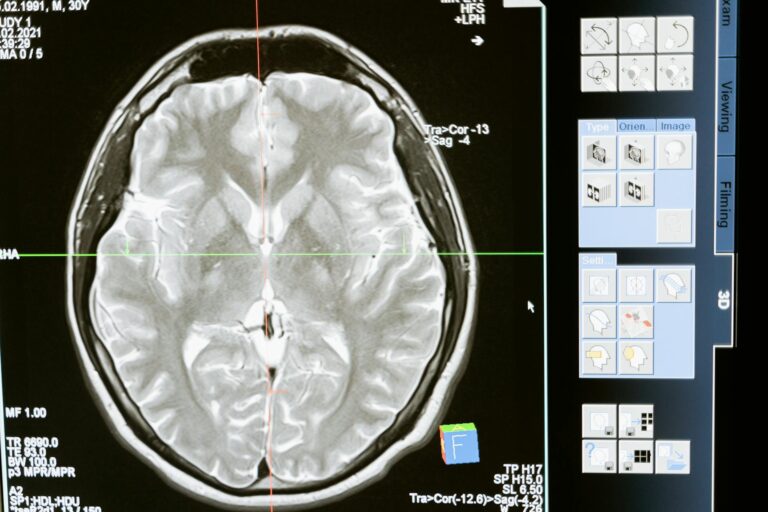
Early intervention can slow the progression of Alzheimer’s disease by targeting the condition before significant symptoms appear. Recent clinical trials have shown promising results, especially when treatments begin in the early or even pre-symptomatic stages of Alzheimer’s. For example, medications that remove amyloid plaques—protein deposits that disrupt brain cells—have been found to slow cognitive decline by about 30 percent compared to untreated individuals. Although these treatments do not stop dementia entirely, they can delay its progression, making early timing crucial for better outcomes[1].
Research is also exploring innovative approaches such as gene therapy, which aims to deliver protective proteins directly into the brain to prevent cell loss. Trials involving Brain-Derived Neurotrophic Factor (BDNF) gene therapy are underway to see if this method can slow or prevent brain cell deterioration in early Alzheimer’s and mild cognitive impairment[2]. Additionally, sensory stimulation at 40Hz using light and sound has shown potential benefits in maintaining cognition and reducing Alzheimer’s biomarkers over long periods, suggesting non-drug therapies might also play a role in early intervention[3].
Technological advances are improving early detection of Alzheimer’s symptoms, which is vital for timely intervention. New tools combining hardware, software, and data analytics help identify behavioral changes and brain markers before full clinical symptoms develop. This precision medicine approach aims to tailor treatments to individuals at high risk, potentially improving the effectiveness of early therapies[4].
Cognitive stimulation therapies have also demonstrated benefits in improving memory and executive function in people with mild symptoms, supporting the idea that engaging the brain early can help slow decline[5][6]. Overall, the evidence suggests that starting treatment and supportive therapies early—before significant brain damage occurs—offers the best chance to slow Alzheimer’s progression.
Sources
https://www.cbsnews.com/news/promising-clinical-trials-in-alzheimers-prevention/
https://clinicaltrials.ucsd.edu/alzheimers-disease
https://news.mit.edu/2025/study-suggests-40hz-sensory-stimulation-may-benefit-some-alzheimers-patients-1114
https://pubmed.ncbi.nlm.nih.gov/41177895/
https://pmc.ncbi.nlm.nih.gov/articles/PMC12554431/
https://www.nature.com/articles/s41540-025-00596-w