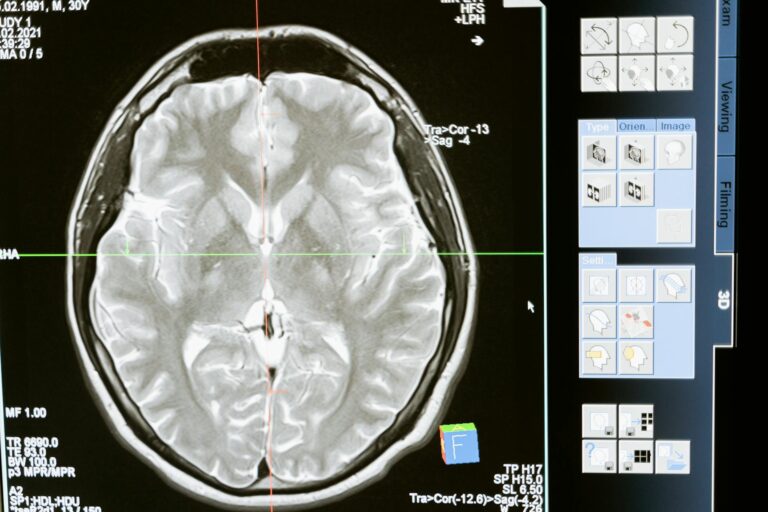
Strength Training and Brain Health: What Science Shows
Your brain changes as you get older. Most people know this. What many don’t realize is that the way you exercise can directly influence how well your brain functions in your later years. While cardio gets most of the attention, strength training offers unique benefits for cognitive health that deserve serious consideration.
The connection between physical activity and brain function runs deeper than most people think. When you exercise regularly, your brain doesn’t just benefit from improved blood flow. Your brain actually changes at a structural level. Research has shown that people who maintain active lifestyles throughout their lives preserve the quality of their white matter, the tissue in the brain responsible for communication between different brain regions. This preservation is linked to better motor control and coordination as you age.
Strength training specifically has emerged as a powerful tool for protecting cognitive function. Unlike low-intensity activities such as walking, which reduce dementia risk, resistance training offers additional advantages. Studies have demonstrated that resistance training and combination training approaches both show positive effects on cognitive function. This means that lifting weights or doing bodyweight exercises isn’t just about building muscle. It’s about building a healthier brain.
The mechanisms behind these benefits involve multiple pathways in your body. When you do strength training, your body undergoes adaptive changes that extend to your brain. These changes include improved vascular perfusion, which means better blood flow to brain tissue. Enhanced blood flow delivers more oxygen and nutrients to your brain cells. Additionally, strength training influences metabolic processes that are essential for keeping your neurons functioning properly.
One of the most compelling findings involves the hippocampus, the brain region critical for memory formation. Research on healthy adults aged 60 to 77 years showed that just three months of aerobic exercise resulted in increased hippocampal volume. While this study focused on aerobic exercise, the broader research on resistance training suggests similar benefits occur through different mechanisms. The structural changes in your brain translate to real improvements in how you perform on cognitive tasks.
The risk of developing Alzheimer’s disease and other forms of dementia decreases significantly with higher levels of physical activity. A longitudinal study tracking 716 elderly individuals without dementia over four years found that those with higher physical activity levels had substantially reduced risk of developing Alzheimer’s disease. This isn’t a small effect. This is a major protective factor that rivals many pharmaceutical interventions.
Animal studies have provided additional insights into how strength training protects the brain. When mice engaged in treadmill training for five weeks, researchers observed something remarkable. The training prevented the age-related decrease in neural stem cells and actually stimulated the creation of new neurons. While mice aren’t humans, these findings suggest that resistance exercise may trigger similar regenerative processes in the human brain.
The beauty of strength training for brain health is that it works through multiple channels simultaneously. You’re not just getting one benefit. You’re getting structural changes in white matter, increased blood flow to critical brain regions, metabolic improvements that support neuronal function, and potentially even the generation of new brain cells. These combined effects create a powerful defense against cognitive decline.
What makes strength training particularly valuable is that it remains effective even when cognitive decline has already begun. Studies have shown benefits in both independent older individuals and those who already experience some cognitive decline. This means it’s never too late to start. Even if you’ve noticed some memory problems or slower thinking, beginning a strength training program can still provide protective benefits.
The practical implication is straightforward. If you want to maintain sharp thinking and strong memory as you age, strength training deserves a central place in your exercise routine. This doesn’t mean you need to become a bodybuilder. Moderate resistance training, whether through weights, resistance bands, or bodyweight exercises, provides the cognitive benefits. Consistency matters more than intensity. Regular strength training over months and years creates the structural and functional brain changes that protect against cognitive decline.
Your brain is not fixed. It responds to what you do with your body. Strength training sends signals to your brain that trigger adaptation and protection. These adaptations accumulate over time, building cognitive reserve that helps you maintain mental sharpness throughout your later years.
Sources
https://pmc.ncbi.nlm.nih.gov/articles/PMC12617994/