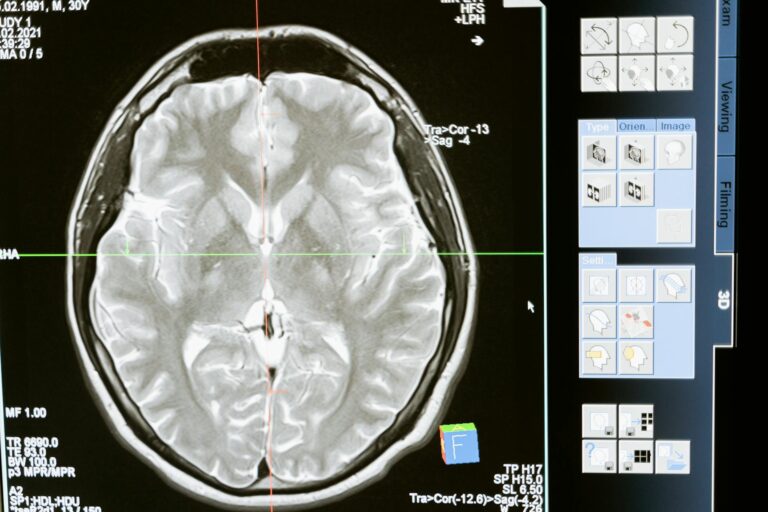
Simple drawing can improve cognitive expression by encouraging creative thinking, enhancing memory, and supporting emotional communication. When people draw, they engage in close observation and deliberate decision-making, which strengthens critical thinking skills. This process helps the brain form new connections between ideas, making it easier to express thoughts and feelings clearly.
Research shows that creativity, including drawing, supports learning by helping individuals make novel mental associations. For example, students who create more inventive connections through drawing tend to remember information better over time. This suggests that drawing is not just a way to create images but also a tool to improve how the brain organizes and recalls knowledge.
Drawing also plays a role in emotional expression, especially for people who find it difficult to communicate verbally. Studies involving autistic students found that drawing-based therapies improved their ability to express emotions, enhanced social behavior, and boosted self-concept. These benefits come from the multisensory experience of drawing, which integrates bodily movement and cultural symbols, allowing for more flexible and intuitive emotional communication.
Beyond cognitive and emotional benefits, simple drawing can reduce stress and promote mental well-being. The act of drawing calms the mind, helps release emotions, and can improve mood. This calming effect supports clearer thinking and better expression of ideas.
In summary, simple drawing is a powerful activity that enhances cognitive expression by fostering creativity, improving memory, aiding emotional communication, and supporting mental health.
Sources
https://smart.dhgate.com/why-draw-exploring-the-benefits-and-motivations-behind-art/
https://www.psypost.org/new-study-finds-creativity-supports-learning-through-novel-mental-connections/
https://pmc.ncbi.nlm.nih.gov/articles/PMC12588921/
https://www.midcitiespsychiatry.com/blog/mental-health-drawings/