Babies who are deprived of oxygen around the time of birth can develop cerebral palsy later, especially if the oxygen deprivation is severe or prolonged. This condition, often linked to birth asphyxia or hypoxic-ischemic encephalopathy (HIE), causes brain damage that affects motor control and muscle coordination, hallmark features of cerebral palsy[1][2].
**Understanding Oxygen Deprivation and Its Effects**
Oxygen deprivation at birth, medically termed birth asphyxia, occurs when a baby’s brain does not receive enough oxygen before, during, or immediately after delivery. This can happen due to various reasons such as umbilical cord problems (knots, compression), placental insufficiency, prolonged labor, or complications like preeclampsia and placental abruption[1][2][3]. The lack of oxygen causes brain cells to die or become damaged, leading to neurological impairments.
The severity and duration of oxygen deprivation are critical factors. Mild deprivation (1-2 minutes without oxygen) may cause subtle or no immediate symptoms, but moderate to severe deprivation can result in significant brain injury. Symptoms at birth may include abnormal muscle tone, poor reflexes, seizures, breathing difficulties, and low APGAR scores (a quick test assessing newborn health)[1][2][4].
**Hypoxic-Ischemic Encephalopathy (HIE) and Cerebral Palsy**
HIE is the most common form of brain injury caused by oxygen deprivation at birth. It affects approximately 2.4 per 1000 births in the United States[1]. HIE is characterized by restricted blood flow and oxygen to the brain, leading to cell death. About 40% of children diagnosed with HIE later develop cerebral palsy, making HIE the leading risk factor for cerebral palsy[1][3].
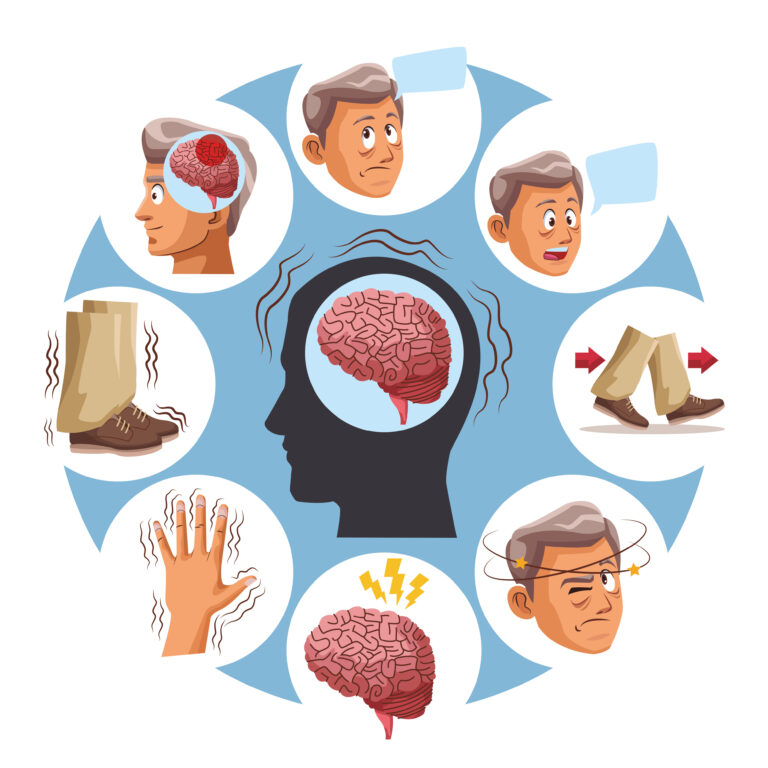
Cerebral palsy is a group of permanent movement disorders caused by damage to the developing brain. The brain injury from oxygen deprivation disrupts the brain’s ability to control muscles and movement, resulting in symptoms such as spasticity (stiff muscles), poor coordination, and difficulty walking[1][3].
**Symptoms and Diagnosis**
The symptoms of oxygen deprivation and resulting brain injury vary by severity:
– *Mild cases* may show irritability, feeding difficulties, or subtle neurological signs[4].
– *Moderate cases* often present with reduced muscle tone, decreased reflexes, lethargy, and seizures[4].
– *Severe cases* can include minimal responsiveness, inability to breathe independently, very low muscle tone, and clinical seizures[4].
Diagnosis involves clinical assessment including APGAR scores at 1 and 5 minutes after birth, neurological exams, and sometimes brain imaging. An APGAR score below 7 at 5 minutes is a key indicator of birth asphyxia[2].
**Treatment and Prevention**
Immediate and effective medical intervention is crucial to reduce brain damage. Neonatal resuscitation protocols aim to restore breathing and circulation quickly[2]. Post-resuscitation care may include oxygen therapy, seizure control, fluid management, and therapeutic hypothermia—a treatment that cools the baby’s brain to slow damaging chemical reactions and allow repair[2][4].
Preventing oxygen deprivation involves careful monitoring during pregnancy and labor, recognizing risk factors early, and timely delivery interventions when fetal distress is detected[4]. Skilled medical care during labor and delivery is essential to minimize th