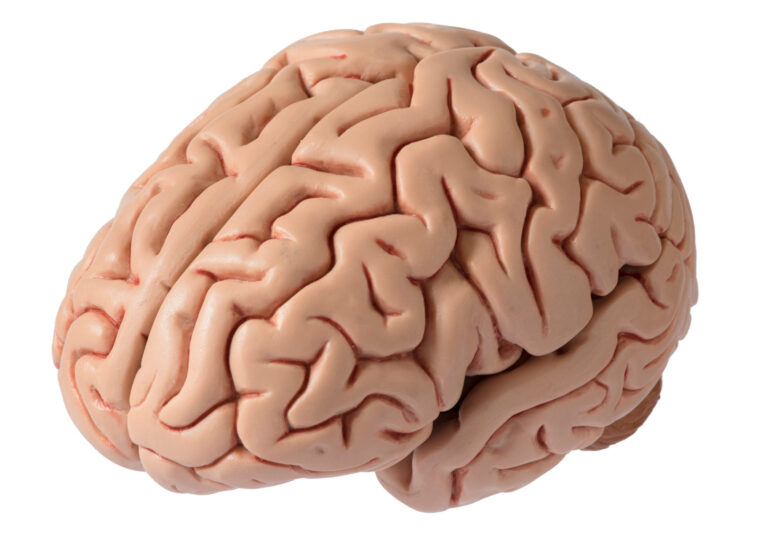
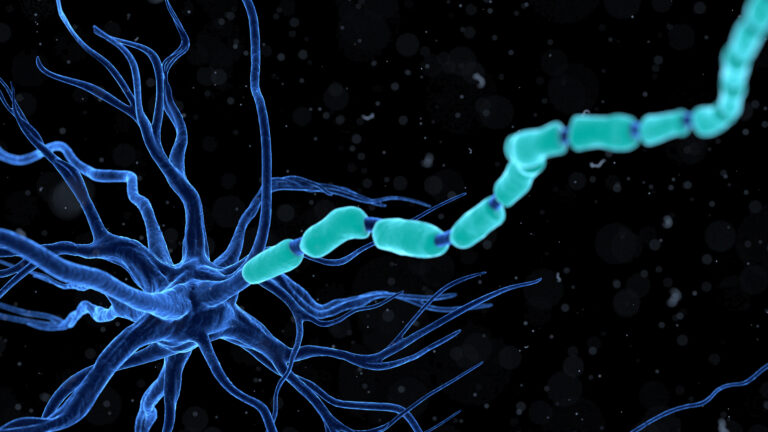
**Cerebral palsy (CP) can indeed result from delayed oxygen delivery at birth, a condition medically known as birth asphyxia or hypoxic-ischemic encephalopathy (HIE).** This occurs when the brain of a newborn does not receive enough oxygen and blood flow during labor, delivery, or immediately after birth, leading to brain cell injury or death that affects motor control and muscle coordination[1][4].
**Understanding the connection between delayed oxygen delivery and cerebral palsy requires exploring the mechanisms and risk factors involved:**
– **Birth Asphyxia and Hypoxic-Ischemic Encephalopathy (HIE):** Birth asphyxia refers to a lack of oxygen (hypoxia) and/or reduced blood flow (ischemia) to the baby’s brain during the birth process. HIE is the brain injury caused by this oxygen deprivation. It is the most common type of brain damage occurring at birth and a leading cause of cerebral palsy[1][4].
– **How Oxygen Deprivation Causes Brain Damage:** The brain is highly sensitive to oxygen levels. When oxygen delivery is delayed or insufficient, brain cells begin to die, especially in areas controlling movement such as the motor cortex. This damage disrupts normal brain development and function, resulting in the motor impairments characteristic of cerebral palsy[1][4].
– **Types of Oxygen-Related Brain Injuries Linked to CP:**
– *Hypoxic-Ischemic Encephalopathy (HIE):* Caused by acute or prolonged oxygen deprivation, leading to widespread brain cell death.
– *Periventricular Leukomalacia (PVL):* Damage to the white matter near the brain’s ventricles due to reduced oxygen and blood flow, often seen in premature infants, and a major risk factor for CP.
– *Intracranial Hemorrhage:* Bleeding in the brain caused by trauma or vascular injury, sometimes related to oxygen deprivation.
– *Cerebral Dysgenesis:* Abnormal brain development that can be exacerbated by oxygen deprivation or trauma around birth[4].
– **Risk Factors for Delayed Oxygen Delivery:**
– *Umbilical Cord Complications:* Knots, nuchal cords (cord wrapped around the neck), or compression can restrict oxygen flow gradually or suddenly.
– *Placental Problems:* Conditions like uteroplacental insufficiency reduce oxygenated blood reaching the fetus.
– *Premature Birth:* Babies born before 37 weeks are at higher risk of oxygen-related brain injury; those born before 28 weeks have the highest risk of CP.
– *Maternal Conditions:* Preeclampsia, infections, and gestational diabetes can impair oxygen delivery.
– *Labor and Delivery Complications:* Prolonged labor, improper use of delivery tools (forceps, vacuum), or trauma can contribute to oxygen deprivation and brain injury[1][3][4].
– **Incidence and Outcomes:**
– HIE affects about 2.4 per 1000 births in the U.S., with roughly 40% of moderate to severe cases leading to cerebral palsy.
– Premature infants account for 33% to 50% of CP cases, with over half of children with CP born prematurely.
– Symptoms of HIE at birth include abnormal muscle tone, poor reflexes, breathing difficulties, lo