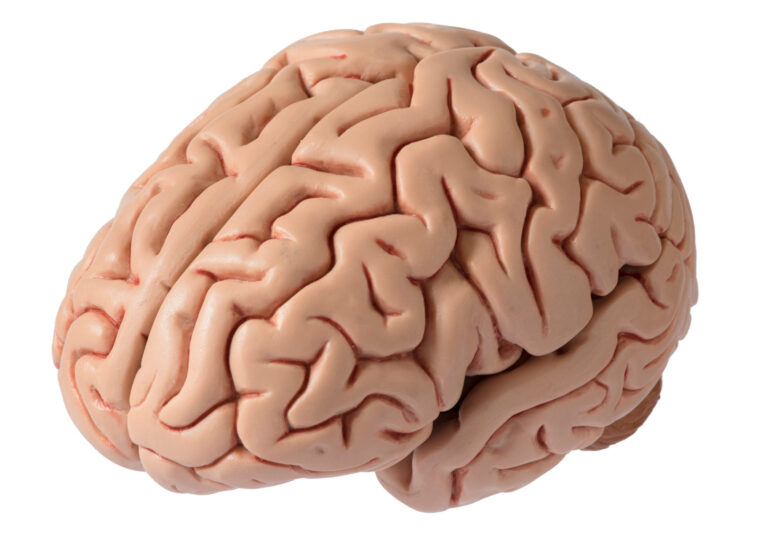
Cerebral palsy (CP) is primarily a neurological disorder caused by damage to the developing brain, often linked to oxygen deprivation (hypoxia) around the time of birth. The question of whether cerebral palsy is linked to brain oxygen loss specifically from anesthesia involves understanding the causes of brain oxygen deprivation and the role anesthesia might play in this context.
**Cerebral palsy and brain oxygen deprivation**
Cerebral palsy results from brain injury or abnormal brain development, frequently due to insufficient oxygen supply (hypoxia) or blood flow (ischemia) to the brain during fetal development, birth, or shortly after birth. One of the most common causes of CP is hypoxic-ischemic encephalopathy (HIE), a condition where the brain suffers damage because of restricted oxygenated blood flow. HIE occurs in approximately 2.4 per 1000 births in the United States and is a leading risk factor for cerebral palsy. About 40% of children diagnosed with HIE later develop cerebral palsy[1].
Oxygen deprivation can happen due to various complications such as umbilical cord problems (knots, nuchal cords), placental insufficiency, or prolonged labor. These conditions cause either acute or partial prolonged oxygen loss, leading to brain cell death and subsequent neurological impairments characteristic of CP[1].
**Anesthesia and brain oxygen loss**
Anesthesia is commonly used during surgeries, including cesarean sections or other procedures involving pregnant women or newborns. General anesthesia involves administering drugs that induce unconsciousness and suppress pain. While anesthesia itself is designed to be safe and controlled, concerns sometimes arise about its effects on brain oxygen levels.
– **Direct link between anesthesia and cerebral palsy:** There is no strong, direct evidence that anesthesia causes cerebral palsy by inducing brain oxygen loss. Anesthesia protocols are carefully managed to maintain adequate oxygenation and blood flow to the brain during surgery. Anesthesia providers monitor vital signs closely to prevent hypoxia or ischemia.
– **Indirect risks:** However, if anesthesia administration is complicated by medical errors, such as failure to maintain airway patency, inadequate ventilation, or cardiovascular instability, this could theoretically lead to brain hypoxia. Such hypoxia, if prolonged and severe, might contribute to brain injury and increase the risk of cerebral palsy. These situations are considered medical emergencies and are rare with modern anesthetic care.
– **Perinatal anesthesia and CP risk:** Most cerebral palsy cases linked to oxygen deprivation occur due to events during labor and delivery, such as fetal distress or birth asphyxia, rather than anesthesia itself. For example, failure to monitor fetal distress or delayed intervention during labor can cause prolonged oxygen deprivation leading to CP[3]. Anesthesia during cesarean delivery is generally not implicated as a cause of CP unless complications arise that cause hypoxia.
**Medical negligence and cerebral palsy**
In some cerebral palsy cases, medical negligence related to oxygen deprivation during birth is a factor. This includes failure to monitor fetal distress, delayed cesarean delivery, or improper management of oxygen supply to the baby. Such negligence can result in preventable brain damage and CP[3]. However, this is distinct from anesthesia causing brain oxygen loss directly.
**Summary of authoritative medical understanding**
– Cerebral palsy is caused by brain injury due to oxygen deprivation or other insults during brain development, most commonly around birth[1][5].