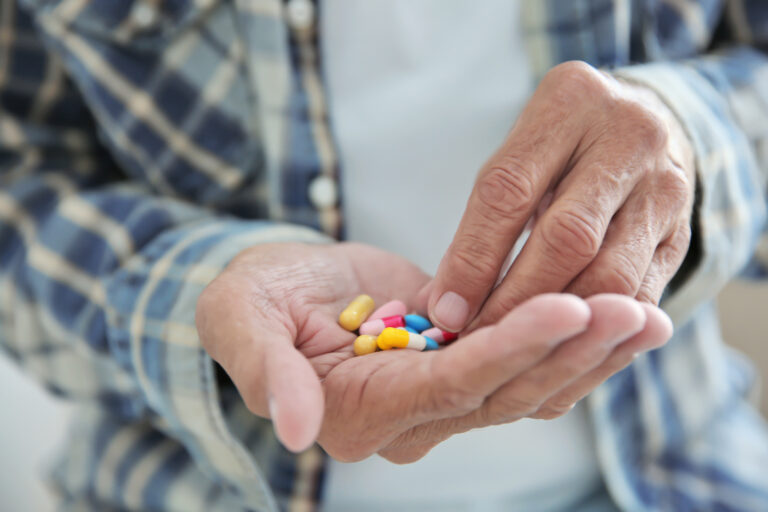
The question of whether women who drink socially during pregnancy underreport autism outcomes in their children involves complex intersections of maternal behavior, prenatal exposure, neurodevelopmental diagnosis, and social factors influencing reporting accuracy. To address this thoroughly, it is essential to explore the medical understanding of alcohol use during pregnancy, its documented effects on fetal development, the diagnostic challenges of autism spectrum disorder (ASD), and the social dynamics that may influence reporting.
**Alcohol Consumption During Pregnancy and Neurodevelopmental Outcomes**
It is well-established in medical literature that alcohol consumption during pregnancy is unsafe and can lead to fetal alcohol spectrum disorder (FASD), a condition characterized by a range of physical, cognitive, and behavioral impairments caused by prenatal alcohol exposure[2]. FASD is distinct from autism spectrum disorder but can share overlapping neurodevelopmental features such as difficulties in social interaction and cognitive challenges. The severity of FASD symptoms correlates with the amount and frequency of alcohol consumed by the mother during pregnancy[1].
Importantly, while heavy or chronic alcohol use during pregnancy is clearly linked to FASD, the effects of *social* or low-level drinking are less definitively understood. Some research suggests that even moderate drinking can affect fetal brain development, but the threshold for safe consumption is not established, and the safest recommendation remains complete abstinence during pregnancy[2].
**Autism Spectrum Disorder and Prenatal Alcohol Exposure**
Autism spectrum disorder is a neurodevelopmental condition characterized by challenges in communication, social interaction, and repetitive behaviors. Its causes are multifactorial, involving genetic and environmental factors[3][5]. Regarding prenatal alcohol exposure specifically, authoritative sources indicate that alcohol consumption during pregnancy is *probably not* a direct cause of autism[3]. This distinction is critical because while FASD and autism can share some behavioral symptoms, they are diagnostically and etiologically different.
The current consensus, as reflected in recent reviews and guidelines, is that prenatal alcohol exposure leads to FASD but does not have a confirmed causal link to autism[3]. This is supported by the World Health Organization and other international health authorities, which emphasize that alcohol is harmful to fetal neurodevelopment but do not list it as a cause of autism[3].
**Underreporting and Diagnostic Challenges**
Underreporting of autism outcomes by mothers who drank socially during pregnancy could arise from several factors:
1. **Stigma and Social Desirability Bias:** Mothers may underreport alcohol consumption during pregnancy due to social stigma and fear of judgment or blame. This underreporting can extend to developmental outcomes if they fear that admitting to a diagnosis like autism might be linked to their drinking behavior.
2. **Diagnostic Overlap and Misclassification:** Children exposed to alcohol prenatally may present with neurodevelopmental impairments that resemble autism but are instead manifestations of FASD or other conditions. This can complicate diagnosis and reporting, potentially leading to underrecognition or misclassification of autism[2].
3. **Access to Diagnosis and Awareness:** Autism diagnosis requires comprehensive psychological assessment, often not completed until around age eight unless clear physical markers are present[2]. Families with social or economic barriers may have less access to diagnostic services, contributing to underreporting.
4. **Research and Clinical Definitions:** The requirement to prove prenatal alcohol exposure to confirm an FASD diagnosis can exclude children with neurodevelopmental impairments but no confirmed exposure, complicating the clinical picture and potentially affecting reporting patterns[2].
**Role o